Beyond the construction of toilets: The missing innovation layer in India’s sanitation sector
 by Rasika Chopra, Diganta Nayak and Sanika Sayali Talekar
 Aug 12, 2026
 6 min
6 min


This blog explores how India can move beyond building sanitation infrastructure toward sustained service delivery. It focuses on innovation in monitoring, operations and maintenance, financing, wastewater reuse, and private-sector participation to ensure long-term, sustainable sanitation outcomes.
“Access to safe water and sanitation is not a privilege, but a fundamental human right.”
Ban Ki-moon
India has transformed access to sanitation through unprecedented investments, but can these gains be sustained over the long term? As sanitation infrastructure continues to expand, the focus must extend beyond construction to the systems that keep assets functional, efficient, and financially sustainable.
Over the past decade, India has implemented one of the world’s largest sanitation infrastructure programs. Between 2014 and 2021, the Government of India allocated a cumulative budget of INR 620 billion (USD 7.2 billion) to the Swachh Bharat Mission – Urban (SBM-U). The program supported the construction of 6.4 million individual household toilets and 637,000 community and public toilets. According to the latest data from the SBM-Urban portal, 4,692 of India’s 6,166 urban local bodies (ULBs) have achieved the Open Defecation Free (ODF) status.
The Atal Mission for Rejuvenation and Urban Transformation (AMRUT) and AMRUT 2.0 have complemented these efforts by strengthening urban water and sewerage infrastructure. Together, these programs have approved 583 sewerage projects and enabled nearly 15 million household sewer connections, including 6.5 million under AMRUT 2.0. Collectively, SBM-U and AMRUT represent India’s largest public investment in urban water and sanitation. India’s sanitation programs have delivered impressive infrastructure outputs. They have exceeded construction targets and expanded ODF coverage. The next challenge is to ensure that this infrastructure consistently delivers better health, higher productivity, and stronger economic returns. The World Health Organization (WHO) estimates that every dollar invested in sanitation generates USD 5.5 in economic returns through better health, higher productivity, and lower mortality.
Despite exceeding the sanitation infrastructure targets, inadequate sanitation continues to cost India an estimated 6.4% of its gross domestic product (GDP) each year. This gap highlights that India now needs enabling conditions for private sector innovation rather than additional public investment alone.
India has demonstrated its ability to build sanitation infrastructure at scale. The next phase requires these investments to deliver safe, reliable, and sustainable sanitation services over the long term.
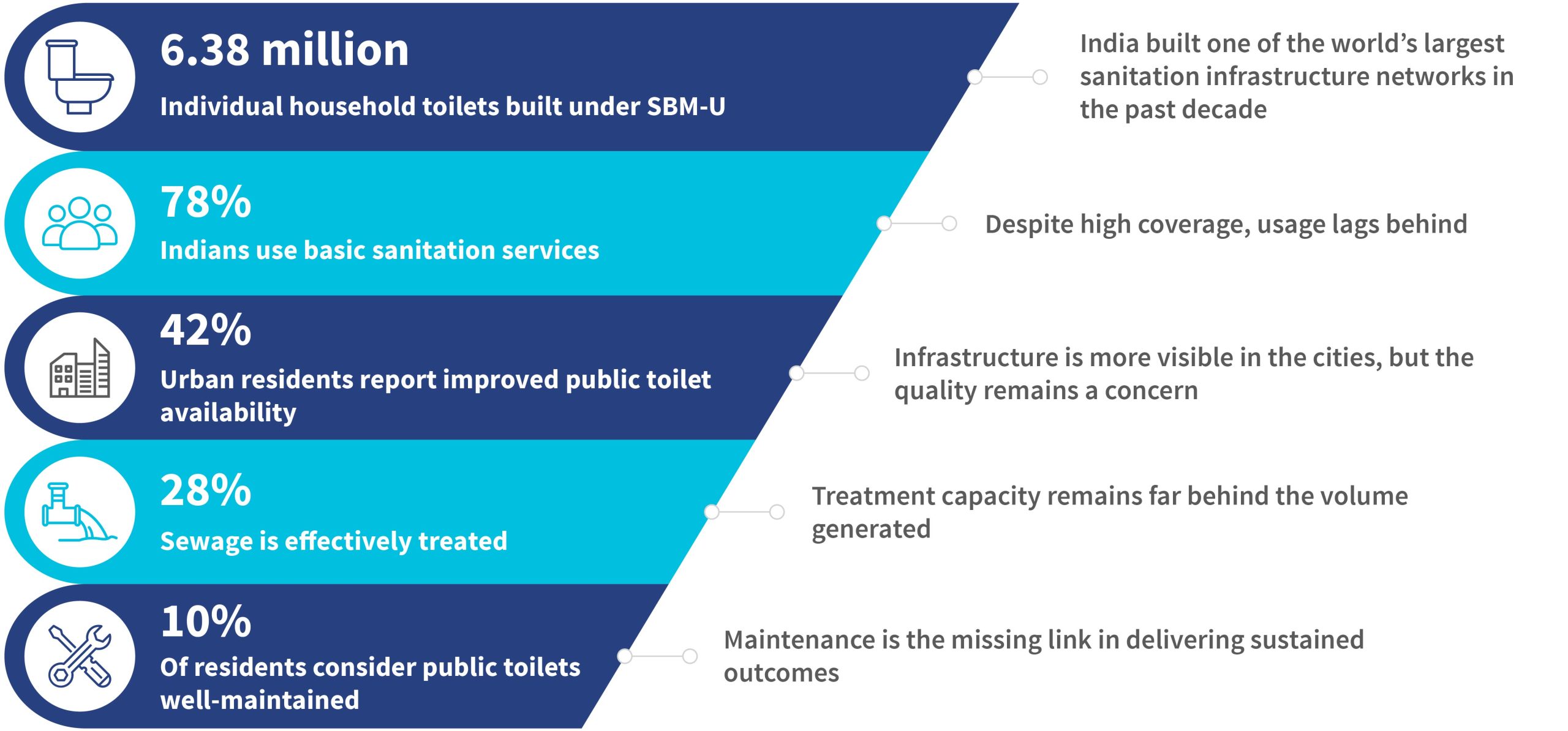
Figure 1: From sanitation infrastructure creation to sustained service delivery
Figure 1 shows that India’s next sanitation opportunity lies in unlocking greater value from existing infrastructure. Three interconnected priorities can accelerate this transition: stronger monitoring and information systems, modernized operations and maintenance (O&M), and sustainable financing models. Together, they can help sanitation assets deliver reliable services, healthier communities, and stronger economic outcomes throughout their lifecycle.
This transition also creates a significant opportunity for the private sector. The shift from asset construction to performance optimization can create new markets for technology, service delivery, resource recovery, and innovative finance. Demand for wastewater treatment, water reuse, and circular resource recovery will continue to grow. These markets can generate recurring revenue streams while improving sanitation outcomes. For example, the volume of treated wastewater available for reuse is projected to triple between 2021 and 2050. If India had effectively reused the 2021 wastewater volumes, it alone could have generated an estimated USD 11.1 billion in agricultural value. This estimate demonstrates the commercial potential of improved sanitation services.
Enhancing monitoring to build a data-driven sanitation services market
India has developed robust systems to track sanitation infrastructure, expenditure, and mission-level outputs. The next opportunity is to extend these systems beyond construction to monitor asset performance throughout its lifecycle. Operational data remains fragmented across water supply, sanitation, and municipal systems, limiting cities’ ability to identify deteriorating assets, prioritize maintenance, and link financing to measurable service outcomes. As a result, many ULBs respond only after assets fail or service quality declines, increasing costs and reducing the infrastructure’s service life.
Digital monitoring systems can address this gap by shifting sanitation management from reactive to preventive, performance-based service delivery. Technologies such as IoT sensors, GPS tracking, Geographic Information System (GIS) platforms, digital asset management systems, satellite imagery, and AI analytics provide real-time visibility into asset condition, service delivery, and maintenance needs. These technologies enable municipalities to plan interventions before failures occur.
Telangana’s Pattana Pragathi Toilet Monitoring System (PPTMS) demonstrates how structured and parameter-based monitoring can deliver asset-level visibility within existing institutional frameworks. Such models create an opportunity for private-sectorn innovation in monitoring tools, analytics platforms, and data services that municipalities can procure.
Modernizing O&M from reactive repairs to preventive service delivery
India’s investment in sanitation infrastructure has not always translated into equivalent investment in maintenance across the full asset lifecycle. These assets require regular maintenance, timely repairs, skilled personnel, mechanized operations, and eventual replacement. Construction budgets do not typically cover these costs. Programs such as AMRUT 2.0 include provisions for O&M. However, this funding remains a small fraction of capital expenditure. ULBs often reduce it first when budgets come under pressure.
As a result, many ULBs lack the technical capacity, asset management systems, and operational resources needed to maintain infrastructure effectively. This gap results in declining asset performance over time. It also creates opportunities for private sector innovation through mechanized services, digital asset management, predictive maintenance, and performance-based service delivery models. These solutions can improve efficiency, extend the life of the infrastructure, and reduce the operational burden on ULBs.
Genrobotics pioneered robotic manhole and sewer cleaning with its Bandicoot system, eliminating the need for human entry into sewers. Deployed across more than 100 Indian cities, it shows how technology procured as a service can embed preventive maintenance into routine municipal operations while removing a major occupational hazard.
Financing sanitation services beyond capital expenditure
India’s sanitation sector presents a growing opportunity for innovative financing and circular economy business models. Public programs have successfully mobilized capital for sanitation infrastructure. However, financing for operations, preventive maintenance, repairs, and asset replacement remains constrained and unpredictable. This imbalance directs capital expenditure toward the construction of sanitation assets.
Addressing this gap requires financing models that link resources to asset performance and service outcomes. These models include predictable operational budgets, performance-based contracts, blended finance, and stronger municipal revenue models. Resources across the sanitation value chain, such as treated wastewater, fecal sludge, nutrients, and biogas, can generate economic value, offset operating costs, and improve financial sustainability.
Beyond municipal systems, private capital is also beginning to reach household-level WASH access. Water.org’s WaterCredit model illustrates this potential. Water.org channels private capital through microfinance institutions rather than lending directly, which extends small loans to households for water connections and toilets. Across multiple countries, this model has disbursed 20.4 million loans worth USD 8.2 billion, demonstrating that private financial institutions can profitably serve the WASH market at scale.
Creating an enabling ecosystem for innovation
An enabling ecosystem underpins all three priorities. Policies, regulations, standards, institutional arrangements, and procurement mechanisms can embed proven solutions within mainstream sanitation systems. Clear frameworks for treatment, reuse, and resource recovery across the sanitation value chain are particularly important for circular sanitation models to achieve scale.
Private-sector innovation is growing, with startups developing solutions for greywater treatment, sensor-based monitoring, and fecal sludge management. However, procurement, regulatory, and financing constraints continue to limit scale. Impact investors, such as WaterEquity, Incofin, and Navaka Social Business Fund, formerly Yunus Social Business, have begun to address this financing gap in India. For example, discussions around a digital public infrastructure (DPI) for water seek to create open and interoperable data layers for the water sector. These shared data layers could lower barriers to private-sector entry because individual companies would no longer need to build them independently.
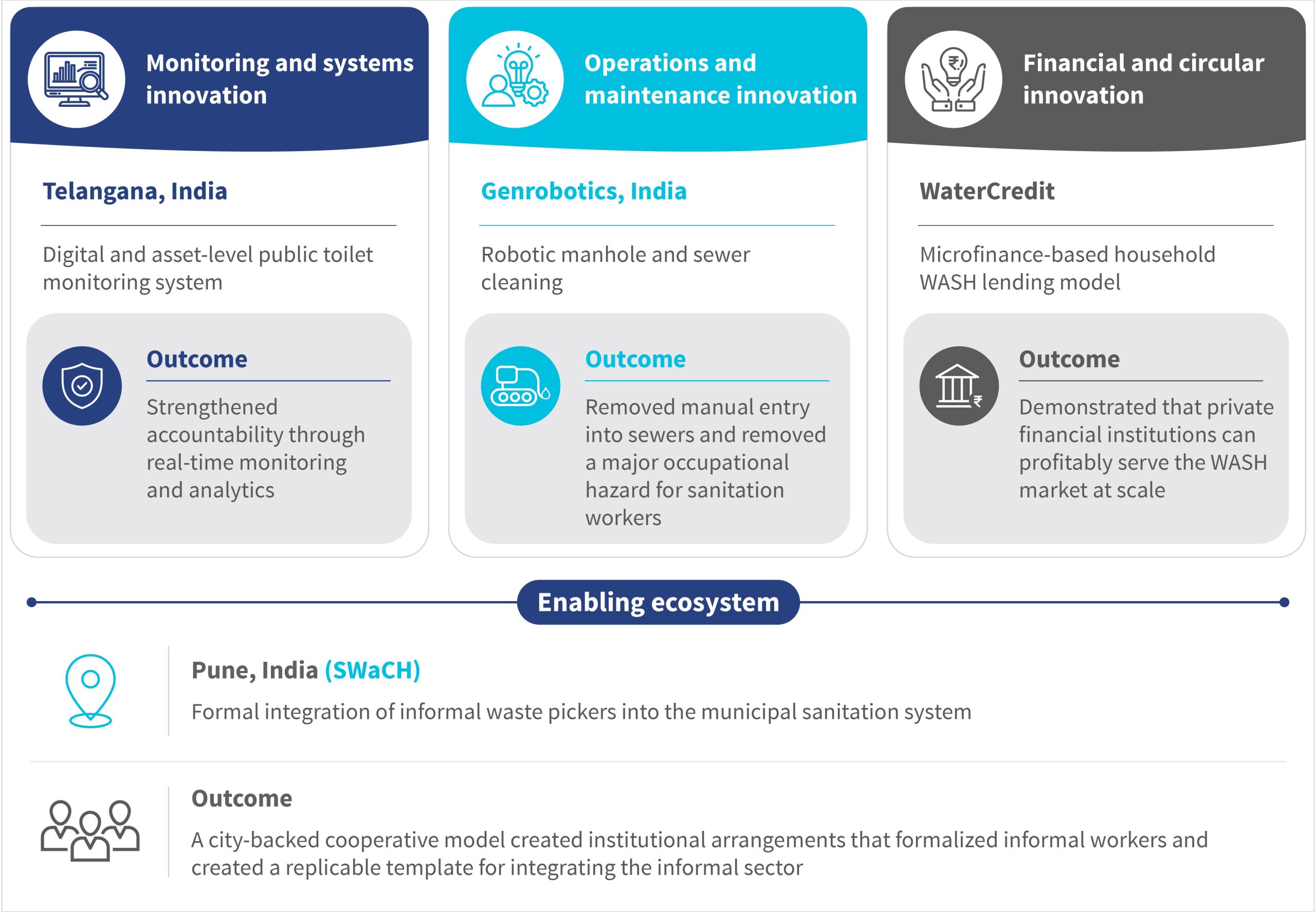
Figure 2: Innovation case studies and service outcomes
Shifting from infrastructure delivery to sustained service delivery
India has demonstrated an extraordinary capacity to build sanitation infrastructure at scale; the next phase requires delivering safe, reliable, and financially sustainable sanitation services.
The country has built the foundation. Unlocking its full returns depends less on additional public investment and more on conditions that enable private-sector innovation to flourish across monitoring technologies, O&M services, circular economy models, and financing. This innovation layer remains the missing piece in India’s sanitation sector.
The opportunity now is to embed innovation across every stage of the sanitation value chain, from monitoring and maintenance to financing and resource recovery. This shift will help ensure that India’s sanitation infrastructure continues to deliver value long after construction ends.
Written by




Leave comments