
MSC manages long-term, complex, multi-country projects through a structured and adaptive approach. Our dedicated experts oversee strategic planning, resource allocation, and stakeholder coordination, drawing on international expertise and strong local knowledge from our regional offices in Asia and Africa to ensure cultural relevance and effective on-ground execution.
A key part of our approach is to understand donor requirements and build projects accordingly. Donors are actively included in project design and strategic advisory processes to ensure alignment with their goals and priorities. In some cases, we form advisory committees with global experts who provide valuable guidance to MSC project teams.
MSC also sets up a dedicated program management unit (PMU) or team for large-scale, long-term projects. This unit oversees overall project execution. We also onboard implementation partners, such as financial institutions, NGOs, and other local organizations, who execute field activities while MSC focuses on strategic oversight and management. These projects also incorporate robust Monitoring, Learning, and Evaluation (MLE) frameworks. MLE enables continuous assessment of project outcomes, supports evidence-based decision-making, and ensures that strategies can be adapted to maximize impact.
Our project design emphasizes flexibility, with regular feedback loops and agile adjustments based on changing conditions. We work closely with a network of partners, which include governments, NGOs, development agencies, and financial service providers. Large projects also feature the development of learning agendas and knowledge sharing and help others benefit from project insights.
Knowledge management is central to our approach. We produce toolkits, case studies, and host learning events to share the best practices and lessons learned across regions. Monitoring and evaluation are embedded from the outset, utilizing both qualitative and quantitative methods to track outcomes and adapt strategies throughout the project lifecycle.

FAQs
Development program management involves the strategic planning, coordination, implementation, and oversight of complex development programs to achieve defined outcomes. MSC manages long-term, complex, and multi-country programs through a structured and adaptive approach. Our experts oversee strategic planning, resource allocation, stakeholder coordination, implementation, monitoring, and learning. We combine international expertise with strong local knowledge through our regional teams in Asia and Africa.
A Program Management Unit (PMU) provides a dedicated structure to coordinate and manage complex programs with multiple stakeholders, activities, and workstreams. MSC supports PMUs through program management, strategic planning, stakeholder coordination, evidence generation, monitoring, and the design and implementation of program initiatives.
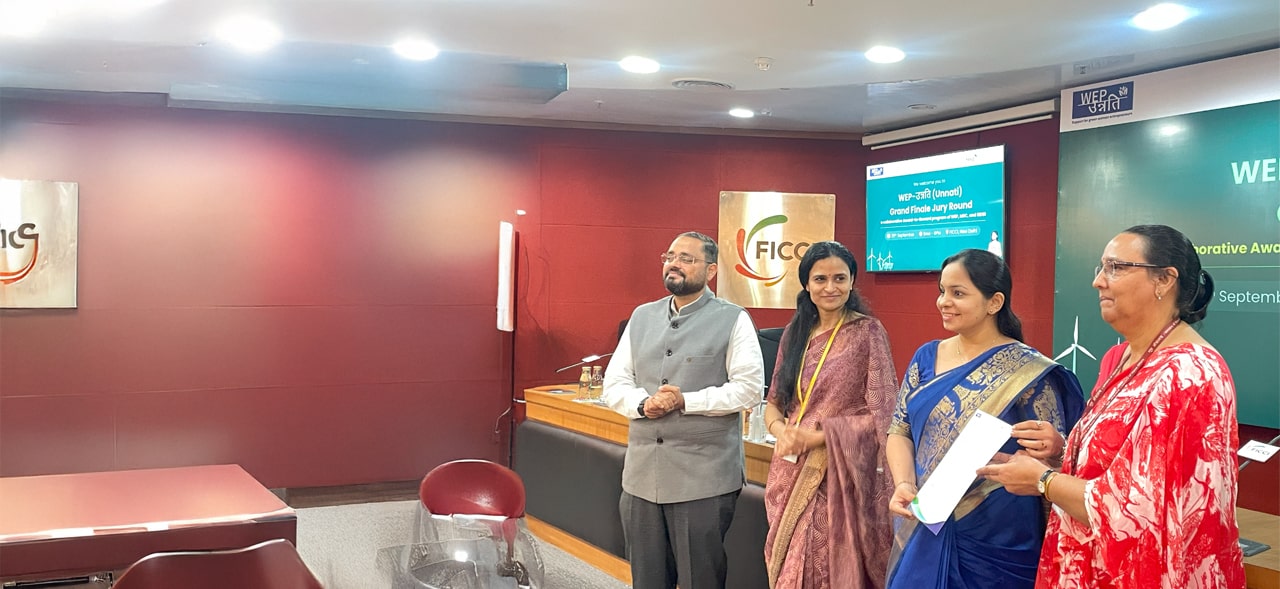
For example, MSC serves as the PMU for India’s Women Entrepreneurship Platform (WEP), where it oversees overall program management, stakeholder coordination, evidence generation, and the design of flagship initiatives.
MSC designs monitoring, evaluation, and learning (MEL) frameworks to track program performance, generate evidence, and support learning and decision-making. Our work includes theories of change, logic models, performance measurement frameworks, data collection and analysis, learning processes, and rigorous evaluations.
We also develop data and monitoring systems, including dashboards and analytics platforms, that help program teams track performance and use evidence to inform program decisions and adaptation.
MSC builds stakeholder coordination into program design and implementation. We work to understand donor requirements and actively involve donors in project design and strategic advisory processes to align programs with their goals and priorities. Where relevant, we also establish advisory committees with global experts to guide project teams.
During implementation, we work with local partners and other stakeholders and draw on the knowledge and networks of our regional teams to support effective on-the-ground execution.
Adaptive program management uses evidence, learning, and feedback during implementation to respond to changing needs and circumstances. We combine structured program management with an adaptive approach through monitoring, evidence, stakeholder input, and learning to inform program decisions.
This approach keeps programs aligned with their strategic objectives and enables them to respond to changing implementation contexts and emerging evidence.
MSC integrates learning and knowledge sharing into its program management and monitoring approaches. We develop knowledge products, facilitate learning processes, and organize workshops, peer-learning events, and other knowledge exchanges. These activities help stakeholders use evidence and share implementation lessons.
We also draw on its broader knowledge base and cross-market experience to connect program-level learning with insights from other sectors, geographies, and development initiatives.
MSC has worked in more than 70 countries and has teams and regional presence across Asia and Africa. Our program management experience includes complex, multi-country initiatives across financial inclusion, enterprise and livelihoods, women’s economic empowerment, agriculture, digital transformation, and government programs.
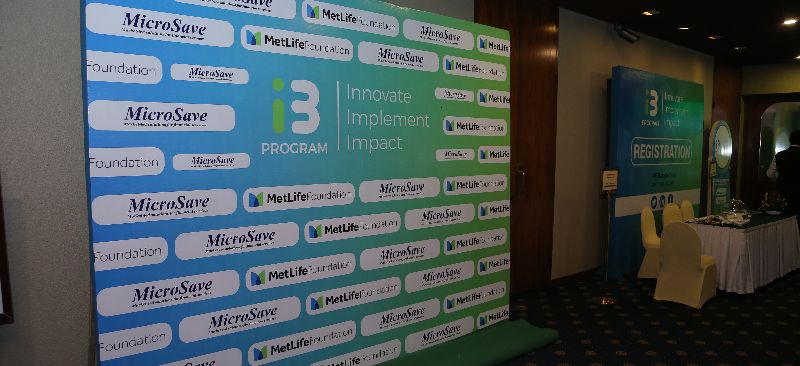
Examples include the Innovate, Implement, Impact (i3) Program in Bangladesh and Vietnam, and our role as the PMU for India’s WEP.