Beyond traditional digitisation: How ready are Nigerian States for modern tax administration?
 by David Nabena, Karminder Malhotra, Diganta Nayak and Vikram Sharma
- Oct 27, 2026
- 8 min
 by
 Oct 27, 2026
 8 min


Nigeria’s Intelligent Revenue Authority Readiness Assessment finds uneven digital maturity across 36 states and the Federal Capital Territory. Despite advances in taxpayer onboarding and payments, revenue administration remains constrained by fragmented records, weak interoperability, limited automation, security gaps, and insufficient institutional capacity.
Nigeria’s tax system plays an increasingly vital role in funding essential public services and supporting the government’s development priorities. Over the past decade, the share of the country’s mineral revenues in total revenues declined from 50% in 2015 to 30% in 2025. Across the country, there is growing recognition of opportunities to build capacity for digital domestic resource mobilisation (DDRM) while addressing challenges such as a narrow tax base, dependence on oil revenue, revenue leakages, and fragmented administration.
This momentum is creating an important opening to strengthen digital revenue administration to support sustainable economic growth. Governments are expanding the use of Digital Public Infrastructure (DPI), i.e., digital identity, payment, and data-sharing systems, to improve revenue performance, taxpayer support, and service delivery. At the sub-national level, the diversification of revenue sources and the opportunity to make digital tax administration more efficient, inclusive, and responsive have never been more promising. Domestic revenue has grown threefold since 2018, and the share of non-tax revenues has, for the first time, exceeded 37%.
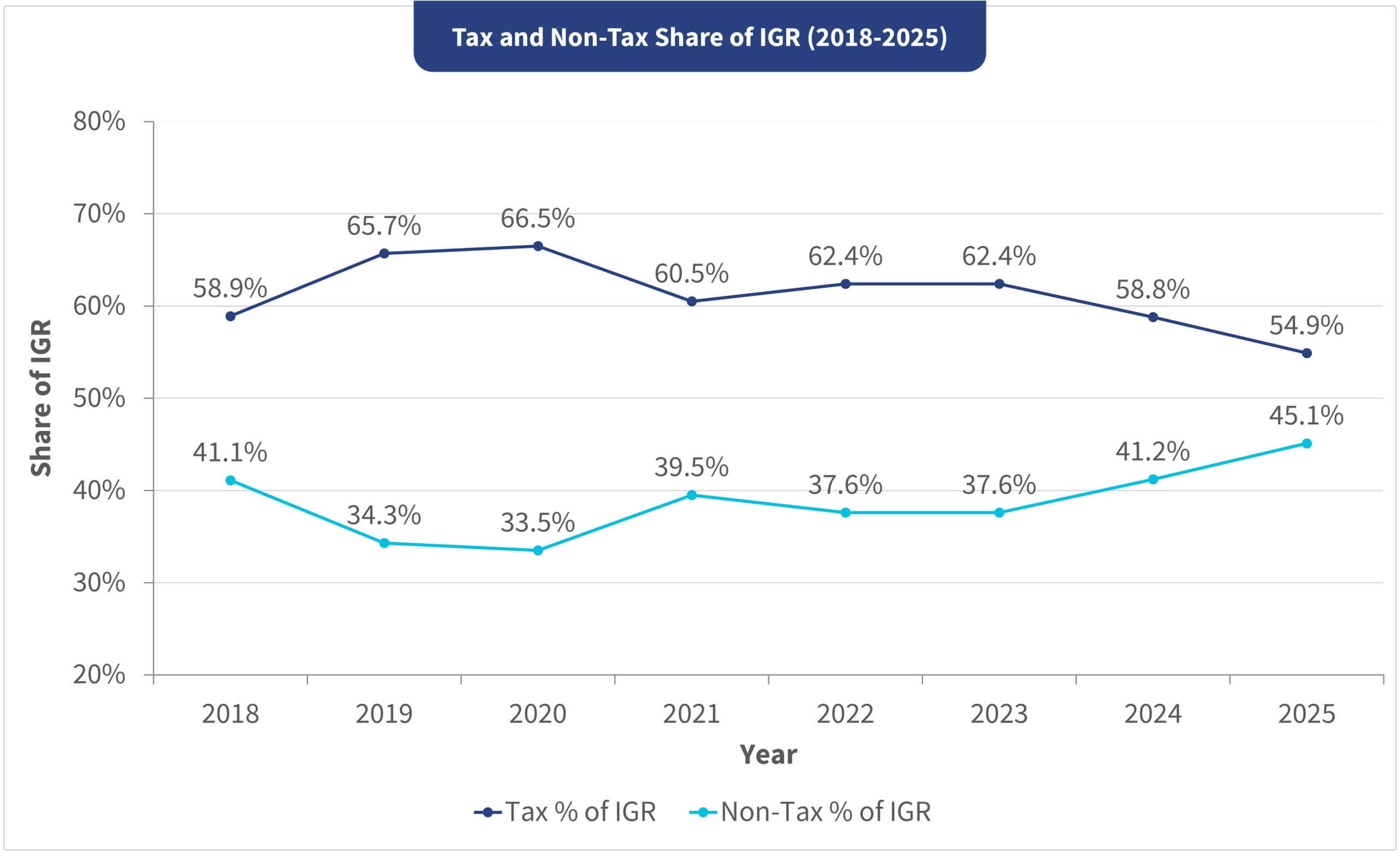
Figure 1: Composition of the Internally Generated Revenue (IGR) of States
The first blog in this series discussed Nigeria’s revenue challenges and the enabling role of DPI in strengthening public finance. This blog focuses on the Intelligent Revenue Authority (IRA) Readiness assessment, drawing attention to the findings, emerging capabilities, and opportunities for States to build smarter, more efficient, and taxpayer-centred revenue administration systems.
In the context of taxation, DPI enables reliable taxpayer identification, efficient payment processing, and effective data exchange across government entities. However, the extent to which these foundational capabilities translate into improved revenue outcomes depends on how they are integrated into the revenue administration system.
The IRA Readiness Assessment is a diagnostic tool that evaluates the digital maturity of State revenue authorities in Nigeria. It is designed to be applied across the taxpayer journey, i.e., the end-to-end experience a taxpayer, whether an individual or a business, has when interacting with a State revenue system, from registration through payment and post-payment services. Drawing on key DPI principles such as interoperability, scalability, security, and user-centric service delivery, the assessment evaluates how effectively revenue authorities leverage digital platforms, data systems, and automated processes throughout the taxpayer journey.
Covering all 36 States and the Federal Capital Territory (FCT), the assessment provides a State-by-State profile of digital maturity in tax administration. It draws on extensive consultations with the heads of Nigeria’s revenue authorities and digital agencies to understand their operating environment and priorities. The tool highlights gaps in automation, interoperability, data quality, and institutional capacity that affect States’ ability to register taxpayers, validate transactions, manage records, and mobilise revenue. It also recommends DPI-targeted actions to strengthen Digital Domestic Revenue Mobilisation (DDRM) and embed Digital Public Financial Management (DPFM) principles across the taxation lifecycle.
How the IRA tool measures digital maturity
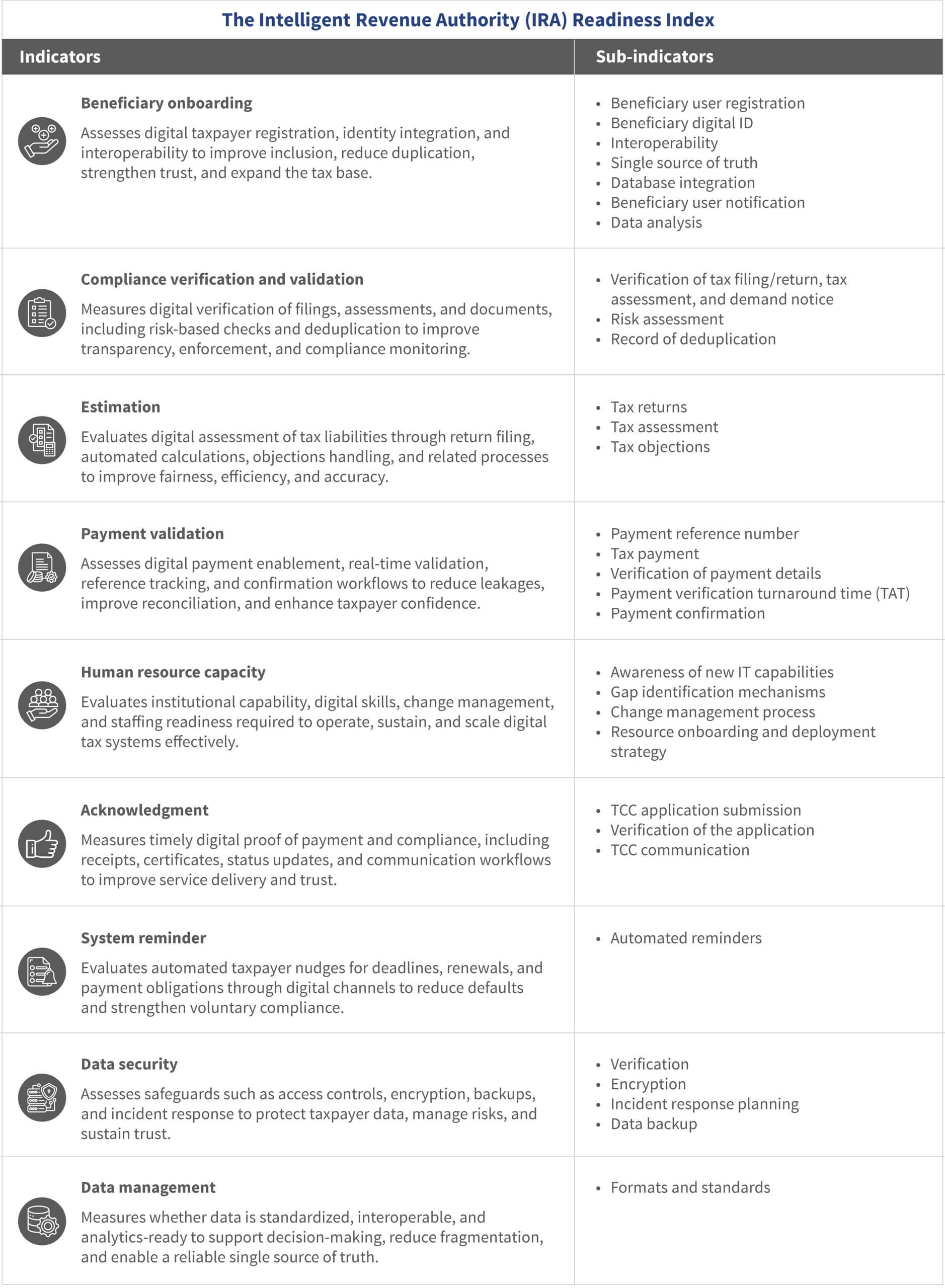
The IRA Readiness tool was developed following an extensive review of global literature[1] and discussions with revenue stakeholders. It evaluates digital maturity across nine key indicators of the end-to-end taxpayer journey. These indicators assess the people, process, and platform dimensions of revenue administration to achieve a nuanced evaluation of rules, technological capabilities, operational practices, and institutional readiness that reflect the realities of Nigeria’s tax administration system. The following table elaborates on these indicators.
What the IRA assessment reveals about State readiness
The assessment provides a baseline against which States can track progress over time and measure the impact of future digital investments and reforms. Using composite digital maturity scores,[2] the 36 States and the FCT were categorised into three categories, namely high, medium, and low, to capture their level of digital readiness.
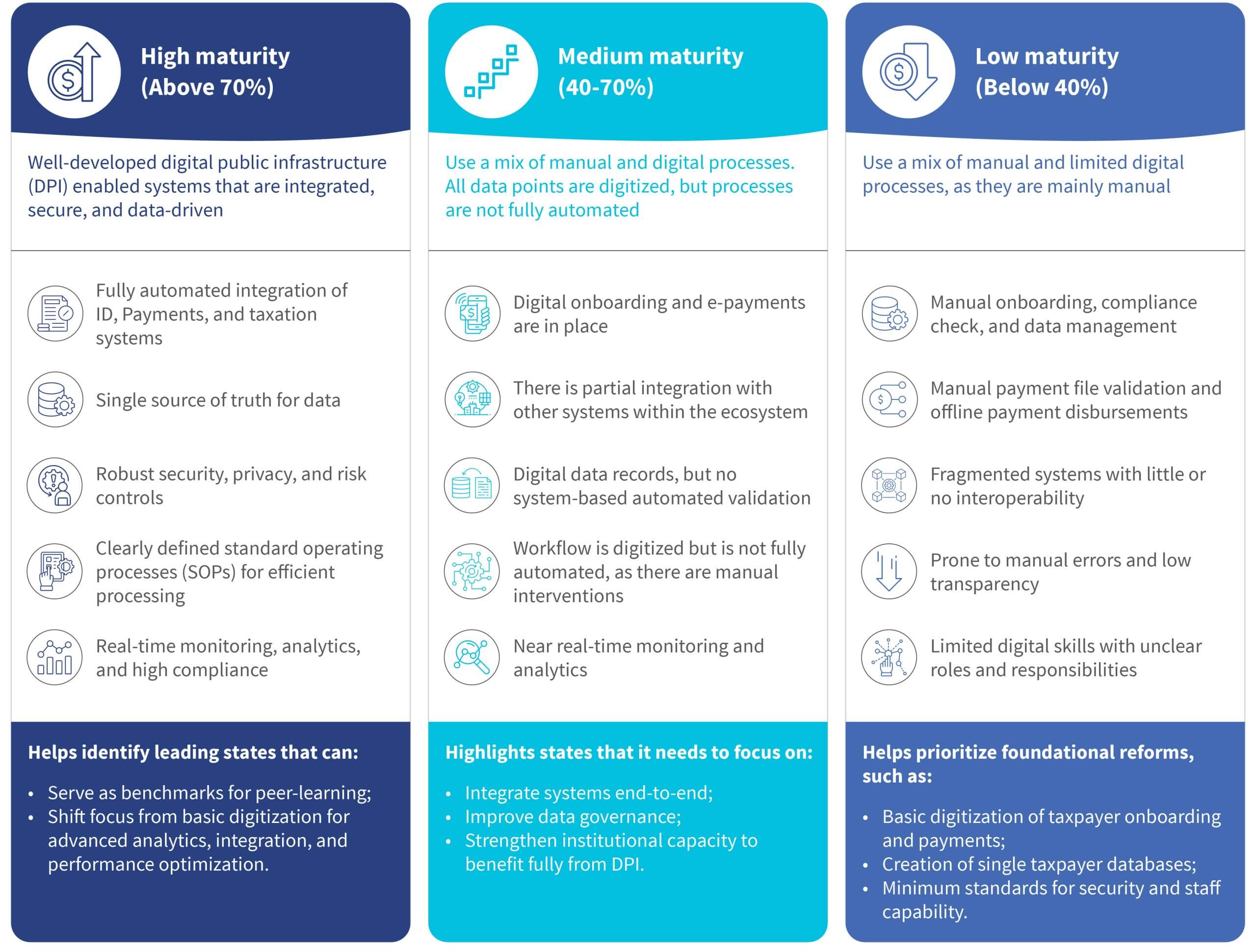
Figure 2: The three types of digital readiness levels
The assessment reveals significant variation in digital readiness across States, driven by differences in digital infrastructure, process automation, interoperability, governance practices, and institutional capacity. While some States have established integrated, highly automated revenue systems, others rely on fragmented or semi-manual processes for taxpayer onboarding, compliance verification, payment reconciliation, and data management.
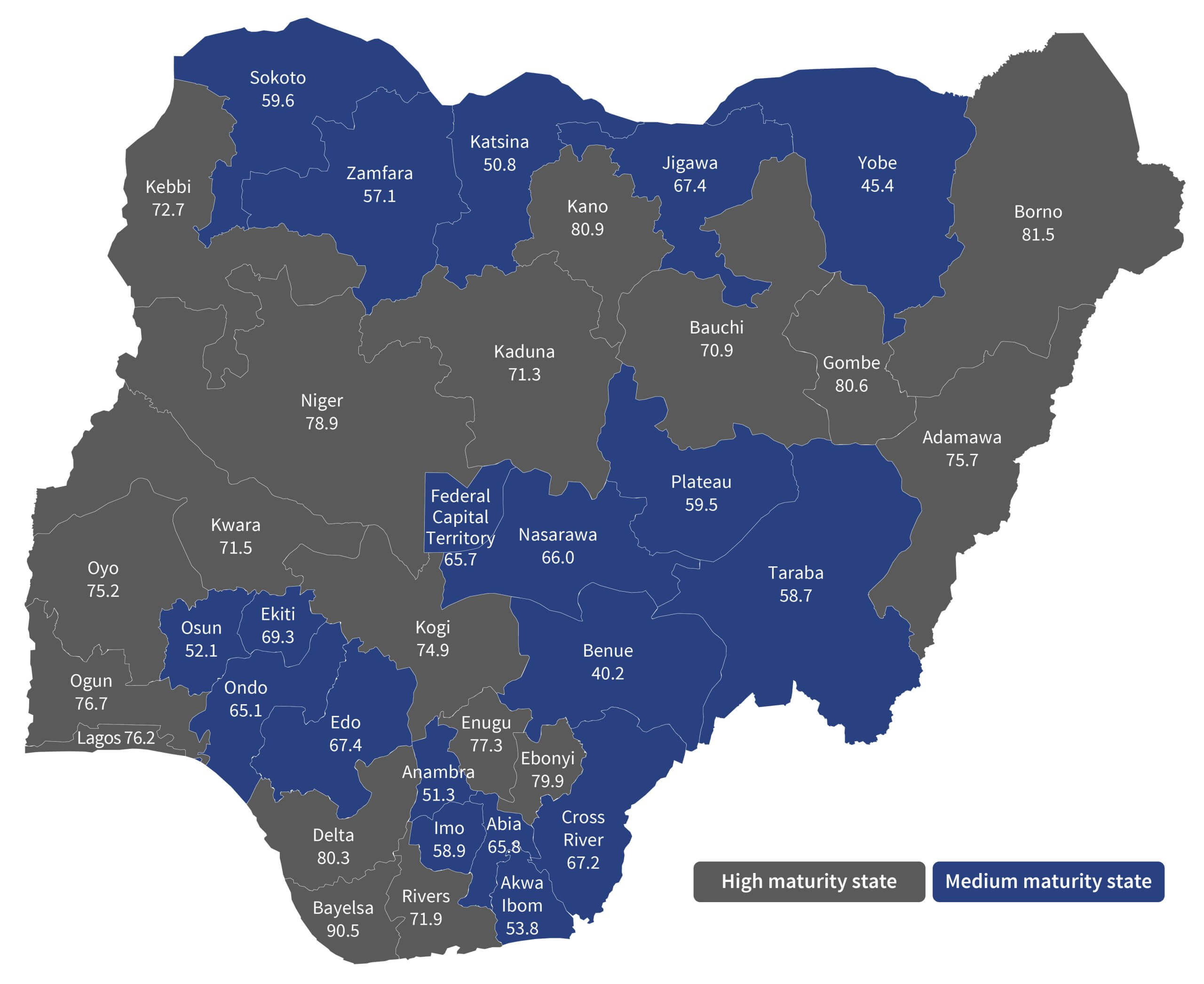
Figure 2: States with IRA digital maturity scores
The IRA maturity score combines performance across all three payment streams (P2G, B2G, and G2G) to provide a composite measure of a State’s readiness for digital revenue administration. This composite approach will help governments identify strengths and gaps across all taxpayer-type journeys, rather than evaluating each journey in isolation.
Leading States such as Bayelsa, Borno, Kano, Gombe, and Delta deserve recognition for their progress in rolling out fully digital taxpayer onboarding, integrating their identity systems with the National Identification Number (NIN) and Bank Verification Number (BVN), enabling real-time payment validation, and adopting advanced tax compliance mechanisms. Medium-maturity States, on the other hand, can prioritise improvements that advance interoperability, backend automation, and data governance, while low-maturity States can focus on foundational reforms, including digital taxpayer onboarding, single taxpayer databases, standardised security controls, and improved digital skills for staff.
Of the 37 revenue administrations assessed, 18 States scored an aggregate above 70%, reflecting high digital maturity. Others clustered between 60–75%, highlighting moderate integration of digital infrastructure but persistent gaps in interoperability, automation, and comprehensive data security. Five other States scored below 55%, underscoring the prevalence of fragmented, semi-manual, or paper-based processes.
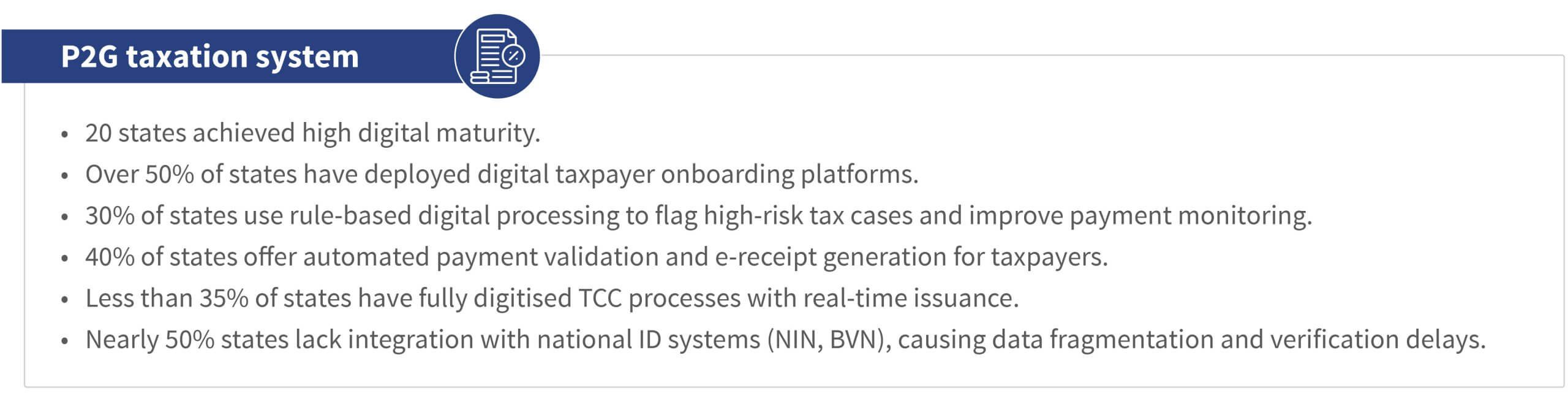
Person-to-government (P2G): strongest in onboarding and payments, weaker in compliance management
P2G systems demonstrate the highest levels of digital maturity in taxpayer onboarding, payment validation, and digital acknowledgments, making it easier for individual taxpayers to register, pay taxes, and receive transaction confirmations. However, progress is less consistent in compliance verification, tax estimation, automated reminders, and grievance resolution. Data management and security practices also vary widely, and limited technical capacity continues to constrain the implementation and maintenance of digital services. Evidently, many P2G platforms prioritise transactions over providing a comprehensive, citizen-focused digital tax experience.
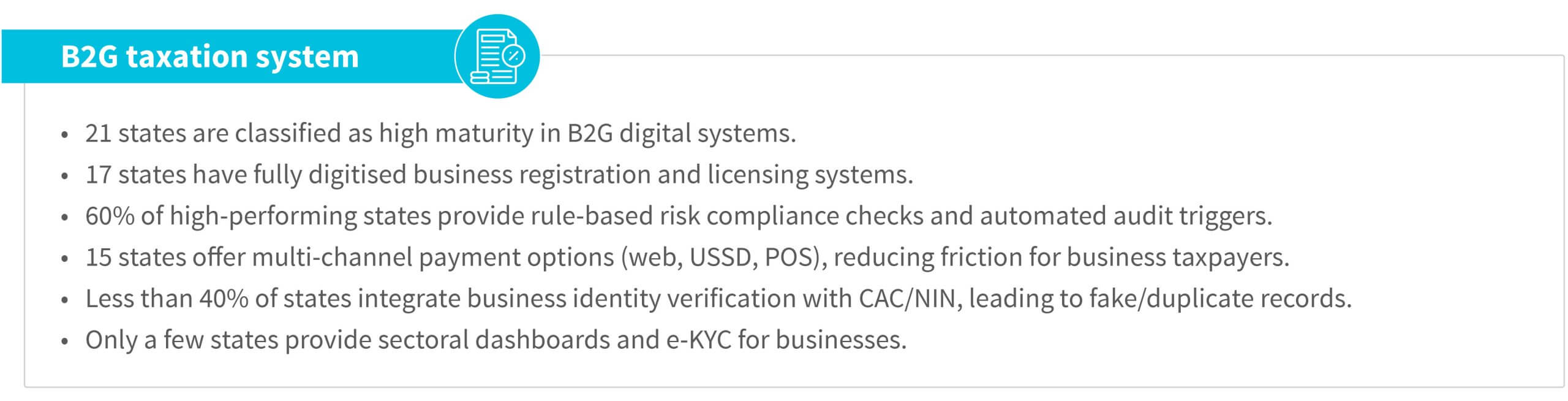
Business-to-government (B2G): stronger compliance systems, but uneven automation and integration
B2G systems exhibit relatively high maturity in business onboarding, compliance verification, payment validation, and data management, all of which are required to support larger and more complex business transactions. However, automation of tax estimation, reminders, grievance resolution, and end-to-end workflow integration lags in most States. While larger businesses generally benefit from more structured digital services, gaps in interoperability, cybersecurity, and technical capacity limit the efficiency and consistency of digital tax administration.
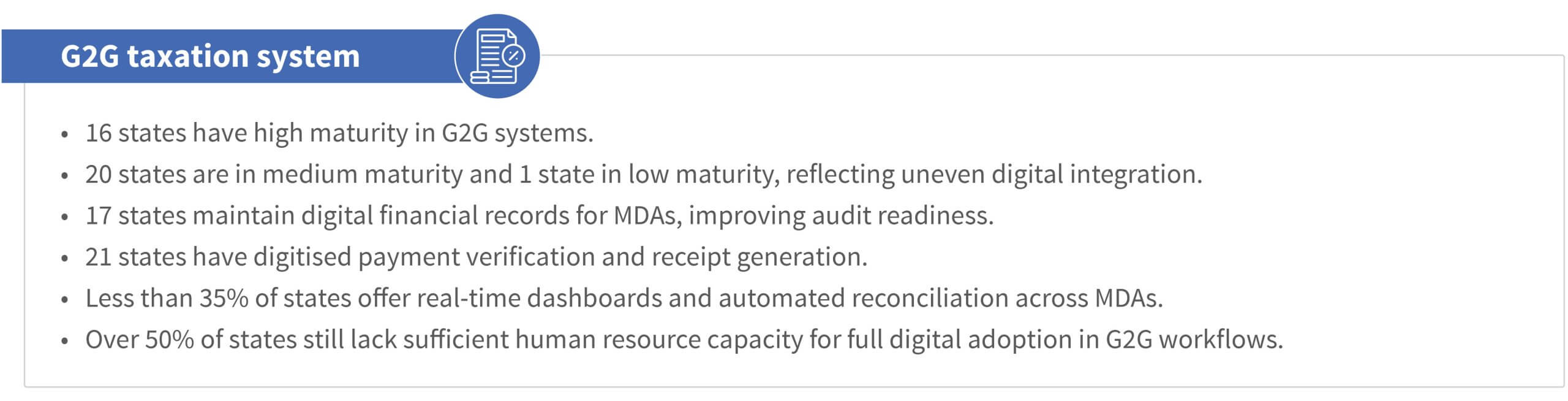
Government-to-government (G2G): progressing slowly due to interoperability and institutional constraints
G2G systems demonstrate the lowest level of digital maturity across the three payment streams. While half of the States have digitised internal payment processing and basic validation workflows, progress is limited in compliance verification, data management, automated reminders, and end-to-end process automation. Weak interoperability among MDAs, inconsistent cybersecurity practices, and limited technical capacity further constrain information sharing and coordinated decision-making. As a result, many States rely on fragmented systems and manual processes for managing intergovernmental fiscal relations.
Charting the path forward: from insights to action
The direction of travel is clearer for States, with the next frontier of digitalising tax coming from linking identity, payment, and data systems into seamless taxpayer journeys and pairing this infrastructure with the institutional capacity required to sustain it. As these building blocks come together, digital readiness will translate into stronger revenue, fairer systems, and greater public trust, giving every State a stronger footing to finance its own development. The IRA tool shows that the key barrier to digital revenue transformation is no longer the absence of digital platforms. Fragmented taxpayer records, limited automation, weak interoperability, inconsistent data governance, and gaps in institutional capacity are the main binding constraints. These gaps span the taxpayer journey, from registration and compliance verification to payments and post-payment services. Addressing them requires a DPI approach that connects systems, enables secure data exchange, and supports integrated revenue administration. The roadmap for States will include the following actions:
Strengthen taxpayer registration and data foundations: Fragmented taxpayer records and limited cross-system verification make it difficult to build a reliable view of taxpayers. A Single Customer Account (SCA) can address this by consolidating taxpayer information and linking it to foundational digital infrastructure, including the National Identification Number (NIN), Bank Verification Number (BVN), the Joint Revenue Board (JRB) Tax Identification Number (TIN), the Corporate Affairs Commission (CAC), and the Nigeria Inter-Bank Settlement System (NIBSS). A single or integrated source of truth can reduce duplication, improve data quality, and strengthen compliance monitoring.
Automate compliance and service delivery: While digital onboarding and payments have advanced, compliance verification, tax estimation, Tax Clearance Certificate (TCC) processing, grievance redressal, and system reminders are less mature. Rules-based workflows, automated verification, digital TCC issuance, and automated notifications can reduce manual intervention and improve turnaround times. An interoperable payments infrastructure, including bank and fintech platforms, USSD, agent banking, and mobile money, can also expand convenience and make payment options more accessible.
Enable data-driven revenue administration: Revenue authorities are generating increasing volumes of taxpayer data, yet its use for compliance management and decision-making remains limited. Integrated customer relationship management (CRM) platforms, risk-based compliance tools, real-time dashboards, and automated reminders can transform this data into actionable insights. This will help authorities identify compliance risks early, target interventions more effectively, and reduce the high cost of compliance.
Strengthen trust through security and governance: Greater data integration increases the need for stronger safeguards. The roadmap emphasises baseline cybersecurity measures, including multi-factor authentication, encryption, access controls, and incident response protocols, along with clear data governance standards to protect taxpayer information and maintain trust in digital services.
Build institutional capacity to sustain transformation: Digital systems require capable teams to implement, manage, and continuously improve them. The roadmap includes strengthening digital leadership, building dedicated technical capacity, improving staff digital skills, and embedding structured change management within revenue authorities. Targeted taxpayer awareness and inclusion initiatives, particularly for women, youth, and small businesses, can further support adoption and ensure that digital services translate into broader participation in the formal revenue system.
States may structure their path of change into phases based on their level of digital maturity (See Figure 3). This phased approach will help States address foundational gaps before implementing more sophisticated reforms to achieve efficient, transparent, and resilient revenue administration.
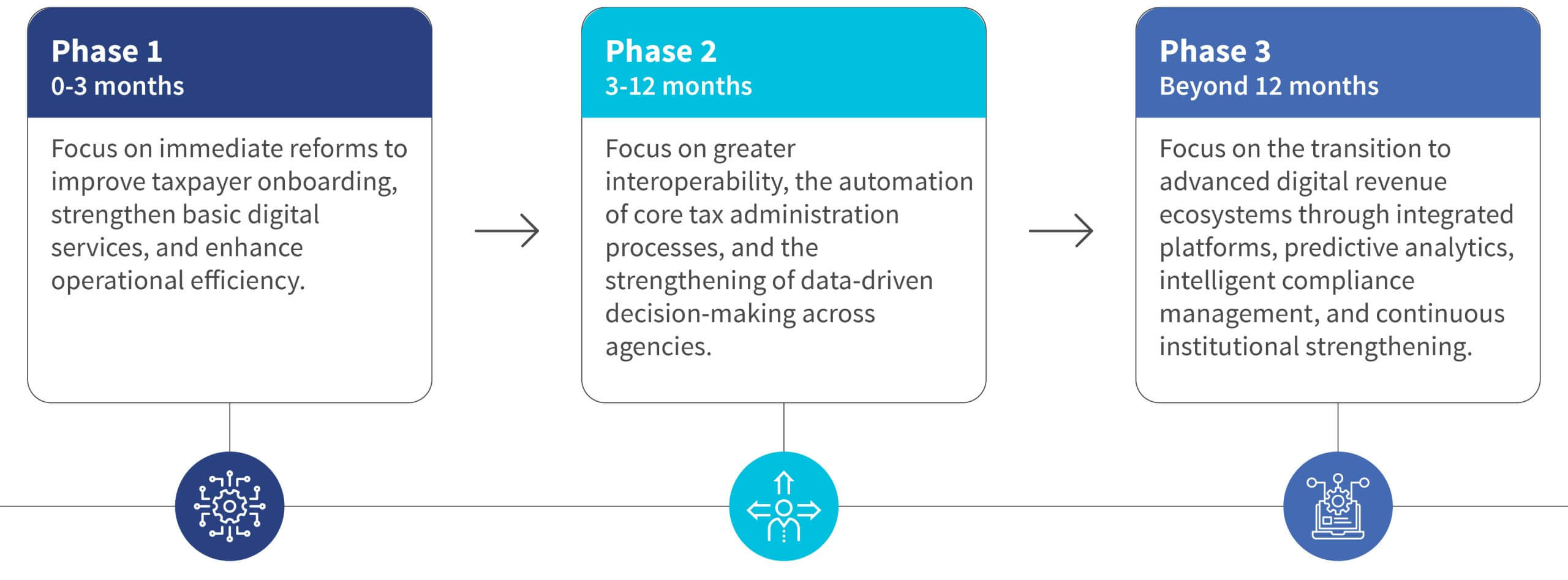
Figure 3: The phased roadmap for implementing recommendations in the IRA report
This blog was first published on ‘Nigeria Governors’ Forum’ on 12th October 2026.
[1] The literature review draws on leading publications, including Tax Administration Digitisation and Digital Transformation Initiatives (OECD), Tax and Customs Administration – Digitalisation Resources (IMF), and Tax Administration 2023 – Digital Transformation Journeys (OECD).
[2] The composite digital maturity score represents the aggregated assessment of dimensions such as digital infrastructure, system automation, data management, interoperability, governance, cybersecurity, and institutional capacity.
Written by




Leave comments