The structural drivers of vulnerability that most safeguarding programs still ignore
 by Lois Eva Adongo and Catherine Atieno
 Jul 7, 2026
 6 min
6 min


This blog explains why safeguarding frameworks often fall short in fisheries communities. It highlights how early economic participation, exploitative market systems, and inadequate infrastructure create structural vulnerabilities that policies and compliance measures alone cannot address.
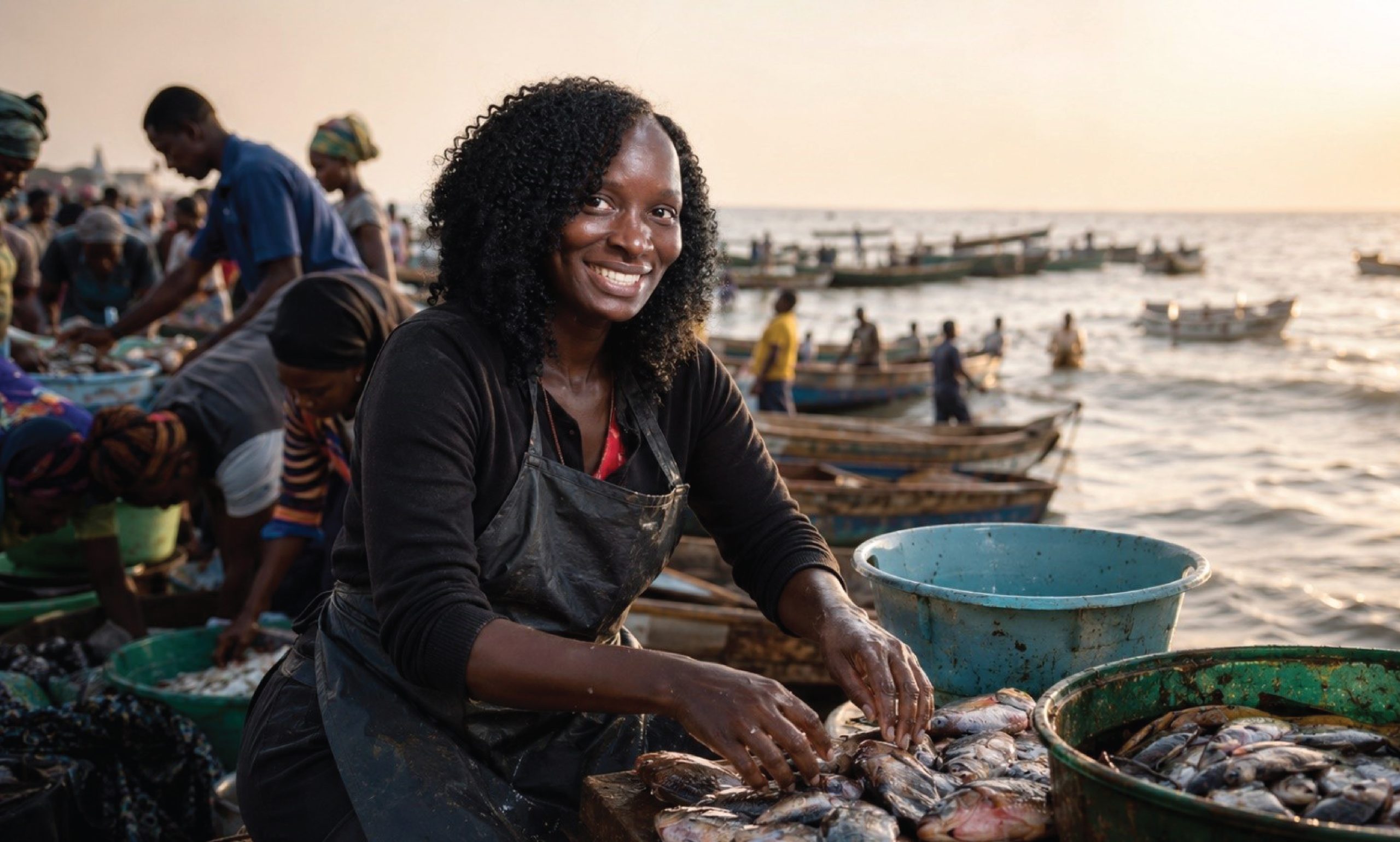
Safeguarding has become a standard practice in development programming. Funders require it, implementing partners train on it, and reports refer to it daily. Safeguarding has meaningfully reduced harm when well-designed and contextually grounded. It has protected beneficiaries, staff, and communities from abuse and exploitation. But for fishing communities around Lake Victoria, safeguarding frameworks often feel as if they belong to a different world. Here, children learn to cast nets before they learn to read. Entire families share a single iron-sheet room. The lake serves as a kitchen, bathroom, and workplace.
There is a significant, often unacknowledged gap between safeguarding policy and safeguarding reality in fisheries communities across Sub-Saharan Africa. This blog examines the structural drivers of that gap. A second blog in this series will outline what fit-for-purpose safeguarding and program design should look like.
What safeguarding is and why fisheries are different
Safeguarding refers to measures designed to protect program participants from abuse, exploitation, neglect, and harm. It includes reporting mechanisms, codes of conduct, accountability structures, and protections against physical, psychological, sexual, and economic abuse.
Most frameworks assume that participants are adults with clear boundaries between home and work, and that vulnerability can be identified and contained. In urban financial inclusion or enterprise development programs, these assumptions generally hold.
In fisheries communities built around inland lakes in East and Central Africa, three structural realities consistently challenge these assumptions. The age at which people enter the economy, the exploitation embedded in the market system, and the physical infrastructure, or the lack of it, shape daily life.
MSC’s Gender, Equality, Diversity, and Social Inclusion (GESI) practice explicitly recognizes gender-based violence as a barrier to economic empowerment. Its impact on women’s mobility, agency, and participation in livelihoods cannot be separated from financial inclusion programs. MSC treats the safeguarding gaps outlined in the following sections as organizational concerns rather than donor compliance requirements.
The under-18 problem, when livelihoods begin before adulthood
MSC’s analysis of youth unemployment and economic participation in Sub-Saharan Africa finds that social, cultural, and structural barriers push young people into economic activity earlier than formal eligibility criteria allow. Gender and geography intensify this pattern, particularly for women and rural youth. In fishing communities, the pattern is more pronounced. The entry point is not eighteen.
Global Sisters Report has documented children as young as five working at landing sites. Along Lake Victoria, the boundary between childhood recreation and adult livelihood is almost nonexistent. By their early teens, many children catch, sort, sell, and reinvest in the fish trade. They are fully embedded in the fisheries value chain years before any development program would consider them eligible for support.
Most development programs define “youth” as individuals aged 18 to 35, in line with donor requirements and national legal frameworks. This definition leaves a 15-year-old exposed to an unregulated market, in which they face predatory actors and economic pressure outside the safeguarding framework. That reflects a structural blind spot with real consequences. Safeguarding design must catch up.
Jaboya: When the market demands the body
MSC’s work on meaningful financial inclusion for women finds that economic programming frequently reaches women without addressing the power dynamics that govern their participation in markets, leaving the structural conditions of exploitation intact while claiming inclusion. In fisheries, the starkest expression of that gap is jaboya, a sex-for-fish exchange documented across communities on Lake Victoria in Kenya, Uganda, and Tanzania. Similar practices appear in fishing economies across the Democratic Republic of Congo, Zambia, and coastal West Africa.
Women dominate fish processing and retail but rarely own boats or nets. When catches are low and competition is high, access to fish often becomes contingent on sexual favors, where fishermen hold the power to choose their buyers. This arrangement remains transactional and normalized in many landing-site economies. Sexual exploitation sits within the market structure that development programs enter when they work in fisheries.
A girl entering this economy at 12 or 13 learns its rules long before any safeguarding workshop reaches her. By the time that workshop reaches her, at 19, 25, or 30, she has spent a decade inside a system that teaches practices that conflict with the training.
The effects of these norms begin long before formal adulthood. As the Swahili saying goes, samaki hukunjwa ungali mbichi. The fish is folded while it is still fresh. If the shaping happens early, so must the intervention. This blog series examines this challenge.
Infrastructure and the architecture of vulnerability
The challenge extends beyond economic systems. It is also visible in the physical environments where people live and work. A phrase used among Luo communities around Lake Victoria captures the norm: “People of the lake do not fear one another’s bodies, because they have always shared the water.”
Communal bathing at the lakeside and the absence of physical privacy are not evidence of moral permissiveness. Scholars who study these communities consistently link these practices to generations of economic marginalization, limited infrastructure, and constrained living conditions. Safeguarding frameworks that ignore these realities risk misreading the context they seek to address.
The infrastructure deficit at most landing sites is severe.
Despite sitting on the shores of major water bodies, most landing sites have little or no sanitation infrastructure. Toilets, where they exist, are shared, unlit, and unsafe, particularly for women after dark. The UN Economic Commission for Africa has noted that women and girls manage menstruation, bathing, and personal hygiene in public or semi-public spaces. This creates continuous, daily exposure to harassment and assault, regardless of what any program’s safeguarding policy states on paper.
Our experience on the ground confirms this pattern. MSC attended a stakeholder workshop in Kisumu under the Women and Youth Economic Empowerment in Fisheries through Inclusive Market Access (WYEEFIMA) program implemented by TradeMark Africa and the AfCFTA Secretariat in partnership with the Mastercard Foundation. Women traders at the workshop called for investment in hygienic storage, crèche facilities, and improved working conditions at landing sites. These were not abstract requests. They were made by women who navigate these conditions every day and understand that financial training cannot offset the absence of basic infrastructure.
Programs that work in these communities must catalyze investment in gender-segregated, lockable sanitation and bathing facilities at landing sites. This is safeguarding infrastructure, which programs must include in protection frameworks, budgets, and advocacy agendas from the outset.
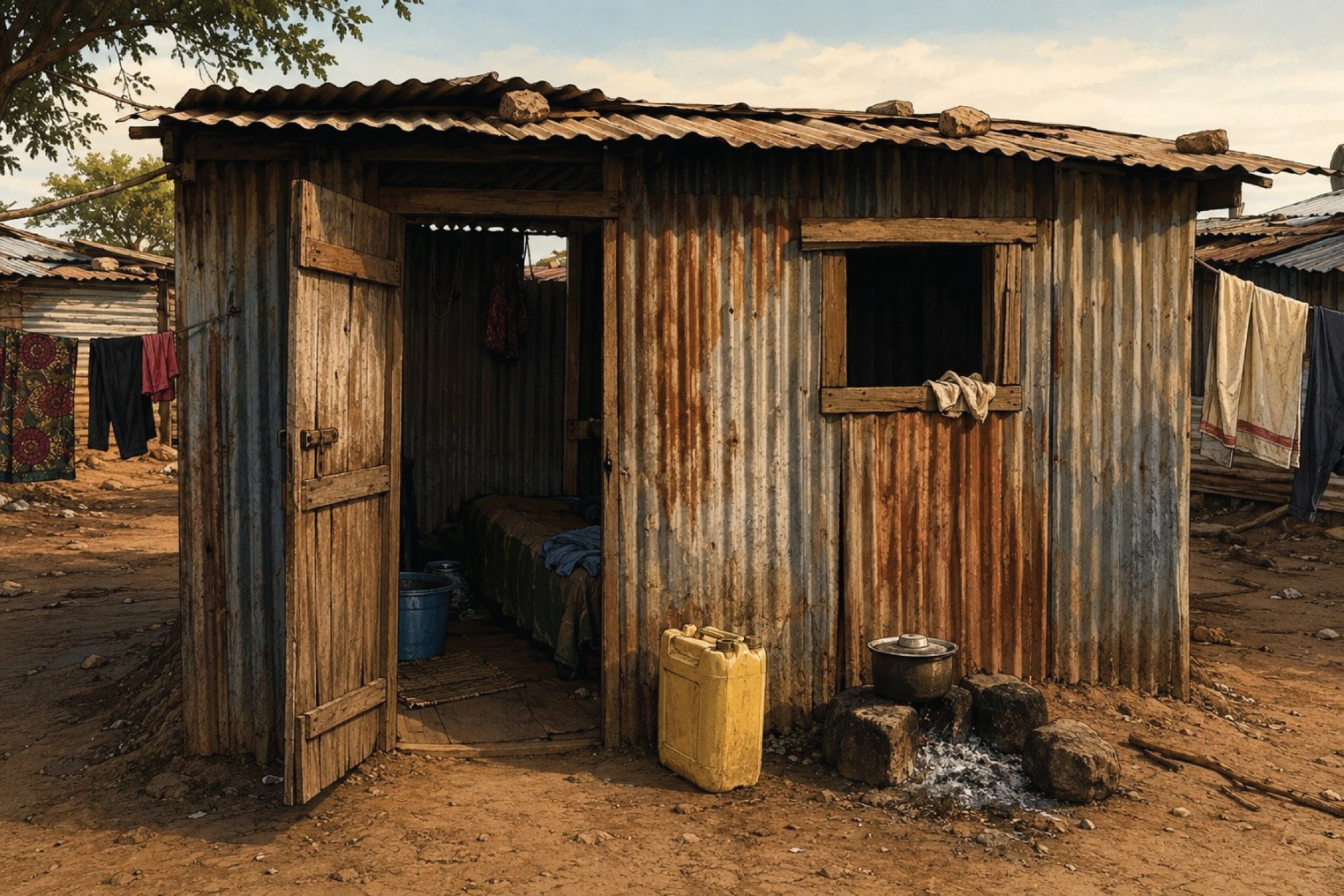
Housing conditions compound the problem. At many landing sites, entire families live in single iron-sheet rooms renting for the equivalent of a few dollars a month. Children are immersed in adult economic and social realities from an early age, often without protection or alternatives.
The gap reveals a structural problem
These three realities of economic entry, market-based sexual exploitation, and infrastructure deficits are the more prevalent problems as per the case argued in this blog, revealing a safeguarding gap that no code of conduct can close. The vulnerability that fisheries programs encounter is systemic. It is embedded into the market structure, the physical environment, and the lifecycle of the communities that programs serve.
Programs that carry only a policy document, without attention to these realities, arrive too late and are underequipped to address the structural drivers of vulnerability in fisheries communities.
These realities demand a broader view of safeguarding. We should look beyond reporting mechanisms and compliance requirements to address the environments, markets, and social systems that shape risk.
In the second blog of this series, we present what fit-for-purpose safeguarding looks like in fisheries communities. The approaches include early school-based intervention, scholarship pipelines, community-led protection systems, livelihood diversification, and psychosocial support. Programs must be designed with design choices that carry the safeguarding burden, rather than policy alone.
MSC works across financial inclusion, agriculture, fisheries, gender equality, and youth economic empowerment in more than 65 countries. Visit our library at www.microsave.net/library to explore MSC’s fisheries finance work across Africa and Asia. The insights in this series are based on field experience with fishing communities.
Written by

Lois Eva Adongo
Senior Manager
Catherine Atieno
Senior manager
Leave comments