The economic case for investing in India’s healthy aging
 by Boijayanti Sarker and Kavya Shah
 Sep 21, 2026
 4 min
4 min


This blog examines the economic case for investing in healthy aging as India’s older population grows. It highlights how preventive care, financial protection, community support, and continued participation can reduce healthcare costs, support families, and help older adults remain healthy and independent.
Introduction
India is aging at a pace that will test the capacity of its health and economic systems. In 2022, 149 million Indians were aged 60 and above, about 10.5% of the population; and by 2050, there will be 347 million, or 20.8%.
The elderly population is currently growing at a decadal rate of 41%, faster than any other age group. Older adults will likely outnumber children aged 0–15 by 2046. After decades of planning for a young and growing population, India must now prepare for rapid aging. The country must also ensure that people live these years in good health, with financial security, independence, and dignity.
Population aging in India currently appears as a future welfare burden, but it is an urgent economic policy challenge. The case for investing in healthy aging rests upon proactive systems. These systems protect households, sustain labor markets, improve productivity, and support continued contribution in later life. They also challenge the assumption that aging inevitably leads to dependency.
These economic gains will largely come through two complementary pathways: the reduction of losses from poor health and disability in later life, and the creation of new value through support that helps older adults remain healthy, active, and independent for longer.
Reducing the economic losses of unhealthy aging
The first gain from investing in healthy aging comes from lowering the costs of poor health in later life. Despite advances in financial protection and health assurance, out-of-pocket expenditure continues to account for 43.4% of total health expenditure in India. This burden falls heavily on the elderly. An older adult spends roughly 17.4% of total household consumption on healthcare, a share that rises to nearly a quarter (24.8%) among the poorest of older adults.
For many families, a serious illness in old age can deplete savings, force the sale of productive assets, or push entire households into debt. Families divert savings that could support education or enterprise investment to medical expenses instead. The economic consequences extend well beyond the health sector. They affect household consumption, generational asset creation, and long-term financial security.
Much of this burden is preventable. Investments in preventive care, early diagnosis, and effective management of chronic conditions reduce the likelihood of expensive hospitalizations and complications, generating savings for both households and the health system.
Healthy aging is about more than just extending lifespan. It is about increasing health-span, the years people live free from significant illness, disability, or functional decline. Ultimately, it is also about enhancing joy-span, which includes purpose, social connection, autonomy, and emotional well-being.
Healthier, more independent years mean lower treatment and long-term care costs for both families and the health system.
Creating economic value through healthy aging
The economic case extends beyond healthcare cost reductions. As the population ages, demand for informal, unpaid caregiving rises. Women bear most of this burden and often leave paid work to provide care. Globally, one year away from paid work leaves women with 42% less in retirement savings, rising to 56% after five years of interrupted employment.
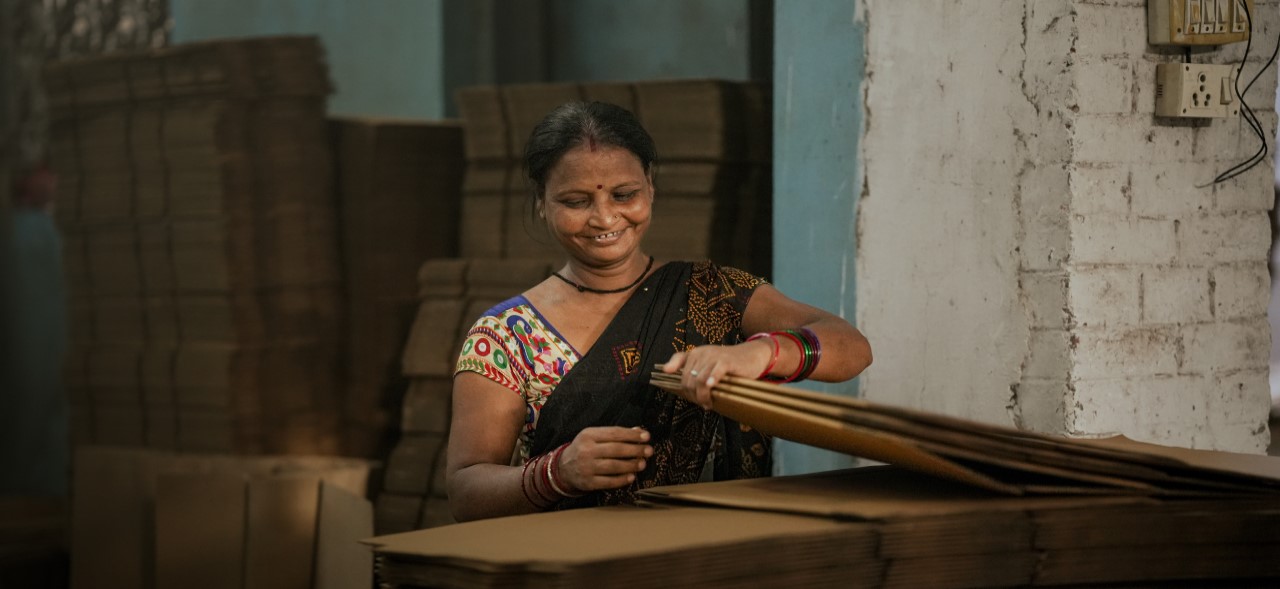
Healthy aging also expands the productive contribution of older adults. Traditional assumptions often portray older people as dependents. Yet, nearly 40% of Indians aged 60 years and above remain economically active, particularly through agriculture, self-employment, household enterprises, and the informal economy. Older adults also take on childcare and household management, work that is essential to families but has historically gone unpaid. These forms of work generate substantial economic value, despite their limited recognition in national accounts.
Preserving functional capacity and independence helps older adults and their families to remain active participants in the economy.
Why the opportunity is greatest now
India is younger than many countries that already face the fiscal pressures of population aging. In 2021, the country had roughly 16 older adults for every 100 working-age people. This demographic window gives India fiscal and institutional space to invest in healthy aging before these pressures intensify. Early investments in the aging-friendly interventions can compound over time.
Vietnam offers a close parallel. Its intergenerational self-help clubs, launched in 2006, began as older people’s associations before they expanded to include the wider community. These voluntary village-level groups have 50–70 members and combine health monitoring, livelihoods, and social participation. These clubs focus on older people, women, and those facing economic hardship. This award-winning model costs little and transfers easily because it uses existing community structures.
Fortunately, India does not need to build an entirely new system. The Ayushman Arogya Mandir network, community health workers, and digital health platforms like eSanjeevani already support preventive, continuous, and community-based care.
Older adults also benefit from dedicated government programs such as Atal Vayo Abhyuday Yojana, Elderline, Senior Able Citizens for Re-Employment in Dignity (SACRED), and Seniorcare Ageing Growth Engine (SAGE). In addition, the expanded Ayushman Bharat coverage now supports citizens aged 70 and above.
The foundations already exist. The challenge is to integrate existing health, aging, and digital systems into a coherent strategy that prioritizes prevention, functional ability, and healthy aging across the life course.
The choice: Spend now or pay more later
India will incur the costs of population aging regardless of its policy choices. The real question is whether it pays those costs proactively through prevention, early intervention, and community-based care, or reactively through hospitalization, disability, and crisis-driven spending.
Healthy aging is often framed as a social responsibility, and it most definitely is. But it is also an economic strategy. For a country entering one of its largest demographic transitions, adding years to life is no longer enough. The greater challenge and opportunity lie in adding joy, dignity, social participation, and care to those years. Whether longer lives weigh on the economy or add to it will depend on the choices India makes now.

Written by
Boijayanti Sarker
Assistant Manager
Kavya Shah
Associate
Leave comments