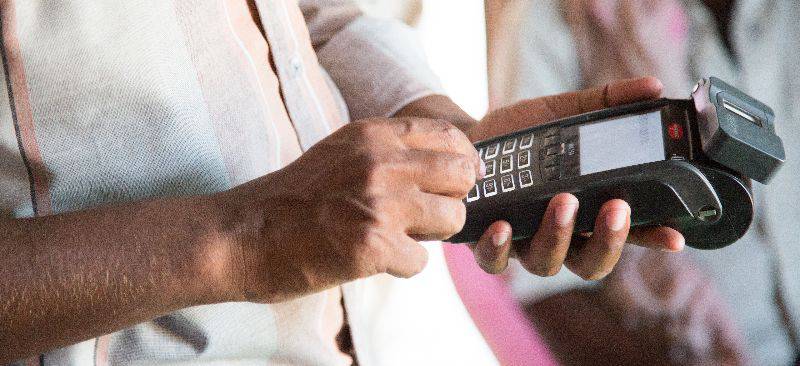
India Post Payments Bank (IPPB) is a financial inclusion focused differentiated bank in India. Housed under the Department of Post, Government of India, IPPB operates through an assisted channel of more than 175,000 postal agents spread across every pincode of India.
In this assignment, we tested a few prototypes to improve the agent application’s user interface (UI) from IPPB. We reviewed the design and content of three applications and suggested modifications to make them more intuitive and user-friendly. These suggestions are based on our discussion with IPPB staff and a quick analysis of the applications. We classified these recommendations into two broad categories: generic and specific.
The generic recommendations include suggestions for issues common to the entire application, whereas specific recommendations pertain only to specific screens within the application. The recommendations are further classified under edits, additions, or deletions—depending on the type of change required in the UI.
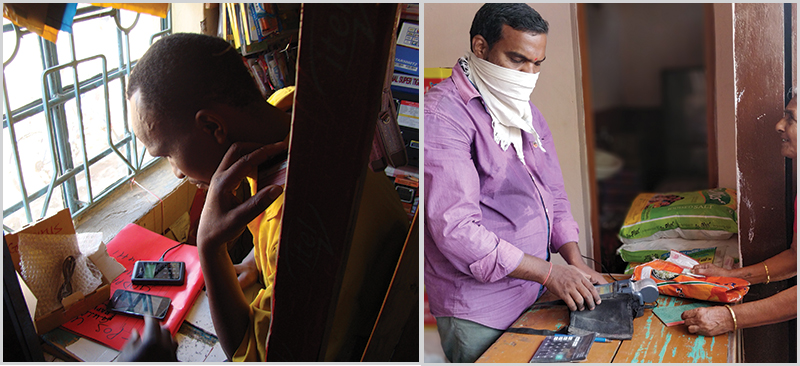
MSC will develop and publish market landscape and assessment reports from select markets in Sub-Saharan Africa, South Asia, and Southeast Asia. The first will cover digital lending to mobile money and DFS agents. The second report will look at recruiting mobile money and DFS agents. We will contribute to FSP and the broader financial inclusion, fintech, and digital finance community’s understanding of how DFS agent distribution networks function through these reports. The publications will uncover insights into the potential of emerging business models or future innovations to reduce liquidity and credit constraints among agents.

GSMA wished to study the space of mobile money distribution networks and contracted MSC to conduct a market assessment of mobile money providers. MSC’s research exercise assessed and documented leading new agent distribution networks. The resulting report is now one of the more popular downloads on GSMA’s website.
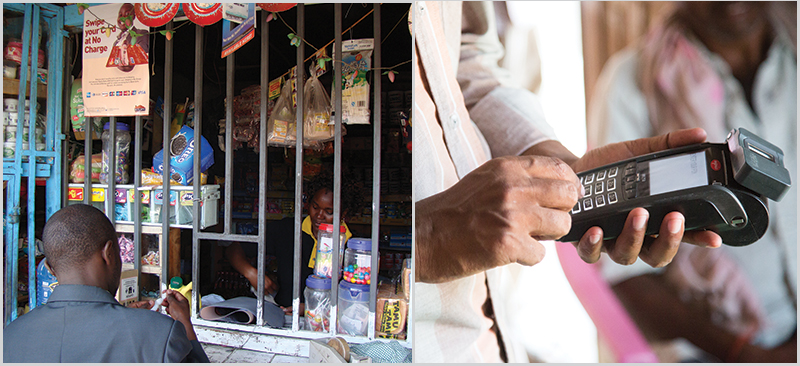
Earlier CGAP research based on global evidence identified six universal principles to expanding rural agent networks at the last mile. However, how these principles are applied seems to vary from country to country. CGAP and its partners sought to understand how policymakers, regulators, and providers have expanded rural agent networks. The exploration would also validate principles identified studied five financial markets—China, Colombia, India, Indonesia, and Kenya. These countries have significantly expanded their rural agent networks despite very different contexts. Each of the attached slide decks provides a detailed analysis, which is the basis for the CGAP publication “Agent network journeys toward the last mile: A cross-country perspective.”
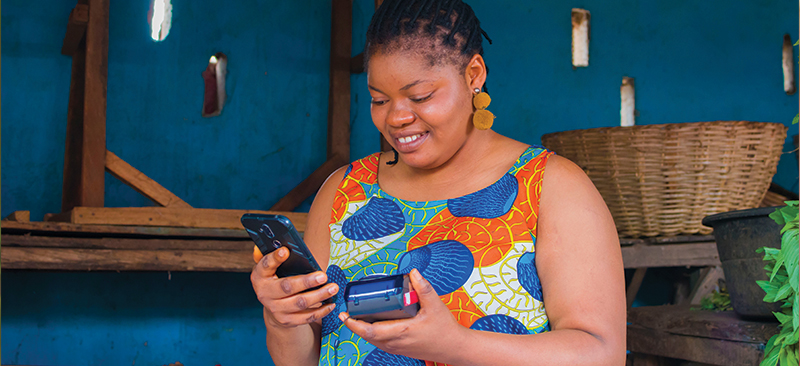
Implementation of a pilot project for banking agents to decongest branches, reduce the time spent by customers on operations, recruit new customers, and launch innovative services.

AgriCash is La Banque Agricole’s digital platform. It works to diversify its commercial offer, contribute to financial inclusion, and strengthen its leadership in agricultural value chains. AgriCash works through a network of agents who rely on the bank’s existing partners to bring its services closer to rural areas. A pilot phase of AgriCash is underway in the north of Senegal in the rice sector and should contribute to the digitization of producer payments via AgriCash points.