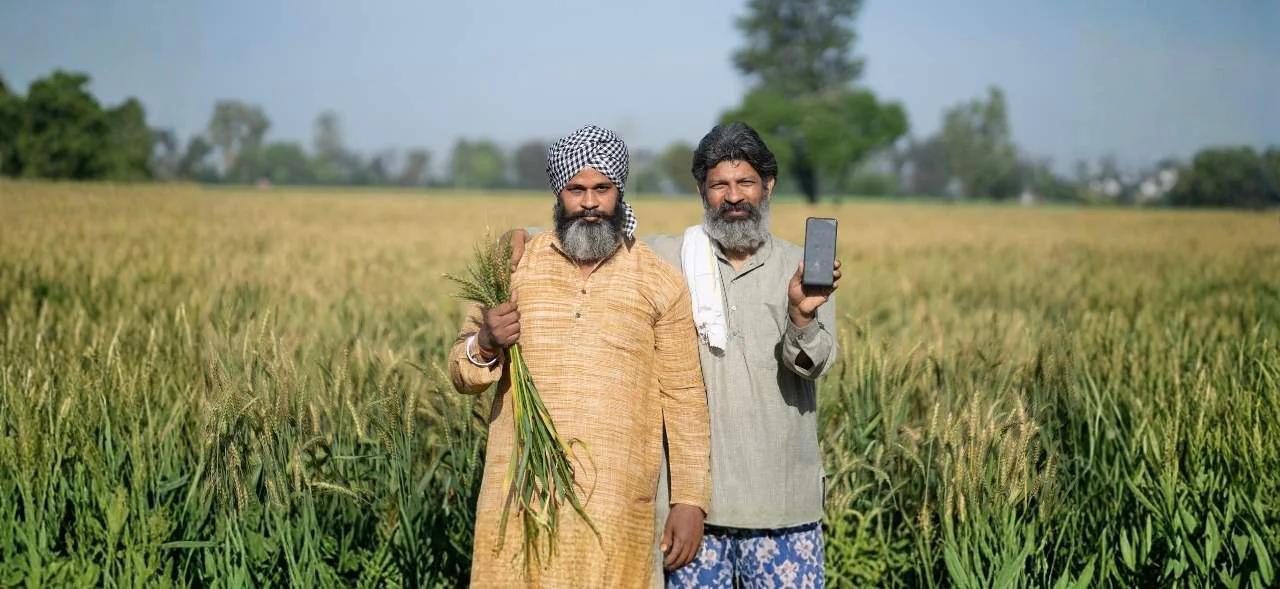
Fueling change: The multiple impacts of increasing liquefied petroleum gas usage in rural India

Amid the serene locale of Balaghat — a small city in Madhya Pradesh, India — lives Sunita, a 45-year-old homemaker. Like many local residents, she used to cook food over a chulhaa traditional earthen stove fueled by firewood, coal, and dung cakes. The crackling flames were her constant companion, but they brought more than warmth to her kitchen. Acquiring fuel for the fire was an ongoing burden for the household, and a steady stream of smoke and searing heat accompanied the flames, which left Sunita coughing and her eyes stinging — a harsh reality that extended to her children, too.

Then, in 2018, a glimmer of hope emerged in the form of free access to a clean gas cookstove and a refillable cylinder of liquefied petroleum gas (LPG) under the Indian government’s Pradhan Mantri Ujjwala Yojana (PMUY) program. With LPG, Sunita initially found respite from the smoke-filled haze while reclaiming precious time for herself and her family. However, these improvements were short-lived, as the logistical challenges of LPG refills soon became apparent, adding both financial strain and inconvenience to her household.

Firstly, the program only provided the initial LPG cylinder free of charge, and the increasing cost of LPG refills added to the financial burden for her husband, who works as a smallholder farmer—especially during non-business seasons. Secondly, her village was located 25 km from the gas agency—outside of the catchment area where it made frequent deliveries—which led to delays of more than five days in receiving delivery of refilled cylinders. When this happened, Sunita had to rely on her husband to visit the agency for a refill, which took up almost half his day. As a result, their household was unable to obtain regular LPG refills and relied mostly on the biomass fuel they had used prior to the program.

The barriers to LPG adoption among rural households in India

As MSC has explored the barriers that hinder LPG cylinders’ adoption among individuals like Sunita, we’ve gained insights into the intricate challenges of rural households. MSC’s extensive research has unearthed three key factors that impede the regular refilling of LPG among rural communities:

  1. Accessibility challenges: The remoteness of rural areas poses logistical hurdles, which make direct home deliveries impractical for LPG distributors without incentives. As a result, customers must retrieve cylinders from agencies, incurring extra costs, spending valuable time, and facing considerable inconvenience.
  2. Financial challenges: The irregular income patterns prevalent in rural settings make it difficult for households to afford the recurring expense of LPG. This is particularly the case for those engaged in agriculture and wage labor. This financial instability often compels a shift toward cheaper biomass or solid fuels as substitutes.
  3. Cultural conditioning: Deep-rooted cultural and taste preferences for cooking over traditional chulhas contribute to the resistance to LPG adoption. Many households perceive biomass as abundant and cost-free, which undermines the perceived desirability of switching to LPG. Moreover, a prevalent lack of awareness of safety practices around LPG further reinforces the reluctance among rural customers.

MSC has tackled these challenges in LPG access through a program, facilitated by Bharat Petroleum Corporation Limited, that leverages the hundreds of thousands of self-help groups (SHGs) in operation across Madhya Pradesh, which reach 4 million rural households. A Self-Help Group is a village-based group of 10-20 individuals (women in this case) who contribute small regular savings to create a fund. Members borrow from this fund when needed, and SHGs with good financial discipline are linked to banks for credit, which they then on-lend to their members. Recognizing that this extensive SHG ecosystem could help significantly boost the uptake of LPG cooking, we worked with the Madhya Pradesh State Rural Livelihood Mission and the Ministry of Petroleum and Natural Gas to develop a need-based microloan product that has enabled SHG members to afford LPG cylinders regularly.

Scaling up a successful pilot program to boost LPG access

We initially offered this loan product through a limited pilot program that reached 100 SHG members. Then, after those loans were repaid successfully, we worked with our partners to scale up the program in Madhya Pradesh, giving the program and the loans a formal name: the Ujjwala Sakhi initiative and the Ujjwala loan product.

Ujjwala Sakhis are all women entrepreneurs and members of SHGs: We decided to exclusively work with women due to their central role in household chores, and in the culturally rooted barriers to LPG adoption, which often require a trusted, community-based approach to overcome. The SHG network provided a great platform to leverage this community model. As change agents, Ujjwala Sakhis play a pivotal role in addressing barriers related to accessibility and cultural norms around LPG usage. These women educate households about the benefits of LPG, facilitate the refilling process, and provide support to overcome traditional cooking preferences. In addition to these roles, Ujjwala Sakhis also help community members access the Ujjwala loan product. They assist SHG members in applying for the loan, ensuring that they understand the loan terms, and guiding them through the process of securing timely and affordable credit.

Throughout our efforts to scale this intervention, MSC developed three primary initiatives to address challenges related to LPG refilling:

  • Offering Ujjwala loans: These are small-ticket loans available to the SHG members. The loan amount covers the LPG refill cost, as paid to the distributor that provides the gas. The customer can repay the loan to the SHG over the course of three months.
  • Organizing awareness campaigns: Ujjwala Sakhis and LPG marketing companies organize awareness camps to overcome cultural barriers to regular gas refills, and to educate communities about safety practices they should follow when using LPG. These campaigns help to overcome community members’ fear of using LPG and related accessories, while highlighting the health risks of smoke from biomass stoves.
  • Appointing Ujjwala Sakhis to improve accessibility: Ujjwala Sakhis are SHG members, recruited as agents to facilitate last-mile delivery of LPG refills and LPG gas accessories. Ujjwala Sakhis keep up to seven LPG cylinders at their location (the maximum allowed, according to safe storage regulations), which makes them easily accessible to villagers. Customers can call or visit the Sakhi at any time to buy an LPG refill. As a result, they no longer have to spend time and money traveling to a distant agency to obtain a refill. Ujjwala Sakhis purchase these LPG cylinders at a discounted price from the distributor and sell them to customers at the market price. Usually, the difference between the market price and the discounted price constitutes the Ujjwala Sakhi’s incentive or commission for each LPG refill sale. In addition, they receive commissions for conducting campaigns to educate their community members on the benefits and usage of LPG refills, as well as for selling LPG accessories. Through this model, women entrepreneurs not only earn income but also gain recognition and respect within their communities, contributing to their economic and social empowerment.

MSC has been spearheading the Ujjwala Sakhi intervention across 28 districts in Madhya Pradesh in partnership with LPG marketing companies and the Madhya Pradesh State Rural Livelihood Mission. Approximately 1,000 women from SHGs in Madhya Pradesh have been enlisted as Ujjwala Sakhis. These individuals undergo training and orientation programs on an ongoing basis. After selection, they can start operations after signing a Memorandum of Understanding with the local gas agency in their respective areas.

Positive impacts across LPG promotion, women’s empowerment, health, livelihoods, and climate

Ujjwala Sakhis play a crucial role in promoting the use of cleaner fuel in India’s rural regions. As of September 2024, their efforts have facilitated more than 449,351 LPG refills in Madhya Pradesh within the program’s 35 months of operation. Thanks to the Ujjwala loans made accessible through the SHGs, LPG has become more affordable for rural customers, with more than 12,000 loans disbursed in the state by September 2024.

The Ujjwala Sakhi intervention primarily addresses the challenges of low or no uptake of LPG refills among rural communities. Yet it also has far-reaching impacts across multiple additional dimensions:

  • Women’s empowerment: It has strengthened women’s agency and alleviated drudgery for rural women.
  • Health promotion: It has prevented illnesses caused by harmful emissions from solid fuels.
  • Livelihood enhancement: It has created sustainable and market-linked income sources for women in SHGs.
  • Climate action: It has promoted the use of cleaner energy, which has reduced indoor air pollution and carbon emissions and mitigated deforestation.
  • Social value addition: It has enhanced the effectiveness of the Pradhan Mantri Ujjwala Yojana.

Impact in numbers:

Today, with the support of the Ujjwala program and Ujjwala Sakhis, Sunita now cooks with an LPG stove, her kitchen liberated from the threat of pollution from burning solid fuels, her family’s health protected, and her aspirations kindled with newfound opportunities. With the time they save from not needing to gather and cook with biomass, Sunita and women like her are able to focus on income-generating activities, education, or other personal goals, enabling them to enhance their economic independence and overall well-being.

To bring these benefits to more households, MSC is scaling the Ujjwala Sakhi initiative nationally, aiming to impact over 100,000 women in the next three years. Building on our efforts in Madhya Pradesh, we will lead the nationwide rollout with support from key stakeholders. The initiative offers substantial economic benefits and significant environmental impact, providing access to clean cooking fuel and livelihood opportunities, and promoting environmental stewardship. We also plan to explore carbon credit opportunities to sustain and incentivize these outcomes in the near future.

This blog was first published on the NextBillion platform on 9th April 2025.

Advancing climate adaptation planning

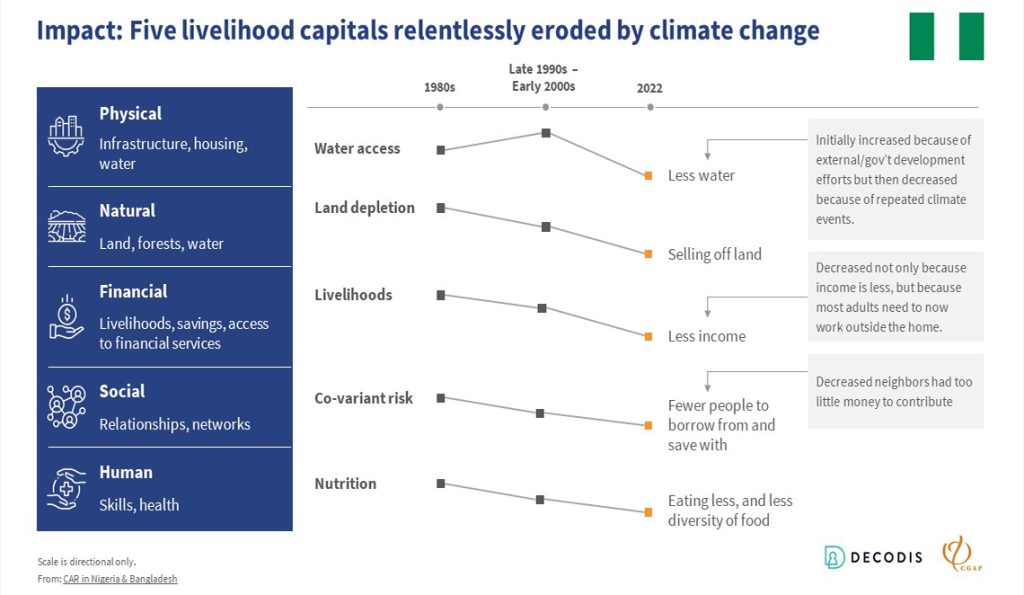
India’s particularly vulnerable tribal groups (PVTGs) face severe climate risks, which range from erratic rainfall to depleting ecosystems. They threaten their forest-based livelihoods and health. MSC engaged directly with people from the Juang, Korwa, and Sahariya communities across three Indian states to understand their challenges and identify actionable adaptation strategies. Our findings show that traditional coping mechanisms are no longer sufficient, and community-driven adaptation plans must be paired with support from local governments, CSOs, and financial institutions for long-term resilience.

Read the full report to explore insights and solutions.

Enabling an Open-Source AI Ecosystem as a Building Block for Public AI

As artificial intelligence rapidly reshapes our world, ensuring its development is fair, transparent, and inclusive is more important than ever.

This policy brief advocates for investments in open-source AI as a public good. It presents a roadmap for the G7 to build a competitive and responsible AI ecosystem through four key policy recommendations: expansion of open access to data, support for sustainable governance, policy alignment across nations, and local capacity building.

Read on to know how the G7 can shape a more open, fair, and future-ready AI ecosystem.

To fight climate change, India must tap into its indigenous roots

India’s tribal communities, long reliant on traditional knowledge, are struggling as climate change outpaces their ability to adapt. Erratic rains, shrinking forests and soil loss threaten not just livelihoods but entire ways of life. Locally-led adaptation offers a way forward by placing communities at the centre of climate action. Grassroots efforts — like Nagaland’s Zabo system and Gujarat’s Bhungroo method — show promise. Scaling such models through programmes like PM JANMAN could strengthen climate resilience, if grounded in community voices.

The Bhil community in the Narmada district of Gujarat used to pray for rain as their village endured long dry spells for months. Yet these days, they pray for the rain not to come all at once. When the skies do open, they flood their fields, only to give way to prolonged dry spells that leave behind cracked soil and a failed harvest. What changed was not just the weather but how little help they had to deal with it. This story is similar to other tribal communities, the context may change from rainfall to excessive heat or droughts.

The lives and cultures of tribal communities across India are tied inextricably to nature. Today, people from these communities are increasingly fighting an uphill battle with climate change’s devastating impacts. When forests shrink, soil erodes, and rainfall patterns go haywire, they do not just lose crops and wage labour, they lose sacred rituals, ancestral knowledge, and the very landscapes that have shaped their identities for centuries.

For generations, these communities relied on traditional wisdom to adapt to shifts in climatic patterns, but the scale and speed of today’s climate shifts outpace those adaptation methods. Reading the skies to predict climate events is failing as weather becomes increasingly unpredictable. Shifting cultivation cycles no longer match erratic weather patterns and the soil depletes faster than it regenerates.

Rainwater harvesting, once reliable, fails amid prolonged droughts. Meanwhile, seasonal migration for work, which was once a temporary fix, is becoming permanent displacement for these people at the margins. Their valiant attempts to diversify livelihoods through craftwork, small-scale trade, or agroforestry have uncertain returns due to a shrinking resource base and the volatile nature of markets.

This is where locally-led adaptation (LLA) matters—not as a policy buzzword but as a lived reality. LLA flips the usual development paradigm. Instead of experts designing solutions in conference rooms, it puts communities at the center because they understand their land better than any outsider ever could. And then let the stakeholders pick the right strategy, including financial support.

Globally, this approach is gaining ground. In Vietnam, CARE restored mangroves by establishing community-based mangrove management boards that coordinated planning and planting activities at the community level. In the USA, the Bureau of Indian Affairs (BIA) funds tribal governments to develop climate adaptation plans rooted in Indigenous knowledge and priorities. In Australia, Aboriginal ranger groups combine ancient fire management practices with modern science to manage their lands with fire.

We need not look far. In Nagaland, the Chakhesang tribe restored soil fertility, sustained water availability, and tripled crop yields through the adoption of the Zabo system. Zabo is a century-old indigenous integrated farming method that combines water harvesting, forestry, animal husbandry, and agriculture.

There are a few other experiments led by non-tribal communities that bear some important lessons for mainstreaming LLA for climate action. One such noteworthy example is from Gujarat, where women used the Bhungroo water management system to combat seasonal waterlogging and severe droughts. This system stores floodwater underground and releases it during dry periods. To maximise farm productivity, they planted climate-resilient crops and applied modern irrigation techniques. On the social side, this intervention enabled female farmers to lead adaptation efforts and gain economic independence.

In another effort, the Government of Uttar Pradesh has developed action plans for 43 ‘Climate Smart’ Gram Panchayats (GPs), identified through a multi-criteria assessment in highly vulnerable districts. To take this to the national level, Niti Aayog is running an ongoing program with Vasudha Foundation.

Similarly, KILA (Kerala Institute of Local Administration) has supported local governments in Kerala to develop and implement Local Action Plans on Climate Change (LAPCCs)- which are blueprints for communities to tackle climate change challenges and transition towards sustainable and resilient futures.

These examples worked because they respected indigenous knowledge and practices and gave locals the tools, voice, and flexibility to adapt that knowledge to new threats. Replicating such success stories is not easy, but the moment is ripe. The Government of India’s INR 24,000 crore PM JANMAN program is a great opportunity to scale this approach. The program focuses on the socioeconomic development of 75 particularly vulnerable tribal groups (PVTG) across the country.

What makes efforts like JANMAN, Climate-smart GPs, LAPCC and other examples illustrated here different is that they signal a shift from doing things for local communities to doing things with them. While some of them work directly with the community, others work through the local institutions like GPs.

And the early signs are promising: The program adopts inclusive decision-making, community-driven planning, local capacity-building, flexibility and learning. However, the test lies in its execution. If these programs can integrate the locally led adaptation approaches, using local institutions like GPs as levers, it could transform the resilience of the local communities to climate change.

The blog was first published on Firstpost on 22nd April, 2025

Wings to Aspirations

Ten years on, MUDRA Yojana has sparked a quiet revolution—fueling small dreams with big impact, empowering women, uplifting villages, and proving that access to credit can rewrite India’s entrepreneurial story

While loan disbursement figures are impressive, MUDRA’s real success lies in its inclusivity

Almost 68 per cent of loan accounts belong to women, and about 51 per cent of the borrowers are from scheduled castes, scheduled tribes, and other backward classes

On a quiet morning in Manikpur village, Bihar, Ruby Devi watched as local dairy farmers lined up outside her milk collection centre. Not long ago, these farmers had to sell milk at Rs 40 per litre through intermediaries. However, that changed when Ruby secured a loan worth Rs 1.5 lakh through the Pradhan Mantri Mudra Yojana (PMMY). With the funds, she set up a collection centre that allowed farmers to sell their milk directly for Rs 55 per litre, which boosted their income by 30 per cent.

The MUDRA loan did not just fund Ruby’s business— it gave her the power to set the terms of trade in her village and improved the lives of 30 families there. Over the past decade, the PMMY has enabled thousands of microentrepreneurs like Ruby to overcome financial barriers and build sustainable businesses.

As the PMMY marks a decade since its launch on April 8, 2015, assessing its impact on India’s economic empowerment becomes imperative. The scheme, designed to “fund the unfunded,” has disbursed collateral-free loans to micro and small enterprises to address a critical gap in financial inclusion. PMMY has undeniably expanded opportunities for small businesses with more than 51.67 crore loan accounts till January 24, 2025 and a growing preference for higher loan amounts. But has it done enough to propel India’s microentrepreneurs forward?

Micro and small enterprises (MSMEs) are often hailed as India’s “growth engine,” as these encompass 6.33 crore enterprises, contribute nearly 30 per cent to the GDP, and employ millions. Yet, the biggest hurdle for these enterprises has been access to finance. High processing costs, complex documentation, and a lack of collateral have historically locked out small entrepreneurs from the formal banking system.

PMMY sought to change this. It established the Micro Units Development and Refinance Agency (MUDRA) to facilitate lending through banks and non-banking financial institutions. Through MUDRA, the government created a structured pathway for microentrepreneurs to access capital.

The scheme’s three-tiered loan structure—Shishu (up to INR 50,000), Kishore (INR 50,001 to INR 5 lakh), and Tarun (INR 5 lakh to INR 10 lakh)—ensured that businesses at different growth stages could secure funding. Recognising the evolving needs of entrepreneurs, the government introduced a new category, Tarun Plus, in 2024 to offer loans up to INR 20 lakh.

While loan disbursement figures are impressive, MUDRA’s real success lies in its inclusivity. Almost 68 per cent of loan accounts belong to women, and about 51 per cent of the borrowers are from scheduled castes, scheduled tribes, and other backward classes. This is social empowerment in action.

Moreover, MUDRA loans have played a crucial role in job creation. A Ministry of Labour and Employment survey estimated that PMMY generated 1.12 crore net additional jobs between 2015 and 2018. The scheme has also facilitated digital financial inclusion through the MUDRA Card, a debit card linked to loan accounts that allows borrowers to manage working capital efficiently.

Despite its successes, PMMY is not without challenges. Northeast India, for instance, accounts for only 4 per cent of total loan accounts, which indicates a need for greater outreach in underserved regions. Many potential borrowers remain unaware of the scheme or struggle with cumbersome application processes.

While the loans’ collateral-free nature makes them accessible, it also raises concerns about credit risk. However, improved monitoring has helped reduce non-performing assets (NPAs). Public sector banks’ NPA in the MUDRA category declined to 3.4 per cent in fiscal 2023-24 from 4.77 per cent in FY 2020-21. Similarly, private sector banks’ NPA dropped to 0.95 per cent during the same period.

For PMMY to fulfill its potential, the government must simplify documentation, expand digital loan processing, and enhance financial literacy to promote responsible borrowing and timely repayment. Reducing state-imposed costs, such as stamp duties and rent agreement charges, will further ease the financial burden on small businesses. Additionally, using digital tools for early detection of financial distress can prevent defaults and ensure long-term sustainability.

As India strives for “Viksit Bharat” by 2047, financial inclusion will remain key to fostering an entrepreneurial and self-reliant economy. MUDRA has shown that a small loan can make a big difference. However, it must go beyond disbursing credit to ensure India’s smallest entrepreneurs thrive and prosper.

The blog was first published on Pressreader on 8th April, 2025

How can India fulfil her inclusive development dream?

The Hon’ble Prime Minister has repeatedly emphasized the need to ensure that the benefits of development programs reach all sections of society, particularly the most vulnerable individuals.

Efforts to drive development at the grassroots level have been made through initiatives such as the Aspirational Districts Program and the recently launched Aspirational Blocks Program. The latter aims to enhance government services in 500 Blocks across the country in health, nutrition, education, water and sanitation, agriculture, financial inclusion, and basic infrastructure. The block and gram panchayat are foundational elements of the overall structure of the federal administrative structure. At the local and panchayat levels, administrative officers hold responsibility for executing government schemes and programs. However, implementing several projects, each with its own distinct challenges, places a heavy burden on officers operating at different levels—each with different capabilities.

This note is based on our experience of working at various levels, ranging from the district to the gram panchayat level. It emphasizes three critical factors for implementers to effectively oversee development initiatives in line with the government’s goal of successful implementation and desired outcomes for welfare programs.

1) Driving inclusivity

Inclusivity in a scheme design or implementation is not a default virtue. It may overlook the most vulnerable and marginalized groups, including women, who may not have access to or may not be reached by these programs.

Strengthen Gram Panchayat Development Plan

To ensure inclusivity in program implementation, targeting multiple specific groups and setting goals for each is essential. The gram panchayat (GP) officials who are elected every five years need to be taught to be data-driven and inclusive. Such training works for GP officials, who can draft better need-based and local context-specific Gram Panchayat Development Plan (GPDP). Specific provisions are made in the XVth finance commission for GPDP regarding the allocation of funds to rural local bodies, the formation of State Finance Commissions (SFCs) in all states, and the appointment of nodal officers and facilitators to prepare plans. Much stress has also been given to data collection, analysis, and updating the GPDP and other related portals.

Involve groups in the planning process

To drive inclusivity, it is crucial to involve women Self-help Group members, farmer producer groups, and youth groups and utilize their increasing influence within their communities. With a collective reach of over 80 million women, SHGs hold a more excellent hold in the community than others. SHG in many states (such as Bihar’s JEEViKA and Kerala’s Kudumbashree, to name a few) are successful examples of SHG-led initiatives that various departments trust to implement schemes and reach out to communities.

2) Building implementer’s capacities 

Cultivate an outcome-focused mindset

Implementers’[1] work with the output mindset, focusing on short-term results. These achievements feed into performance evaluation and appraisals, reinforcing the attention to output. However, their focus can be expanded through coaching and training to include outcomes.

The central ministries are collaborating with NITI Aayog to develop strategic plans and align them with the Output Outcome Framework. Yet, for this approach to be successful, knowledge and capacities must also be built, and insights from lower levels must be gathered by including those directly accountable for implementing the plan.

Encourage data analytics and data reporting

Data-driven decision-making is crucial for both inclusive targeting and effective implementation. It is essential for district officers to utilize data for decision-making and to enhance their skills in three key areas: first, understanding the significance of quality data; second, being able to collect and utilize disaggregated data (based on geography or gender); and third, skilfully employing data in the decision-making process concerning their development programs.

3) Fostering community engagement

Push for Jan Bhagidari

Community engagement, or Jan Bhagidari, is crucial for the success of development programs. Unless the community owns its development agenda (think education, sanitation, nutrition, health, digital payments) and makes complementary efforts, it will be easier for development programs to achieve outcomes. By working with volunteers and leveraging behavior change communication, implementers can engage the community to design and execute activities, assess needs, create awareness, and drive behavior change. However, for implementers, this requires proper selection of community volunteers, setting expectations, creating a supervision and support structure, engaging public representatives and influencers, and continuous support from development partners. We have witnessed that =incorporating the spirit of competition through incentivizing performance motivates the community and its representatives to achieve goals and promote excellence.

Streamline working with development partners

Development partners (including multilateral and bilateral agencies, donors, philanthropies, technical agencies, non-governmental organizations, and civil society organizations) often need to be more utilized by district officials. Their engagement can be more effective when development partners are assigned distinct roles and specific responsibilities with set targets and are held accountable for their work. Moreover, development partners can contribute to skill and knowledge transfer by conducting training programs for implementers and the community.

Overall, the Government can fast-track inclusive development by involving the community development partners, building implementers’ capacities towards an outcome-oriented and data-driven approach, and pushing for inclusivity in implementation.

[1] By implementers, we mean district/block-level officials