
In order to understand how poor people save and the relative risks involved, MicroSave conducted a study in three different Indian states – Rajasthan, Uttar Pradesh, and Tamil Nadu this past year. This paper highlights learning from Rajasthan.
Blog
Relative risk to the savings of the poor in Tamil Nadu
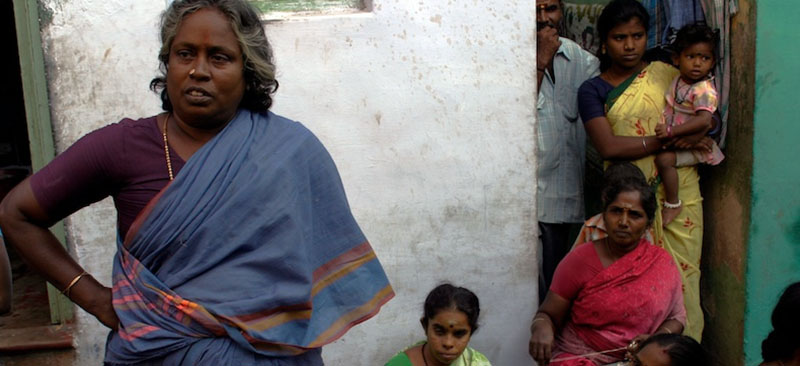
In order to understand how poor people save and the relative risks involved, MicroSave conducted a study in three different Indian states – Rajasthan, Uttar Pradesh, and Tamil Nadu this past year. This paper focuses on Tamil Nadu.
Optimising agent networks in Uttar Pradesh
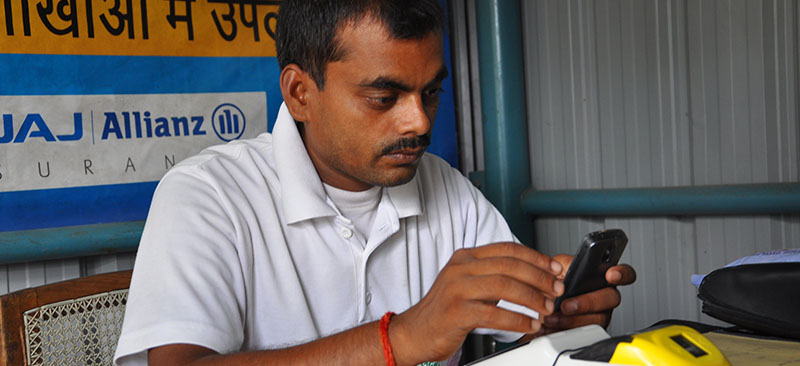
This study explores following questions:
- Where and how do low-income households want to make deposits, withdrawals, payments and other financial transactions? What works best for them, what does not work, and why?
- What other issues are important to inspire trust and feel their money is safe with a BC?
- From the BCs’ point of view, what is realistic? How can their numerous current difficulties serving a diverse and widespread clientele be improved?
- Should BC banking services be expanded to include airtime recharge shops, pharmacies, grocery and their extensive networks?
- How do customers feel about the suitability of such venues and overall trustworthiness of such agents?
The Andhra Pradesh Crisis: What Should The Government Do?
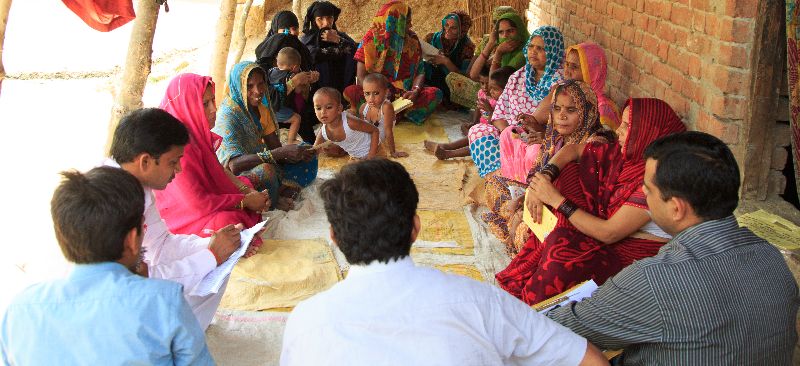
This note examines what the government should do in the wake of the Andhra Pradesh Crisis. It highlights that first and foremost, the government should recognise that the MFIs have provided valuable credit-led financial inclusion, and that the SHG movement is not a panacea. The note notes the importance of banking correspondence as the key to full, diversified financial inclusion. The note also recommends against interest rate caps, and suggests that caps on returns on equity, improved approaches to priority sector lending regulations and responsibility delegated to a combination of the banks financing the MFIs and an empowered industry association would better guide rather than suppress the market.
Agent Networks Mobile Money Mobile Banking Series Part 2
In this video Clara Veniard, Associate Program Officer, Bill & Melinda Gates Foundation, explains the agent network model. She explains the various revenue models for the agent and the transaction fee models for customers. Clara notices that the key challenge has been building a model based on transactional revenue source – moving away from float or monthly fee based revenue model into one that is based on transaction. Having transaction based model is necessary to expand the market that requires a strong agent network.
Mobile Banking: Agent Networks Part 1
In this video series-1, Clara Veniard, Associate Program Officer, Bill & Melinda Gates Foundation, talks about a bank-led agent model where the customer proposition and the channel are controlled by the bank.