Living on the edge: The impact of extreme temperatures on Delhi’s informal communities

Multiple cities in India’s northern and eastern regions experienced maximum temperatures that exceeded 44°C this year. The National Capital Region of India is currently reeling from heatwave conditions where temperatures have crossed 45C. Extreme heat disproportionately impacts vulnerable people’s lives and livelihoods particularly those who live in informal settlements in urban areas of the developing world.

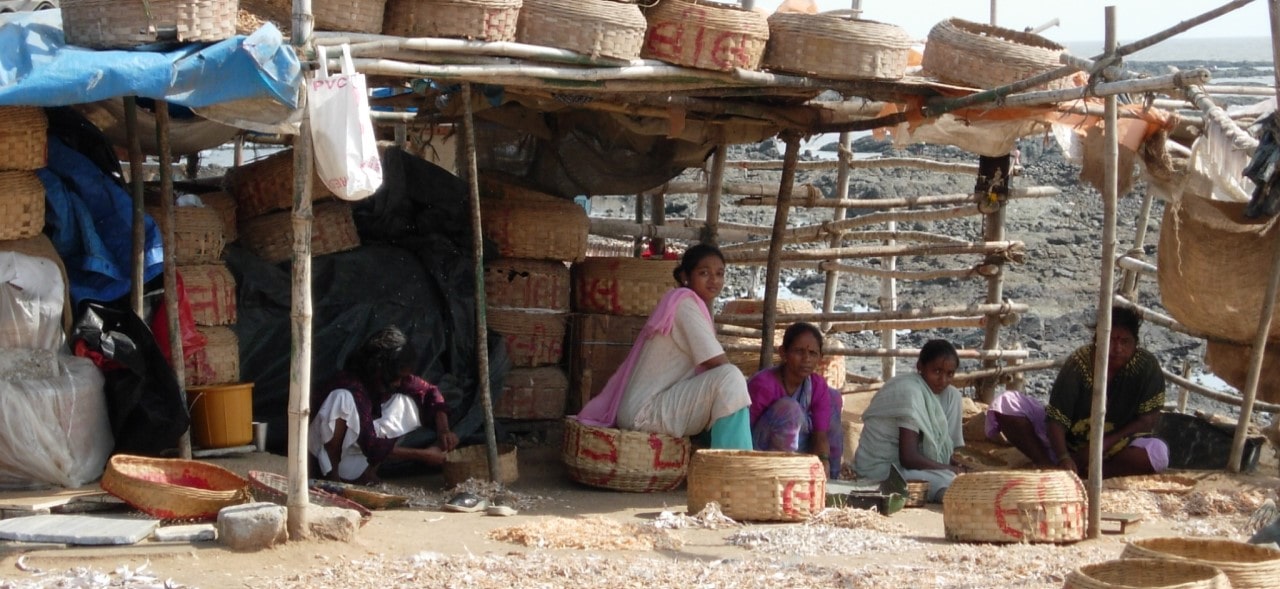
18-year-old Aasha is part of the informal Gadia Lohar settlement situated by the main road in Chirag Delhi, a densely-populated urban village in South Delhi. Aasha says the relentless heat has made her life unbearable and intensified existing health issues for the past few summers. It has made simple tasks, such as finding potable water and other purposes, a daily ordeal.
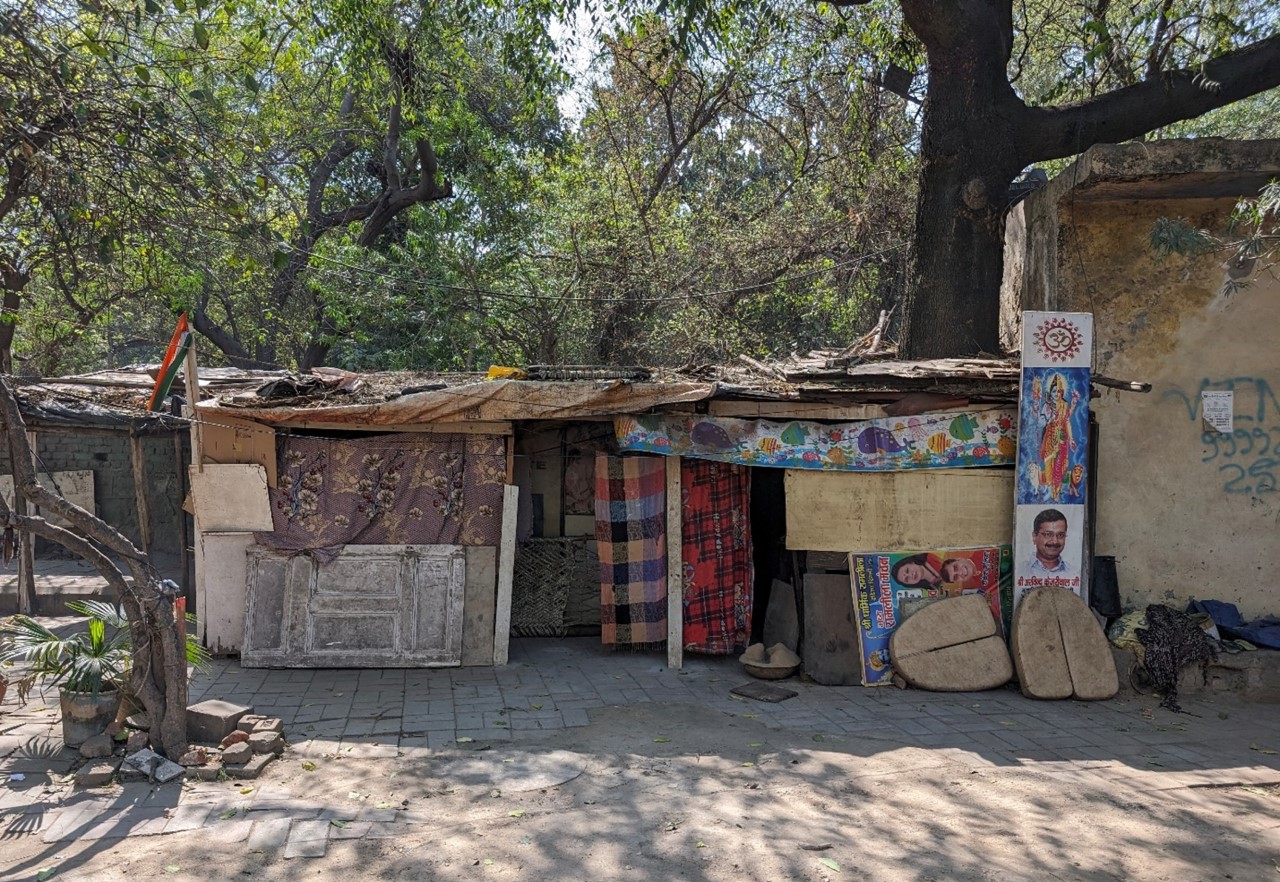
Figure 1: Kutcha (makeshift) house in an informal Gadia Lohar settlement

Aasha and her community have to buy costly bottled water or fetch it from distant sources due to the lack of a formal water supply. Despite her efforts to address the water crisis through complaints to the Delhi Jal Board (Delhi’s water supply department) responsible for the production and distribution of drinking water, little was done. Sanitation is also a critical challenge. Her community has limited access to clean toilets and water, which impacts women’s health in particular. They source electricity illegally from nearby poles but cannot use it to run fans or coolers since it is unstable. Their makeshift “kutcha” houses, with tarpaulin roofs and tin walls, trap heat during the scorching summers. This makes indoor temperatures unbearable and forces the family to sleep outside despite safety risks.

Aasha’s story is not unique and mirrors the struggles of countless other informal settlement residents across the National Capital Region (NCR). The absence of basic facilities and extreme weather hazards make daily life a relentless battle.
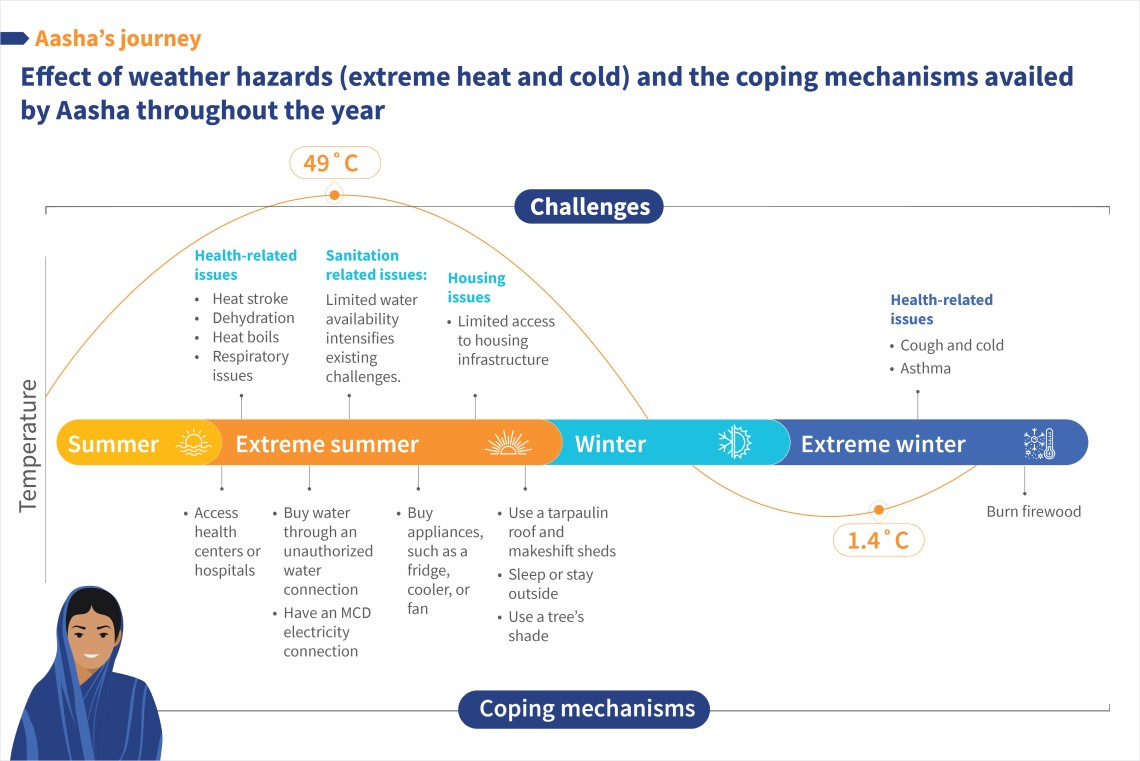
Figure 2: Aasha’s journey

Studies indicate that Delhi has been experiencing “dangerous” heat index levels. The latest Intergovernmental Panel on Climate Change (IPCC) report, 2023, highlighted that climate change adversely impacts human health, livelihoods, and key infrastructures in urban areas, particularly for economically and socially marginalized informal urban residents. These groups remain at a greater risk of dehydration, heat cramps, and heat exhaustion, especially during heat waves, which can lead to more severe conditions if not treated promptly.

In its white paper, “Enabling and financing locally-led adaptation,” MSC emphasizes why it is important for policymakers and stakeholders to adopt a holistic systems approach to address the impact of extreme heat on vulnerable communities. Large-scale climate events affect individuals and critical components of the broader system, such as communities, hospitals, and infrastructure. Understanding the drivers of resilience at the individual, community, state, and national levels, can enable us to identify effective interventions that cater to the needs of vulnerable populations.

MSC conducted a study on the impact of extreme temperatures on Delhi’s informal settlements to uncover their experiences in dealing with the impacts of extreme heat. Our study’s findings underscore the impact of extreme temperatures on marginalized communities and highlight their existing struggles with poverty and living conditions. Heat waves exacerbate physical, health, economic, and social challenges due to congested and poor living conditions and their informality.
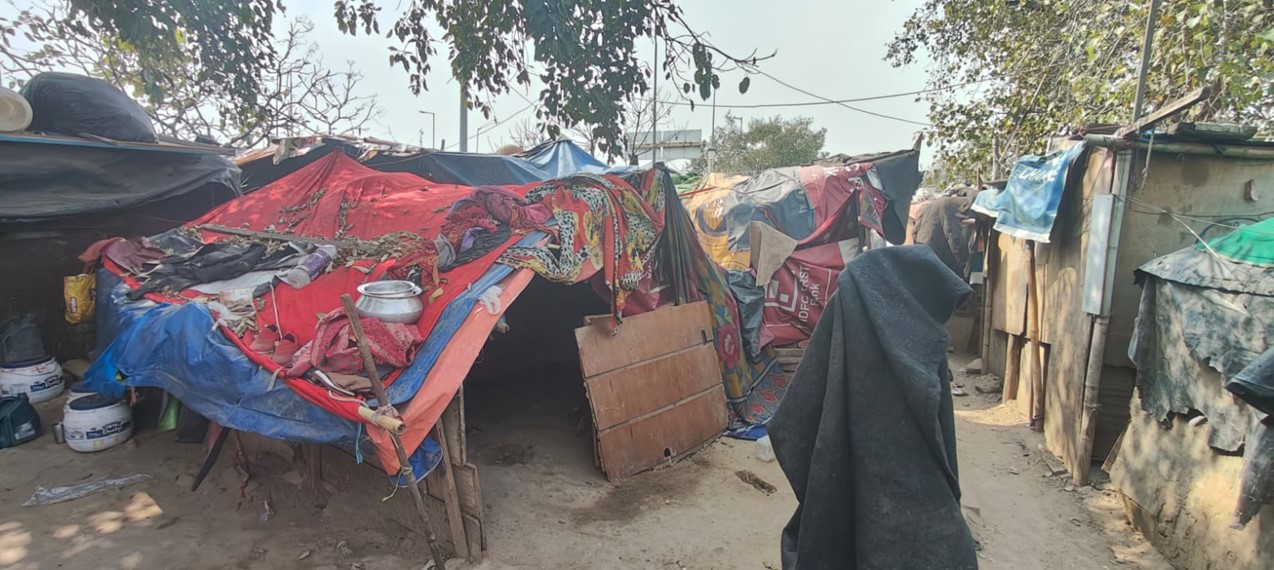
Figure 3: Jawahar Lal Nehru Stadium informal settlement

*MSC’s study, using our flagship MI4ID training approach, collected data from respondents in focus group discussions across seven informal settlements in the NCR.

We uncovered the residents’ limited coping strategies in the face of extreme heat. Short-term strategies people adopted were to cover roofs with wet quilts, seek shade under flyovers and trees, stay hydrated, and take frequent breaks, particularly for physically demanding outdoor jobs. Residents cooked multiple times to prevent food spoilage, often during the early hours of the day.

However, their informality was a constant source of vulnerability. When residents use tarpaulins for shade outside their houses during extreme heat, municipal authorities accuse them of encroachment. The informal residents we spoke to also struggled to invest in solutions, such as pucca houses and electrical appliances, among others, to address the longer and medium-term impacts of climate change on their lives and livelihoods.

Their urgent and immediate focus was to meet basic needs, like food, water, and shelter. They struggle to survive against the elements due to various problems that range from water scarcity and inadequate sanitation to subpar housing and health risks. The impacts of climate change, compounded by poverty and urban inequality, exacerbate their vulnerabilities and affect their health, economic stability, and overall well-being.
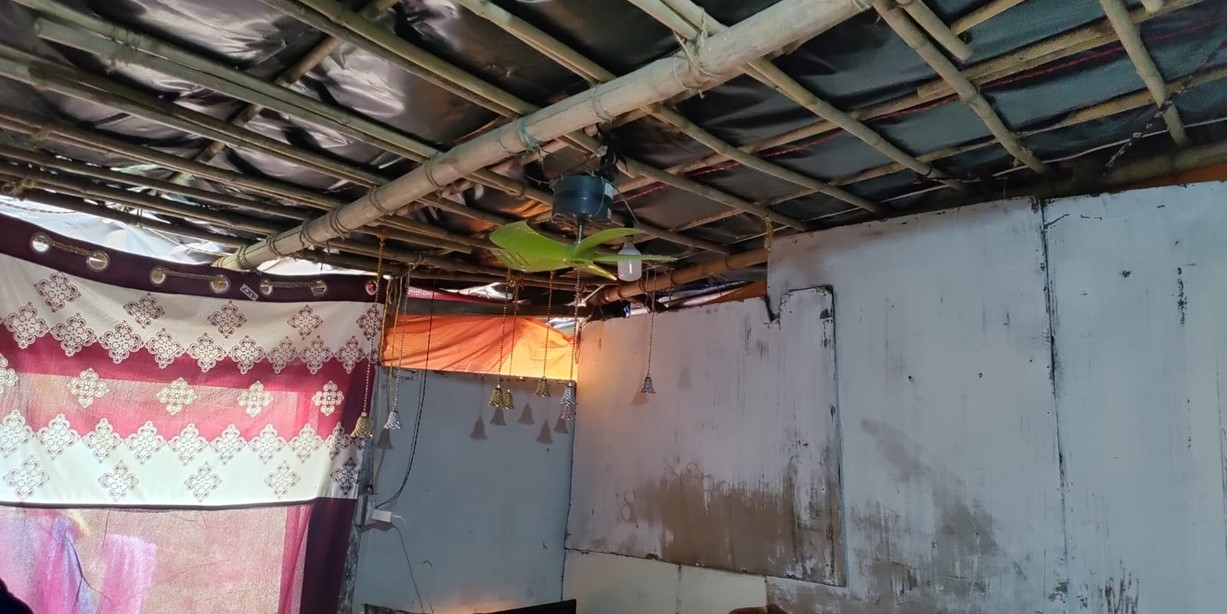
Figure 4: A small fan in a settlement house helps combat extreme heat

The impacts of extreme heat on informal urban residents require dedicated interventions to provide sustainable cooling solutions and support to address the immediate health and economic impacts of extreme heat. Some potential sustainable cooling solutions that could work for such communities include the following:

  • Solar-reflective paint on exteriors can lower indoor temperatures significantly;
  • Geothermal air conditioning taps into the earth’s stable temperatures for cooling;
  • Cool roofs can be constructed with materials that reflect sunlight to help reduce heat absorption;
  • Urban green spaces provide natural cooling through shade and moisture release;
  • The incorporation of natural ventilation and passive cooling in built environments can help reduce internal temperatures.

These methods offer sustainable ways to mitigate global warming’s impact and enhance vulnerable informal urban residents’ resilience. However, we must meet informal residents’ pressing needs and continued sources of vulnerabilities, such as access to clean drinking water, improved sanitation facilities, and secure housing to build their resilience to extreme heat.

Municipal authorities and policymakers must recognize that resilience to climate change and improvements in overall well-being are two sides of the same coin. They must prioritize interventions that enhance and support slum communities to build resilience to extreme heat. If they understand local knowledge, risks, and practices, they can inform effective policies and interventions tailored to the needs of informal urban settlements’ residents. We require a significant change in access to public services that addresses the vulnerabilities due to informality. We must also find sustainable cooling solutions to ensure that vulnerable informal urban residents become more resilient to the impacts of extreme heat.

The Housing and Land Rights Network (HLRN), located in New Delhi, is a leading organization dedicated to research, education, and advocacy on housing and land rights. MSC acknowledges HLRN’s support in connecting with important informal settlements and community stakeholders across Delhi for the study.

Women’s informal employment in the digital economy: The Future of Work research

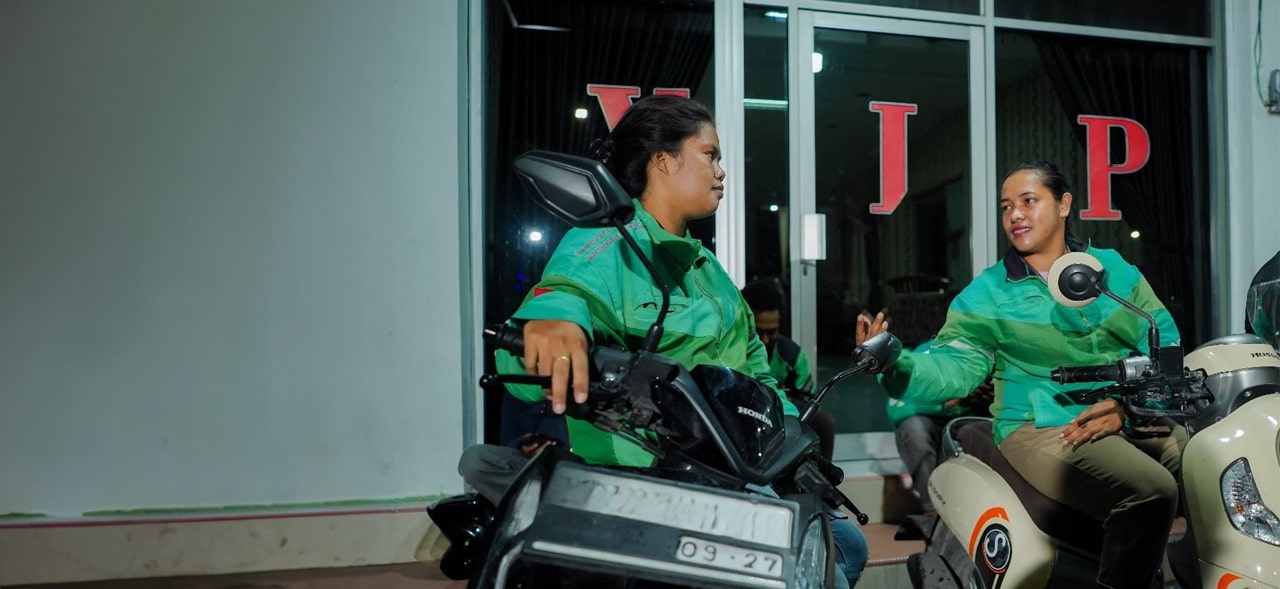
A significant gender disparity persists in Indonesia’s labor market. The country’s informal sector employs 64% of women. The diverse sector encompasses own-account workers, casual laborers, microenterprises, and street vendors. Yet the rapid digitization of informal work in Indonesia and its impact on women’s employment remain inadequately understood.

MSC conducted a comprehensive study in collaboration with the Ministry of Women Empowerment and Child Protection of Indonesia to address this gap. It sought to assess female informal workers’ accessibility and experiences in the evolving digital economy. The research was designed to capture these women’s multifaceted experiences and explore how digital trends transform their work in five key areas:

  • Women’s day-to-day realities and challenges in informal work and their experiences in informal employment;
  • Female informal workers’ access to digital financial services and their usage ;
  • The impact of societal norms and caregiving duties on women’s work;
  • Opportunities for business growth and skill enhancement available for women;
  • The availability and effectiveness of social protection measures and childcare services for informal workers.

The report is based on a survey of 400 female workers across nine Indonesian provinces. It presents actionable recommendations for government ministries, civil society organizations, and public and private sector entities.

The report analyzes barriers women face throughout their employment lifecycle. Female informal workers can fully engage in the job market and benefit from it if they overcome these barriers. This would foster a more equitable labor market and, in turn, enhance female labor force participation rates in Indonesia.

Here are the links to the reports:

1) Click here to download the full report in English.

2) Click here to download the report’s summary in Bahasa Indonesia.

Sathi Network: A Pathway to Women’s Economic Empowerment through Financial Inclusion

We organized a webinar titled “Sathi Network: A Pathway to Women’s Economic Empowerment through Financial Inclusion,” which was held on 20th May 2024. The discussion featured a panel of experts from leading FinTechs, banks, regulators, and philanthropic organizations worldwide . Their conversation focused on the following:

  1. Ideas to reduce the gender gap in financial inclusion,
  2. How agent networks can accelerate financial inclusion, and
  3. The role of DPI in women’s economic empowerment

Panelists:

Dr. Md. Habibur Rahman, Deputy Governor, Bangladesh Bank

Arisha Salman, Financial Sector Specialist, CGAP

Syed Abdul Momen, Deputy Managing Director & Head of SME Banking, Brac Bank PLC

Sasidhar N. Thumuluri, Managing Director & Chief Executive Officer, Sub-K Impact Solutions

Arjun Venkatraman, Program Officer, Digital, the Bill & Melinda Gates Foundation

The role of finance in unlocking Kenya’s electric-motorcycle (e-boda) subsector’s growth

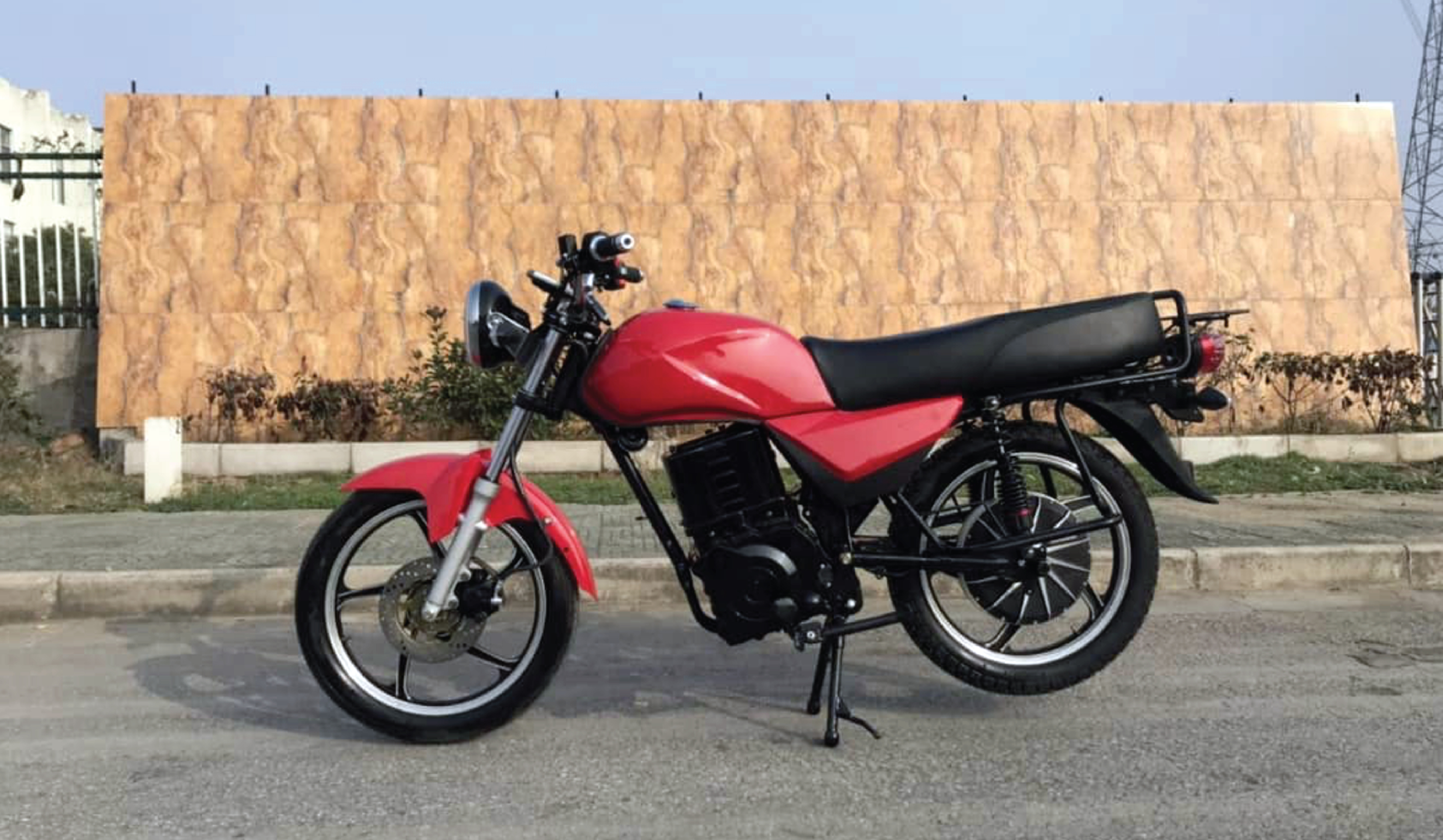
Martin and Joseph are nano-entrepreneurs in Nairobi. They are actively engaged in the transport sector. Martin ferries individuals and cargo on his boda for a living. A local financial institution finances his boda, which runs on a traditional internal combustion engine. He decided against an e-boda (electric motorcycle) due to his counterparts’ negative experiences with the first-generation e-bodas. His business was brisk until 2020, when COVID-19 shutdowns led to reduced demand for nano-entrepreneurs.

As time went on, the war in Ukraine and other macroeconomic factors further challenged Martin’s situation. Today, the prevailing inflation, high interest rates, and rapid currency devaluation in Kenya make it difficult for Martin to operate. He struggles to make timely repayments against his loan and run his motorbike due to fluctuating fuel prices. He also cannot upgrade his aging boda due to higher financing and replacement costs.

In contrast, Joseph entered the transport business in late 2023 and bought an e-boda from a leading e-mobility provider. His transition was smooth. He could save USD 6 daily on fuel costs—more than 50% of his earnings. Moreover, the superior quality of the current fleets made his maintenance costs negligible. His transition immediately increased his daily profit and boosted his resilience after the period of economic turbulence.

Today, Joseph travels about 80 kilometers on a fully charged battery and pays USD 1.42 to swap out his battery at charging stations. These stations have been rapidly growing across the city. Joseph is an ardent supporter of e-bodas. He has persuaded others within his chama to transition despite challenges, such as high upfront costs, costly credit terms, limited charging stations, and persistent fears around the perceived unreliability of e-bodas.

Martin is among Africa’s 27 million boda operators—a sector poised to grow by 50% by 2050. This growth would result in increased traffic congestion and more traffic accidents, such as injuries and fatalities. The sub-sector with the exception of e-bodas would also contribute to higher  emissions and poor air quality. In comparison to the globe, the growth of Africa’s global electric vehicle (EV) market share has been slow. EVs are expected to contribute less than 2% of the global market by 2029. Despite the small market share occupied by Africa, there has been recommendable growth within each country. For instance, around  40 e-boda startups have emerged in Kenya and raised USD 52 million—a first for the continent. Each e-boda provider offers unique products, distribution, and payment models to capture the internal combustion engine market. Yet e-mobility adoption remaings slow despite interventions focused on awareness, quality, finance, technology, infrastructure, and policies, as revealed in MSC’s interviews with industry players. Our teams spoke to representatives from organizations, such as ARC Ride, Auto Truck East Africa Limited, Knights Energy, and KIRI EV.

Finance as a driver of uptake 

Improvement in access to finance on both the demand and supply sides is pivotal to drive e-bodas’ uptake. Until recently, financial service providers were unwilling to finance the purchase of e-bodas due to their unfamiliarity with the segment and the unproven nature of the solutions. However, this has been changing due to the emergence of quality solutions, tracking, and lock-out technology.

M-KOPA, Mogo, Watu, and Fortune Credit are public examples of organizations that lead the charge with innovative business-to-business (B2B) and business-to-consumer (B2C) payment and financing models. Yet the cost of financing remains elevated despite these efforts. In February 2024, the Central Bank of Kenya reported that commercial interest rates were as high as 15.88%—the highest in the past five years.

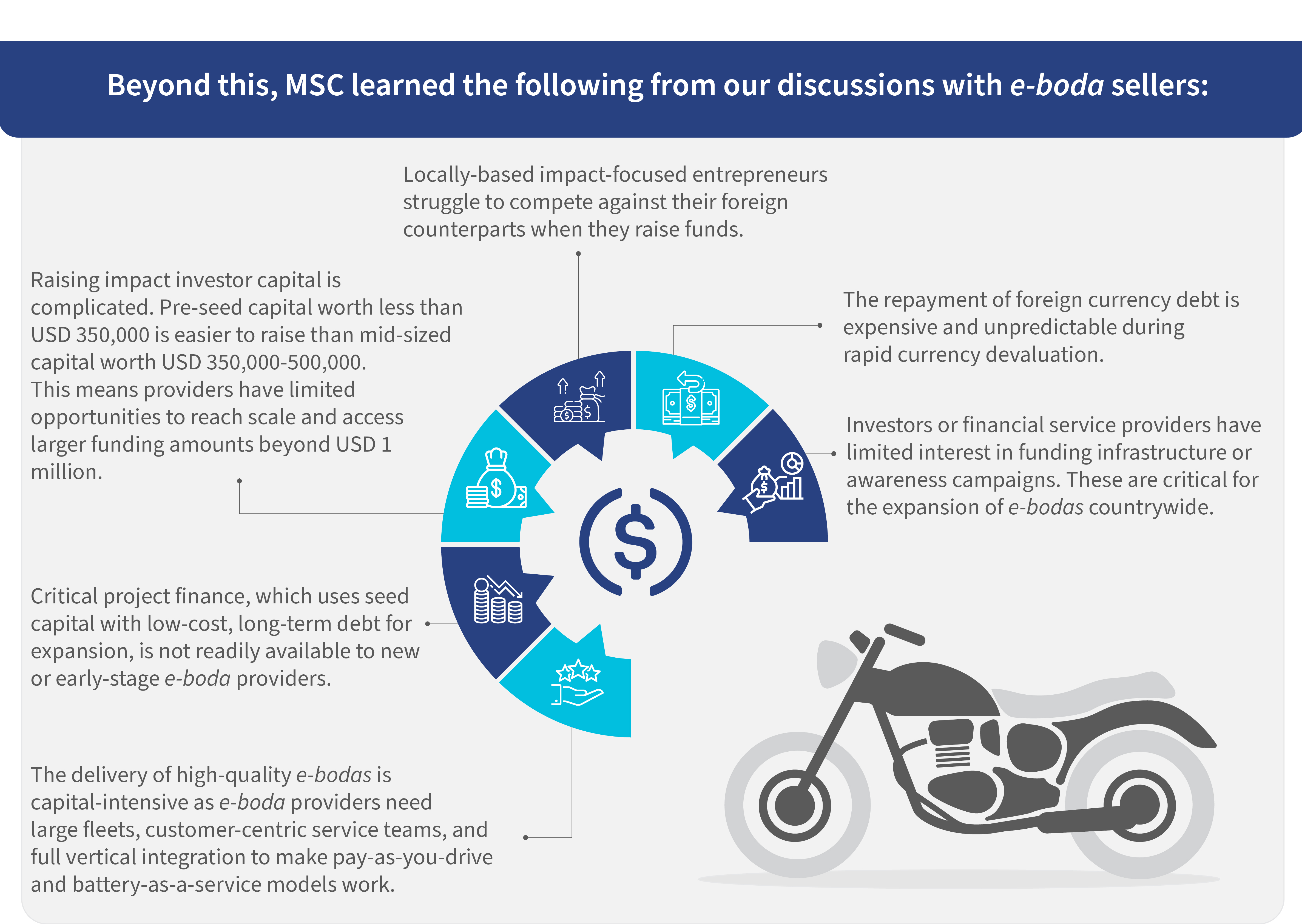
Beyond this, MSC learned the following from our discussions with e-boda sellers:

MSC’s recommendations to address financing challenges

Based on our assessment of the financing challenges, MSC recommends the following solutions to unlock financing constraints:

1. Use blended financing solutions. These solutions can crowd in funds from state and non-state resources at cheaper rates to reduce adopters’ borrowing costs. These solutions also increase working capital facilities for credit providers, minimize risks associated with foreign currency volatility, and inject liquidity into providers’ operations.

SDG-focused patient capital providers, such as international investors or donors, can be involved to provide this cheaper capital to local financing entities. MSC worked on the EVOLVE RSP Project, which provided partial credit guarantees and concessional loans to promote two- and three-wheelers in India. Africa can replicate this approach.

2. Use green financing instruments to build infrastructure and help popularize e-bodas countrywide. The Kenya Green Bond Programme and the county green finance assessment program by FSD Kenya exemplify how debt instruments can support real economic growth in a climate-responsive manner.

Moreover, funds from these instruments can meet the growth needs of mid-sized e-boda providers, promote quality assurance, and enhance market awareness. These can also drive industry innovation, support technology advancements, and offer results-based incentives to spur growth and promote inclusivity in a male-dominated sector that has barred women’s participation due to cultural and safety concerns.

3. Develop digital solutions that support credit appraisal, disbursement, and repayments. These solutions can also support product tracking, reverse logistics, and lock-out technologies in case of default. Digital products can drive accessibility, affordability, and convenience among nano-entrepreneurs while they incentivize climate-smart behavior adoption if combined with innovative climate financing solutions, such as carbon credits.

A telematics device in each vehicle can reduce finance risks when asset finance instruments are used. These devices track performance, calculate carbon credits, and estimate potential revenues generated.

Despite challenges, Kenya’s e-boda subsector is poised to take off rapidly. This subsector provides significant opportunities for economic growth and environmental benefits as it reduces greenhouse gas emissions. However, the subsector’s success hinges on the availability of innovative financial instruments.

Joseph’s experience showcases the progress made in the delivery of demand-side financing solutions and the economic benefits that accrue to nano-entrepreneurs. The critical role of innovative financing cannot be overstated. Solutions, such as blended finance, green finance, and digital solutions, are vital to lower entry costs, enhance e-boda businesses’ viability, and provide sustainable mobility. This is critical if Kenya intends to successfully introduce more than 1 million e-bodas by 2030.

External contributors include the following industry experts:


Accelerating e-mobility adoption in Kenya

Community matters: Building and nourishing peer groups to bridge the mentorship gap among women-led businesses

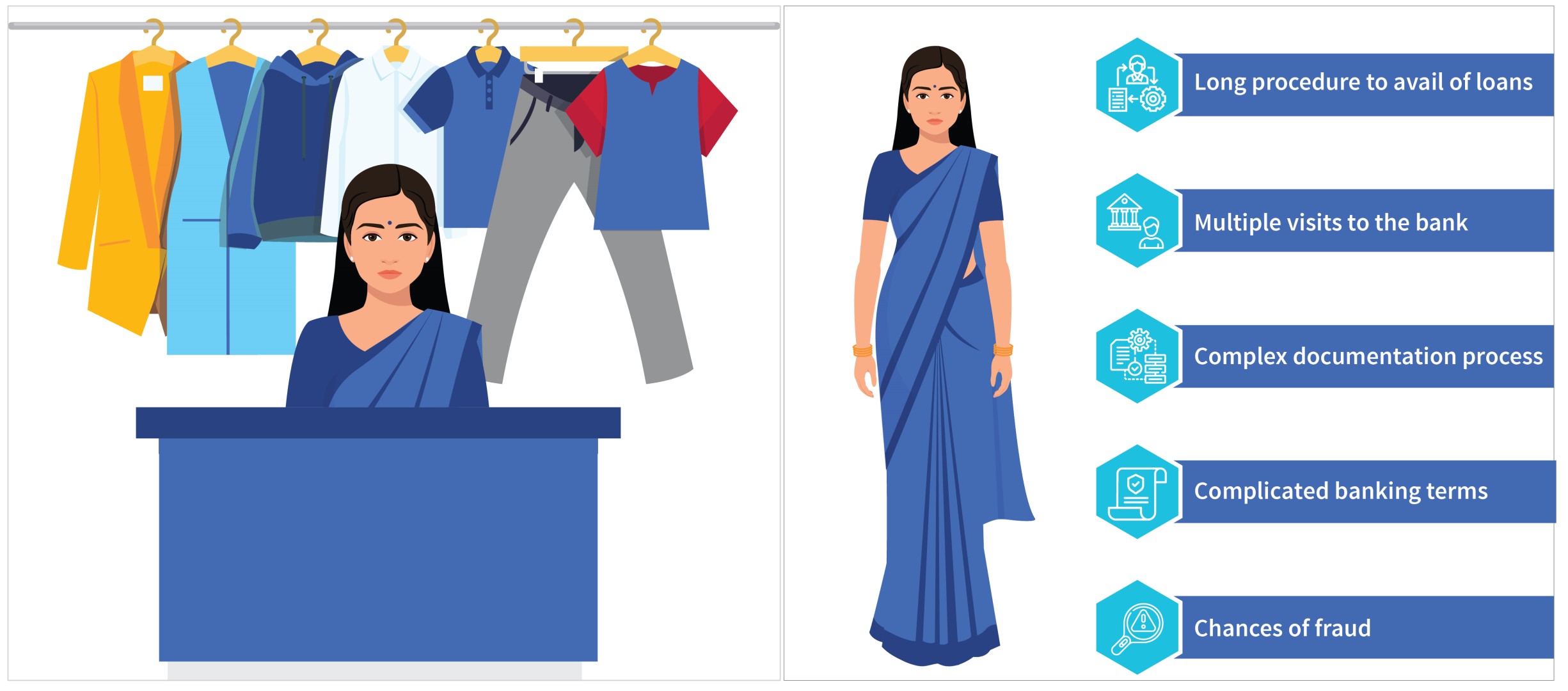
“I wanted to buy two sewing machines for my tailoring business and reached out to my nearest bank branch for a loan. The bank officials gave me a list of documents I must submit to initiate the loan process. However, I did not understand the listed documents and where to obtain them. I tried to contact bank officials but did not receive adequate support. I am unsure what to do next,” sighs Pragna, a 32-year-old woman entrepreneur from Hyderabad, India who runs a tailoring business.

Fig 1: Pragna’s desire versus the current ordeal

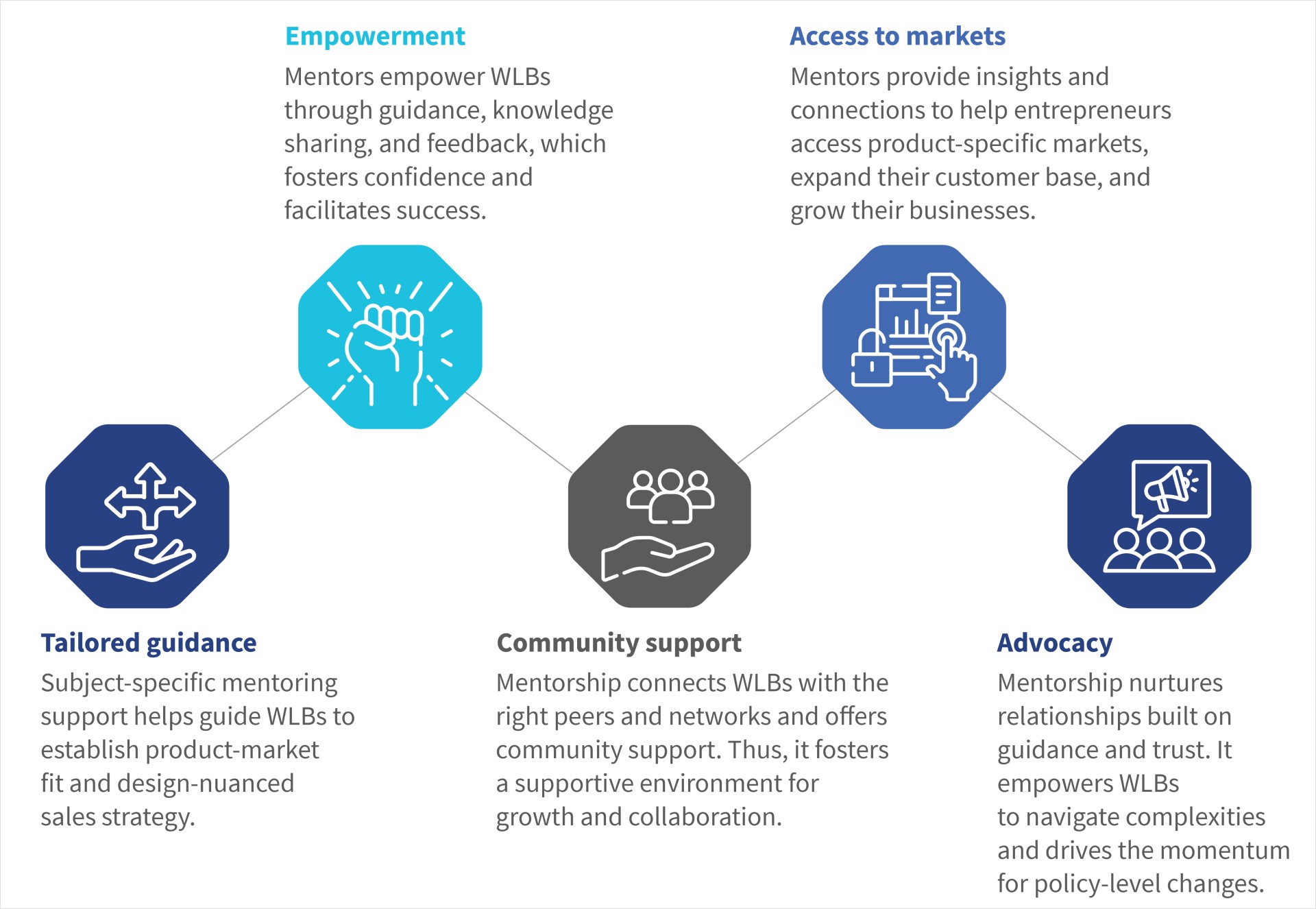
Pragna’s story is not an isolated case. It highlights the importance of mentorship support for the 8 million women-led businesses (WLBs) in India, which can help them overcome such challenges. Mentorship support implies access to professional industry networks, hyperlocal peers, and experienced mentors for handholding and guidance. MSC’s recent study reveals that mentorship support is crucial for WLBs’ growth. A study by the Reserve Bank Innovation Hub suggests that WLBs that receive mentorship support show a higher level of business acumen and willingness to seek external funding.

Fig 2: Importance of mentorship support for WLBs

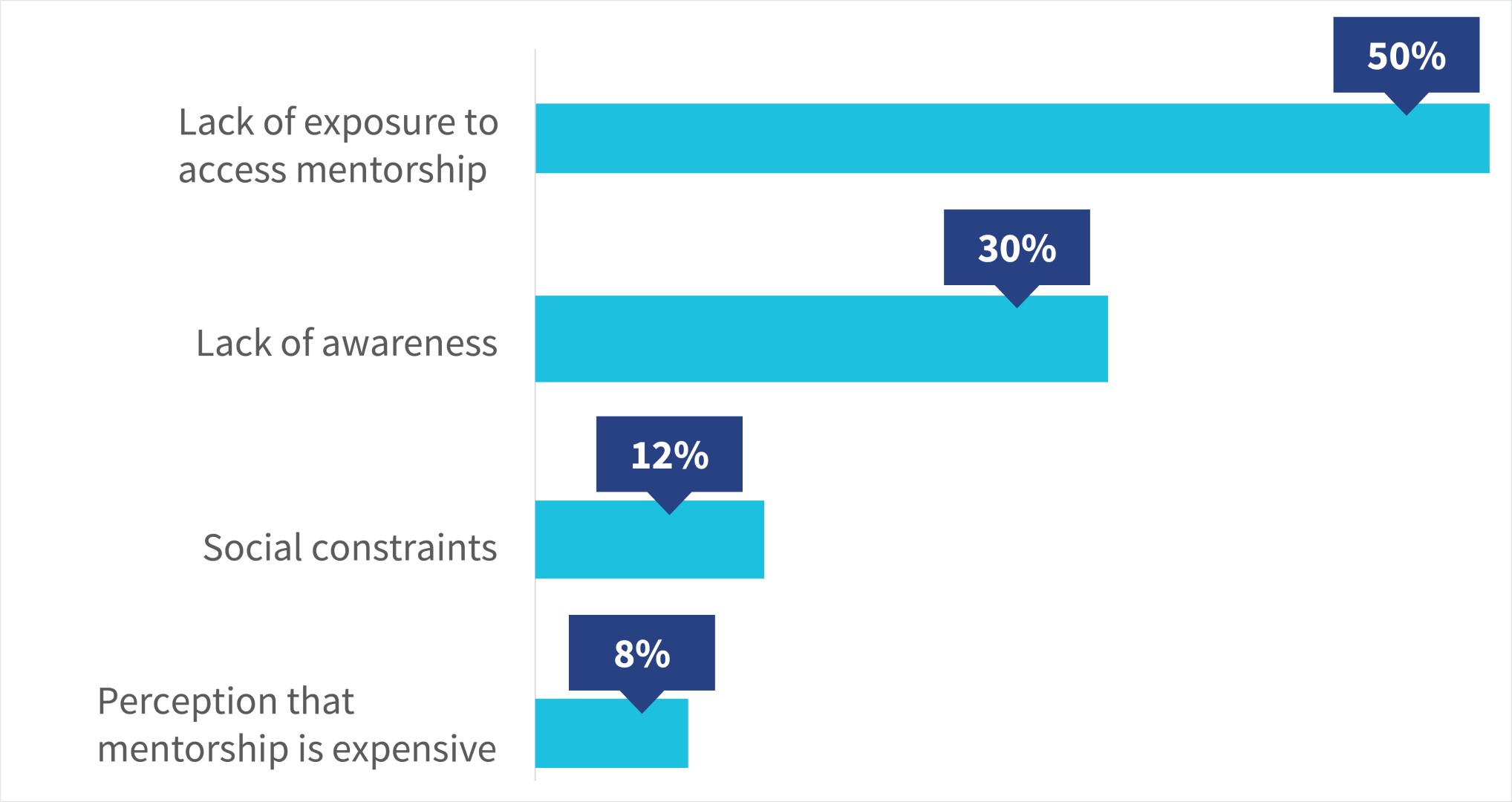
Despite the critical role mentorship plays, it is among the most ignored support areas. Only around 5% of state programs and 9% of central entrepreneurship programs include mentoring and networking for entrepreneurs in India.

Fig 3: Reasons why WLBs do not seek mentorship

(Source: Qualitative interviews with 150 WLBs in India and MSC’s analysis on the importance of mentorship support for WLBs)

Further, a recent study by MSC and the Women Entrepreneurship Platform (WEP) found that a mere ~25% of surveyed women entrepreneurs have access to entrepreneurial mentorship and 64% are unaware of any mentorship programs for entrepreneurs. The concept of mentorship support for business growth remains nascent for women entrepreneurs, especially for those from Tier III and smaller geographies.

Role of specialized incubators to improve access to mentorship support

Overall, India has approximately 763 incubators and accelerators. However, most of them cater to the startup segment. Few incubation centers offer nuanced support to WLBs. In this blog, we delve into the role of one such incubator, WE Hub, which spearheads WLBs’ growth in India through mentorship support.

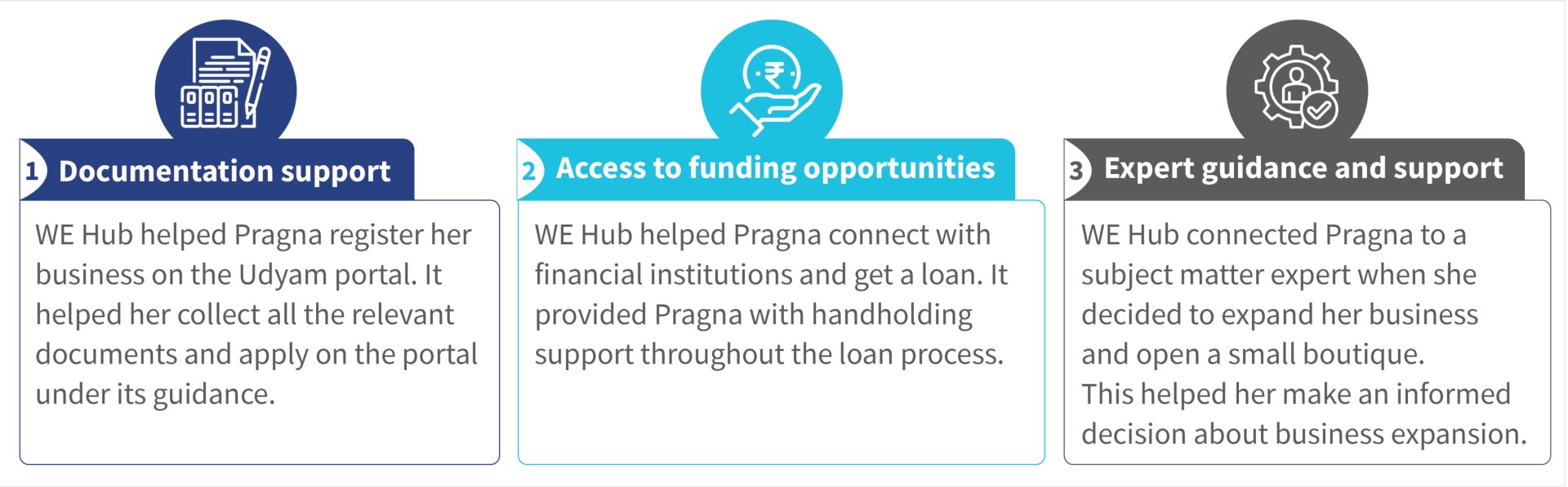
WE Hub is India’s first state-led incubation center in Telangana state that supports WLBs. The one-stop entity provides WLBs with entrepreneurship support across their business lifecycle. This includes access to capital, market linkages, training and capacity building, and networking opportunities. Mentorship and guidance across all these focus areas form the backbone of WE Hub’s work. Let us go back to Pragna’s case to understand this better.

Fig 4: Role of WE Hub across the entrepreneurial needs of Pragna

The WE Hub way: The use of peer groups to bridge the mentorship gap among WLBs

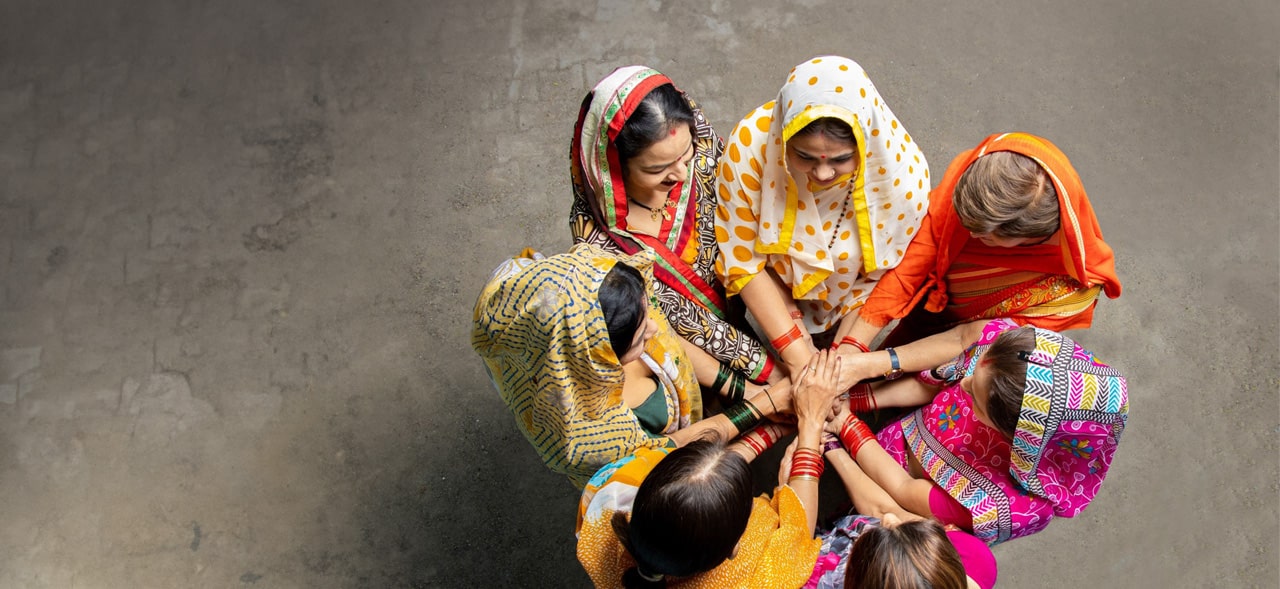
In the above image, we observed how guidance and mentorship play a key role in entrepreneurship. WE Hub’s method has been to provide “mentorship with the help of the community.” MSC designed a range of support areas to foster community engagement for WE Hub’s WLBs under the flagship project “ Women-led Business (WLB) program,” funded by the MetLife Foundation. These initiatives seek to create a network of mutual mentorship and empower women to support each other’s business growth collaboratively.

Community groups to lean in:

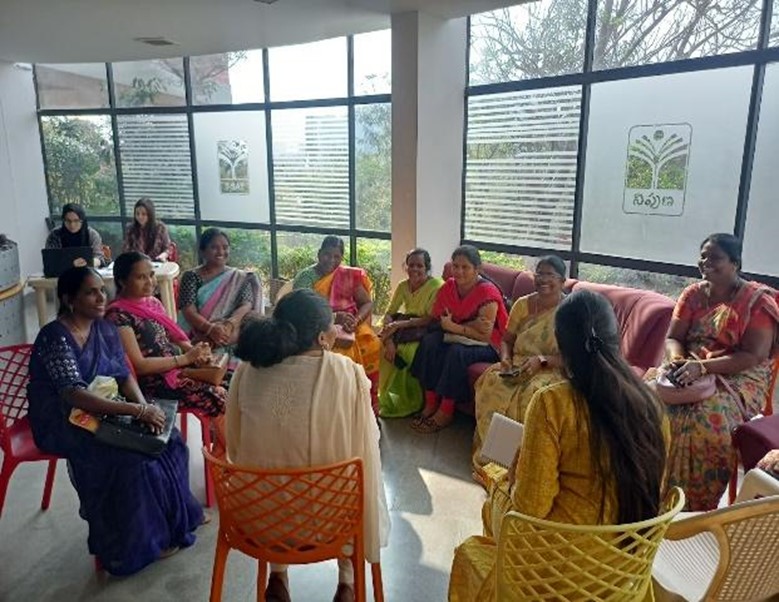
WE Hub regularly conducts in-person discussions with WLBs in similar businesses. However, those meetups primarily catered to training sessions or discussed physical marketing (fairs) events. MSC mobilized WLBs to come together and discuss the challenges around their business’s management with WLB’s support. The group was a good mix of mature and nascent business-stage WLBs.
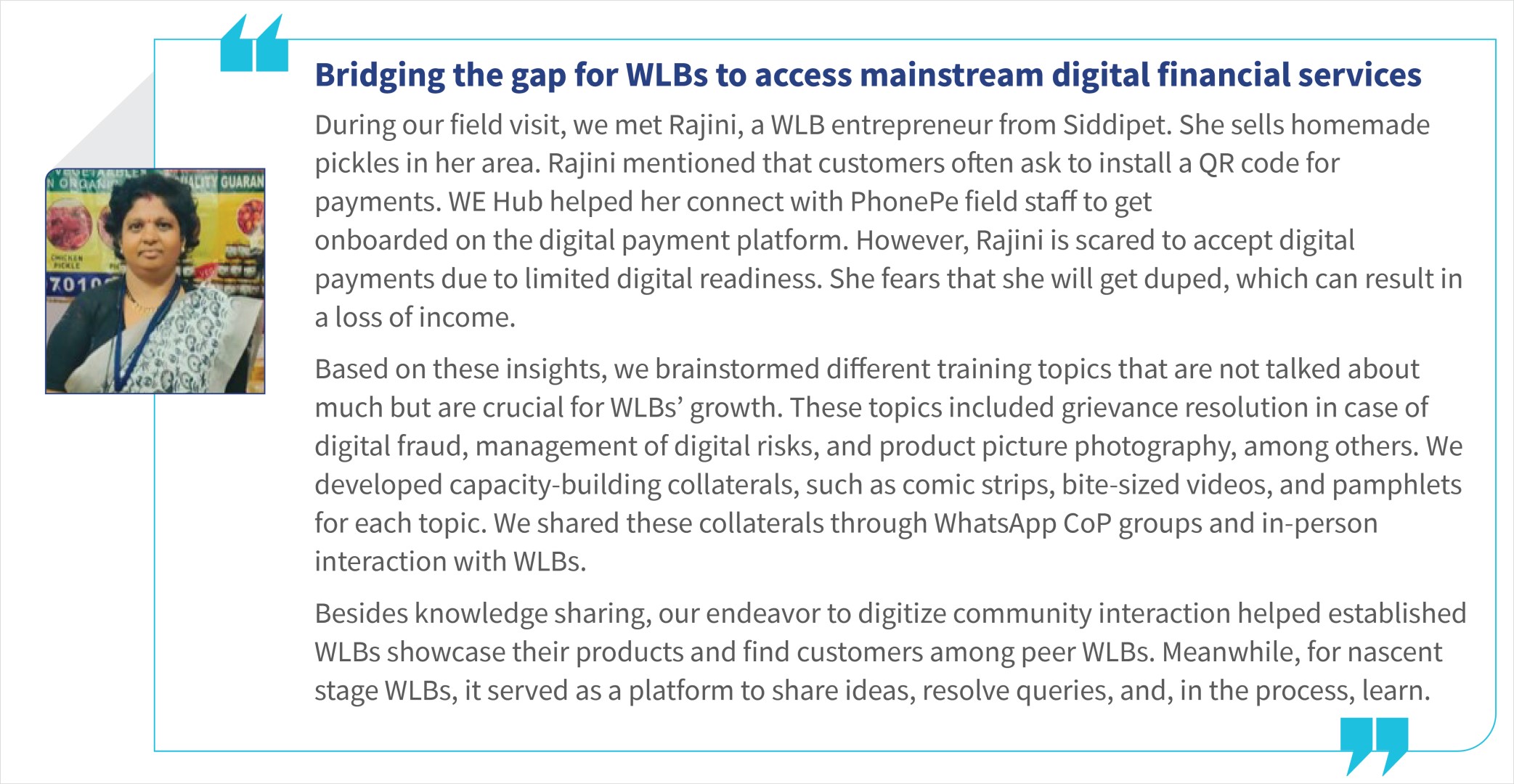
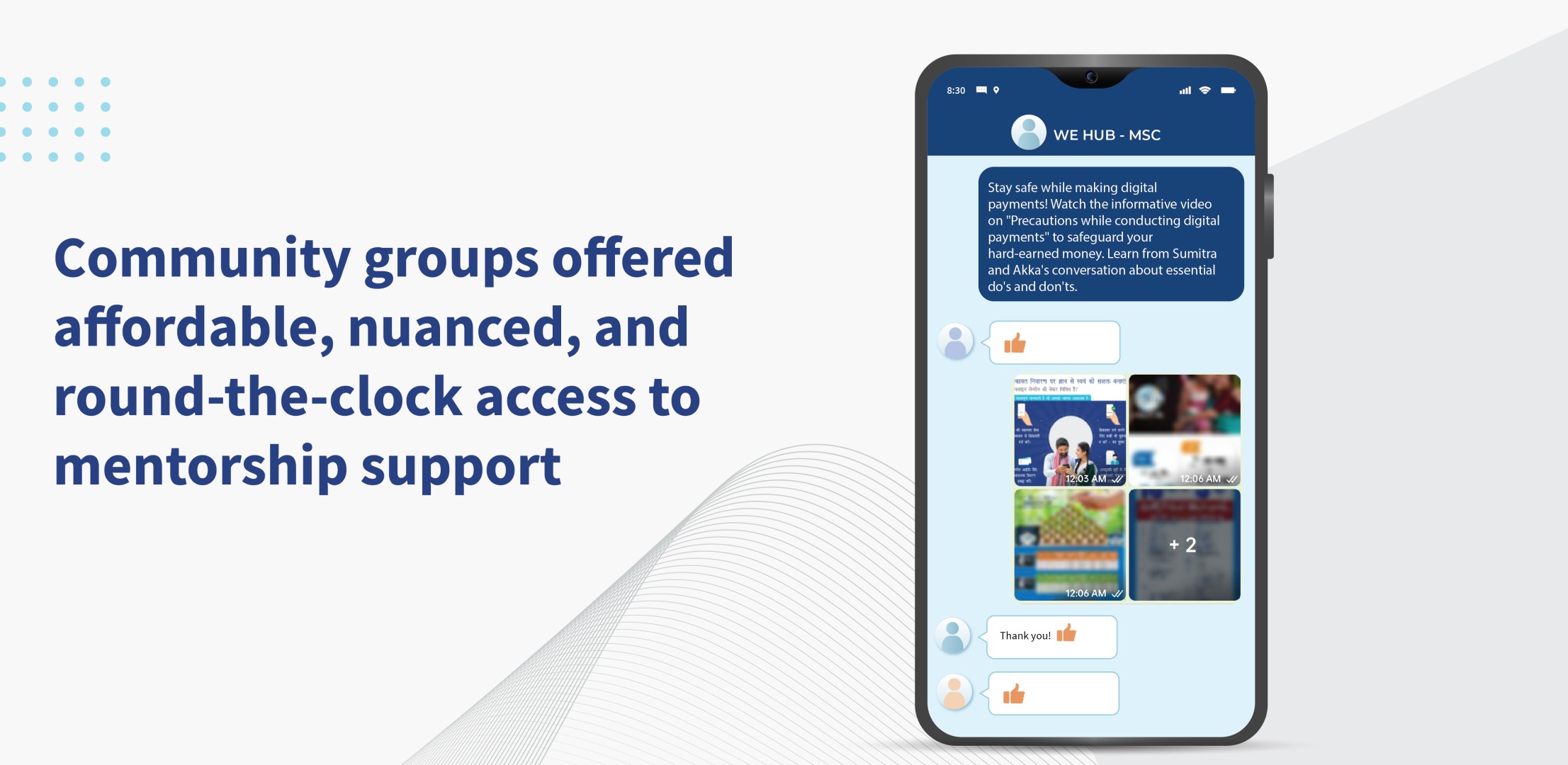
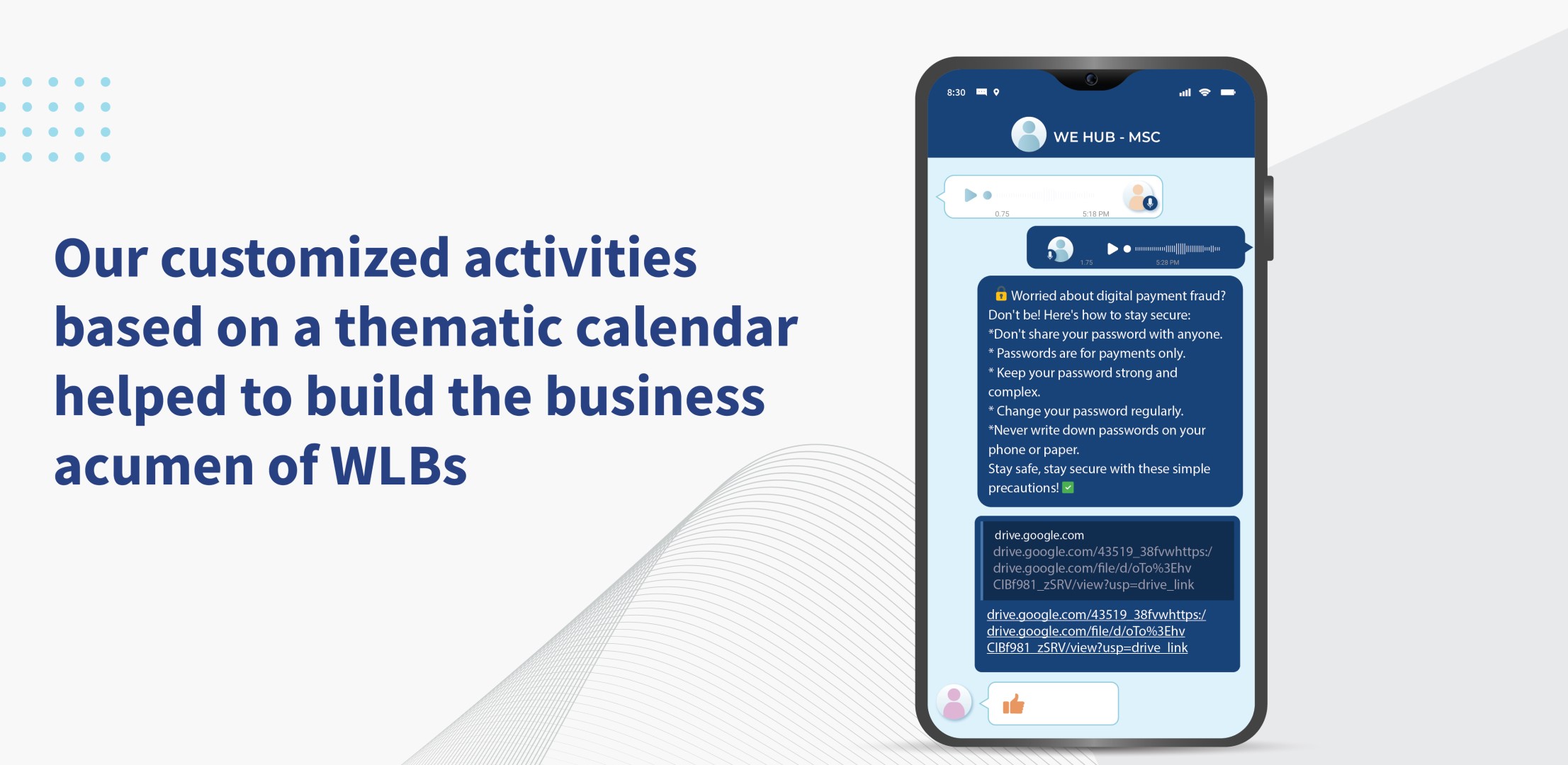
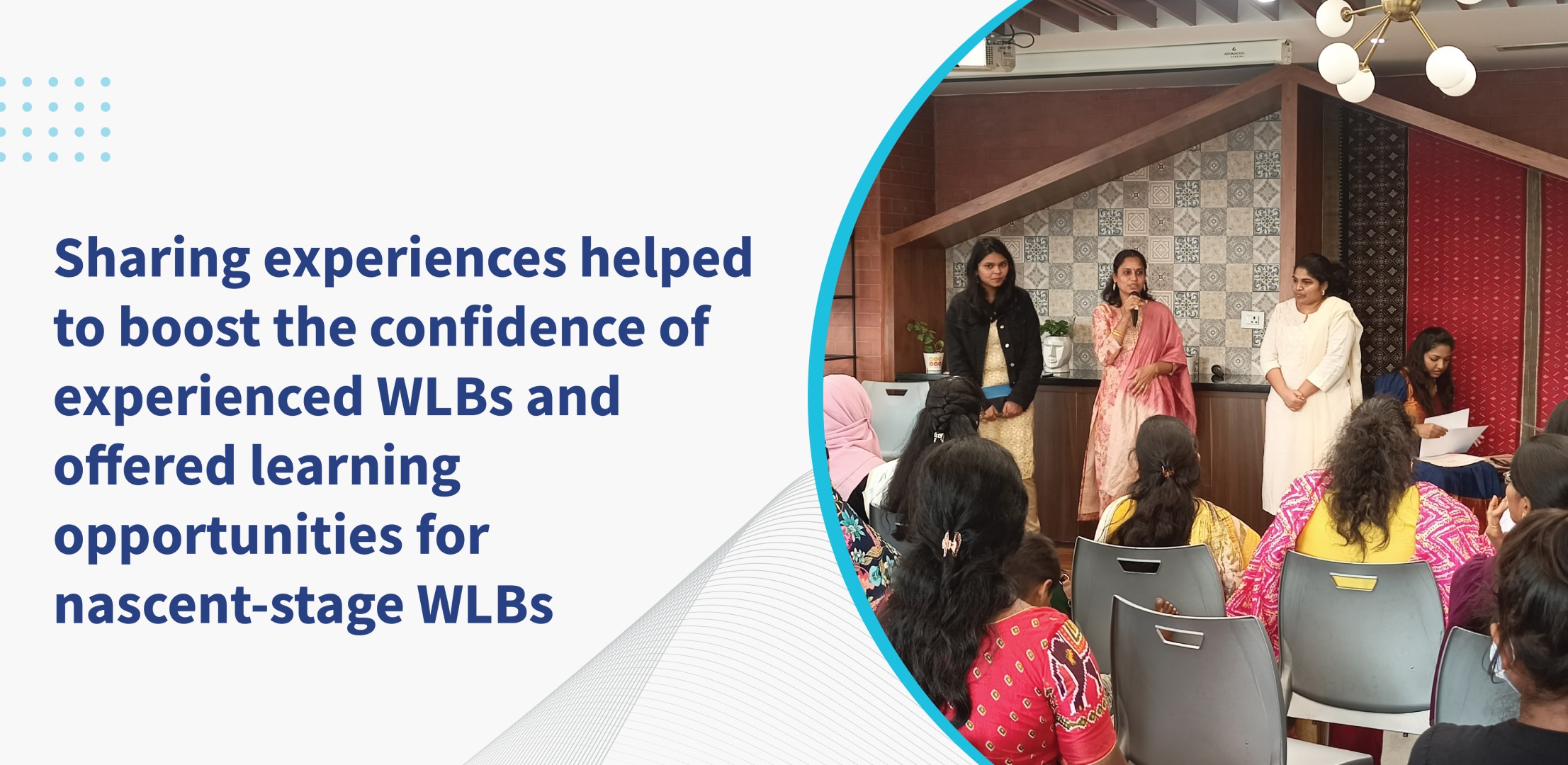
Interactions with the peer community encouraged women to share their challenges freely and seek guidance from other WLBs. The suggestions from successful WLB entrepreneurs encouraged peer WLBs to continue to put effort into their businesses.

During our group interactions with WLBs, we observed that established WLBs had much to share about their journey. Most nascent stage WLBs were all ears to understand and learn more from each other. We asked ourselves, “Can we formalize and digitize this so that more WLBs can learn from each other?”

Digitizing the community interactions with human touch

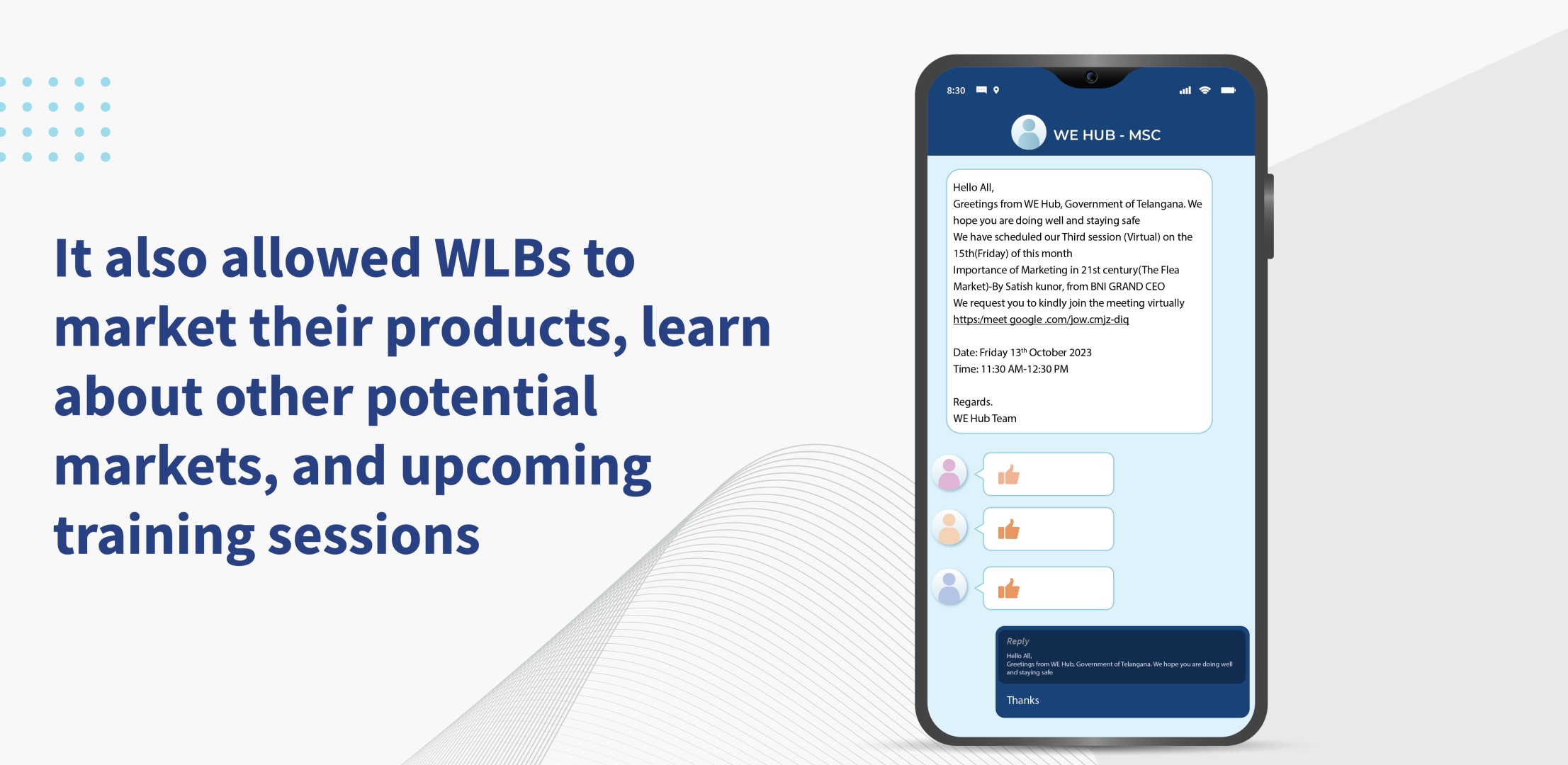
Most WLBs already used WhatsApp for communication. MSC used WLBs’ familiarity with WhatsApp for peer learning. We developed video collaterals that covered insurance, digital payments, business registration, marketing, and business management. We shared these videos with the WLBs in the learning groups we created on WhatsApp. This made the information easily accessible for WLBs.

MSC also identified other digital platforms to engage with these women, such as Google Meet, and used them to conduct group interactions. This was especially helpful for WLBs who could not participate in knowledge-sharing gatherings due to household responsibilities and long commutes. MSC included a good mix of in-person and digital learning sessions to ensure inclusivity, encourage peer learning, and forge the foundation for collaboration.

These initiatives helped WLBs engage meaningfully and learn the best business practices from each other. Ground-level insights determined most of MSC’s interventions and made them relevant and valuable for WLBs.

Use of technology for better engagement:

Our experience with WLBs suggests that they struggle to find relevant information related to business queries in simple and regional languages.

MSC used the WLB WhatsApp groups to integrate into the Sangini Konnect platform as part of the WE Hub project. Sangini Konnect is an artificial intelligence (AI) chatbot that allows WLBs to ask business-related queries and get detailed responses in the form of videos. All of this is in WLBs’ preferred regional language.

How did community-based interventions help WLBs?

WE Hub and MSC’s collaborative efforts to use the community for mentorship positively impacted 5,470 WLBs in Telangana. It encouraged 4,062 WLBs to try digital payments for business and learn about crucial financial resilience products, such as insurance. Community-based mentorship is scalable and affordable and helps WLBs navigate sociocultural norms. Studies suggest that WLBs can unlock India’s goal of becoming a USD 5 trillion economy. The lack of mentorship support is not limited to Telangana’s WLBs but also extends to India and the Global South markets.

We can bring millions of WLBs into the folds of the digital finance mainstream if we tailor the learning experience around community-based mentorship to align with the Global South market’s contextual and social setting. It can digitally empower millions of women like Pragna to run their businesses and become a role models for her peer WLBs in India and beyond.