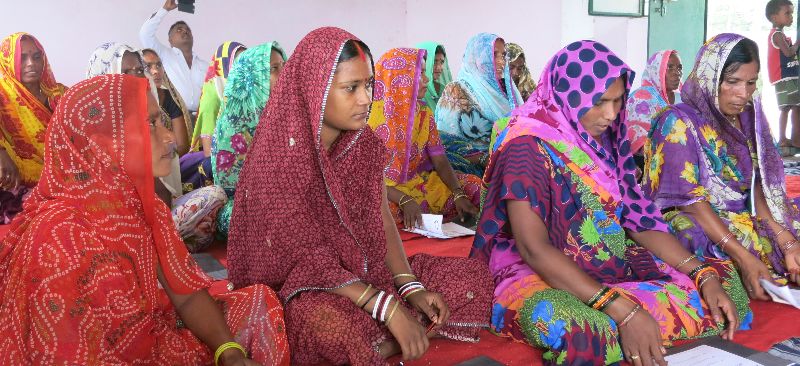
Unfolding the limitations faced by the poor due to lack of financial access, this note draws attention to the indicators for financial inclusion in the North Eastern states of India. It underlines the geographical diversity in the North East, highlighting the fact micro and small enterprises thrive in the region quite well and that they are mostly dependent on informal sources. It also gives a dismal picture of growth of microfinance in the North Eastern area. It suggests that a start up & capacity building fund, technical service providers, building institutional mechanisms for effective interventions, would lead to a better development of the North East Indian microfinance sector.
Blog
Microfinance in Bangladesh BRAC
In this video, Senior Microfinance Specialist of CGAP Syed Hashemi talks about the common vision of Muhammad Yunus and Fazle Hasan Abed i.e social transformation. Hashemi describes the different methods followed by both leaders to build a society where the poor were integrated in the development process. He explains in detail about the organisational structure of Grameen Bank and BRAC outlining their similarities and differences. Hashemi further elaborates the functions of BRAC and how it has successfully made inroads into other development efforts such as education, health etc. through multi-sector approach.
What Does Competition Mean For Indian MFIs?
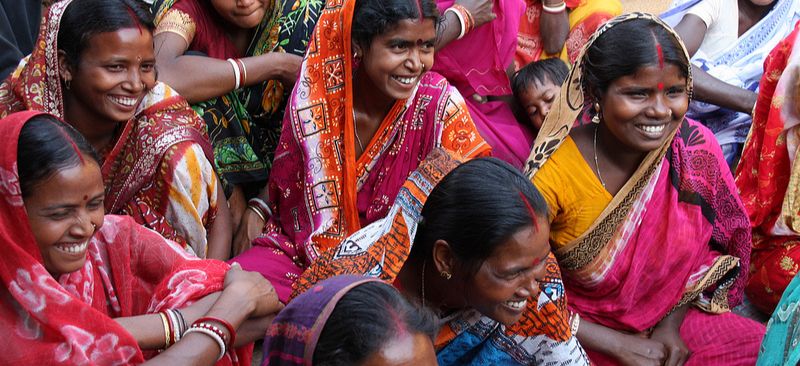
This note talks about competition in the Indian microfinance market. Historically, the MFIs in India enjoyed the low competition period which allowed them to focus on the methodology and management systems necessary to reach scale and sustainability. The focus note draws lessons from Bangladesh, Bolivia and Uganda for the future of microfinance in India. It reviews the issues related to over indebtedness, demanding/discerning clients, niche market and price based differentiation and the implications on each of the factors on Indian MFIs.
Microfinance in Bangladesh: Grameen Bank
In this video, Senior Microfinance Specialist of CGAP Syed Hashemi discusses the principles and features of microfinance in Bangladesh. Talking about the success of microfinance in the country, Hashemi applauds dynamic leaders such as Muhammad Yunus, Fazle Hasan Abed who have used microfinance as an anti-dote for poverty in post-liberalised Bangladesh. Hashemi highlights the role of Grameen Bank and BRAC that have not only provided economic strength through loans and safe savings but has transformed society by bringing women in the mainstream which today accounts for their huge customer base.
Creating a World Without Poverty Part 1
In this video series-1, Nobel Peace Prize winner, Dr. Muhammad Yunus, discusses how in times of global financial crisis the poor have proved themselves to be credit-worthy, contrary to the conventional wisdom of large banks. Speaking at the George Washington University in Washington, D.C, Dr. Yunus talks about Grameen’s Microcredit project in New York and how successful the programme became even in the times of global financial meltdown. The video ends with a poignant question by Dr. Yunus, “Who is credit worthy?”
Are Loan Utilisation Checks Really Necessary?
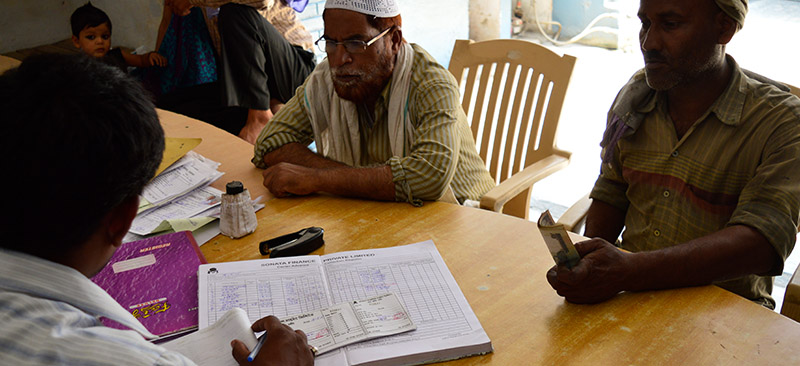
This note focuses on diverse financial services driven by the diverse needs of people. Typically MFIs provide working capital, which in many cases, are not used as per the stated purposes by the clients. Subsequently, this note questions the necessity of utilisation checks in microfinance service delivery. However, the note also maintains that loan utilisation checks are extremely important for larger individual, enterprise development loans due to its large loan size and sanctioned on the basis of the credit officers’ assessment of the cash flow of that particular business.