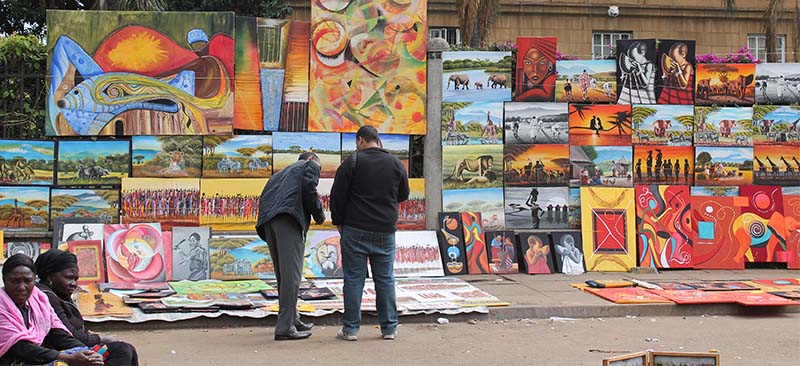
Examines why the MFIs in Kenya suffer such remarkably high levels of drop-out amongst their clients. The field study also seeks to improve understanding of why the current systems and services being provided by the MFIs appear (on the basis of these drop-out rates) to be failing to meet the needs and demands of the clients, and draws lessons for MFIs that wish to effect change.
Blog
Client Exits (Drop-outs) Amongst Tanzanian Microfinance Institutions
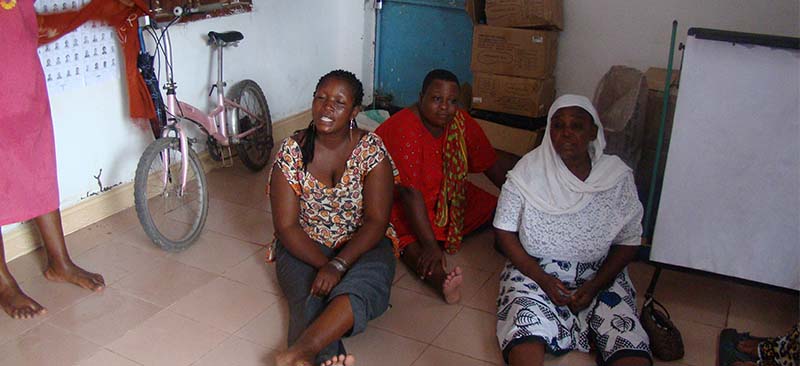
The paper examines why the MFIs in Tanzania suffer such remarkably high levels of drop-out amongst their clients. The field study also seeks to improve understanding of why the current systems and services being provided by the MFIs appear (on the basis of these drop-out rates) to be failing to meet the needs and demands of the clients, and draws lessons for MFIs that wish to effect change.
Client Drop-outs From East African Microfinance Institutions
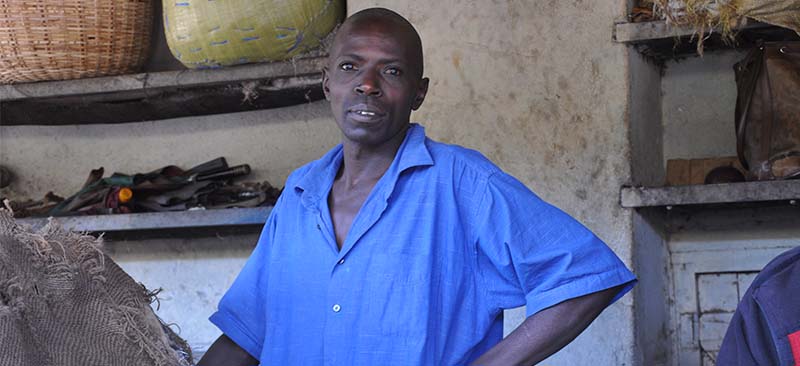
Synthesizes the country studies conducted in Kenya, Tanzania and Uganda and examines why MFIs in East Africa suffer such remarkably high levels of drop-out amongst their clients. The study also seeks to improve understanding of why the current systems and services being provided by the MFIs appear (on the basis of these drop-out rates) to be failing to meet the needs and demands of the clients, and draws lessons for MFIs that wish to effect change.
Savings And The Poor: The Methods, Use And Impact Of Savings By The Poor Of East Africa
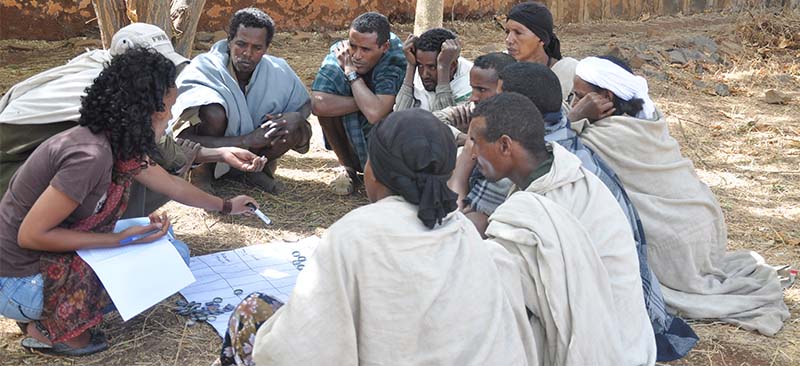
This report is about how the East African poor manage their money, and how microfinance institutions (MFIs) might help them do it better. The report provides descriptions of the money management devices and services used by the poor, and with a discussion of the extent to which the poor and very poor have access to them. It also offers a conceptual framework for analysing the role of savings in the money management systems of the poor. The report concludes that MFIs would do well to explore how to broaden their work – to a much wider range of clients, including the poor and even the very poor, using a much broader mix of ‘swap’ services with a variety of term lengths and volumes.
Use and Impact of Savings Services for Poor People in Kenya
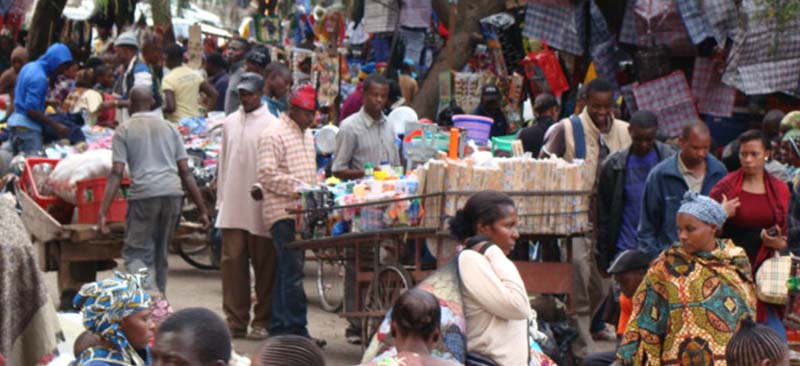
This study focuses on building the knowledge and understanding of how poor people in Kenya save to meet their various lump sum needs. This study further delves into the mechanisms adopted by various service providers including microfinance institutions (MFIs) – generally in the business of providing credit only – and the needs of poor people and their enterprises. It also discusses the ways and means through which poor people use different savings services and systems. Moreover, the impact of these systems on households’ financial, social and economic management in relation to gender and age is examined. This study also emphasises on the role of enabling regulatory environment for accepting savings from the clients.
Innovations in Financial Services Lessons from Bangladesh for East African MFIs
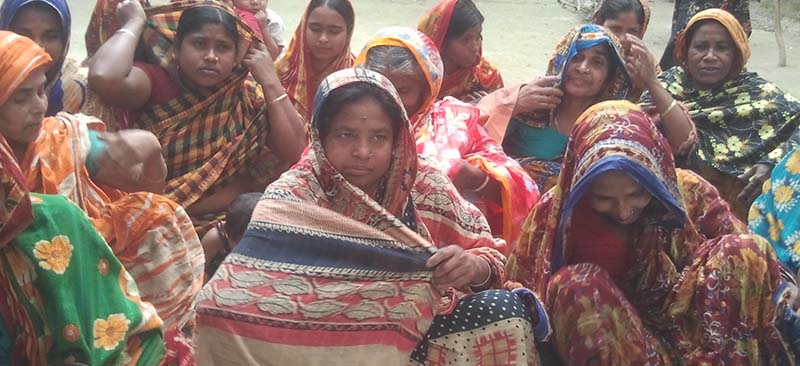
This paper documents the lessons learned for Uganda from a trip to Bangladesh to examine the MFIs operating there and the products being offered by these MFIs.