In this video, Kate McKee, Senior Advisor, CGAP, taking the discussion further on Client Protection Campaign enlists the role of funders and government towards creating healthy environment for the customers. Explaining the role donors and investors, Kate says that funders must set the right incentives and support providers to put better policies into practice. While talking about the role of the government, Kate says government regulation and involvement in client protection is very complex.
Client Protection Campaign The Role Of Providers
In this video, Kate McKee, Senior Advisor, CGAP, talks about Client Protection Campaign launched by the MFIs. Kate shares that MFIs have come together for the support of client protection and it includes providers, international organisations, donors, individuals etc. All have come together to raise awareness for client protection and support learning process across the industry. Simultaneously, Kate emphasises on setting up the right incentives by investors to ensure that client protection is exercised by MFIs. She says though regulation is good for the industry market regulation by Governments may adversely affect the centre.
Six Core Principles Of Client Protection
In this video, Kate McKee, Senior Advisor, CGAP, explains the six core principles of client protection for responsible finance, namely, Transparency, Suitability of Product, Appropriate Collection Practices, Staff Ethics, Access to Effective Recourse by Clients, Data Privacy and Security. She also highlights two other issues: fair pricing and non-discrimination. She emphasises that transparency is the bedrock of client protection where all financial information should be explained to the clients in plain language. She further explains the other principals of responsible finance.
MFIs as Business Correspondents – To Be or Not to Be?
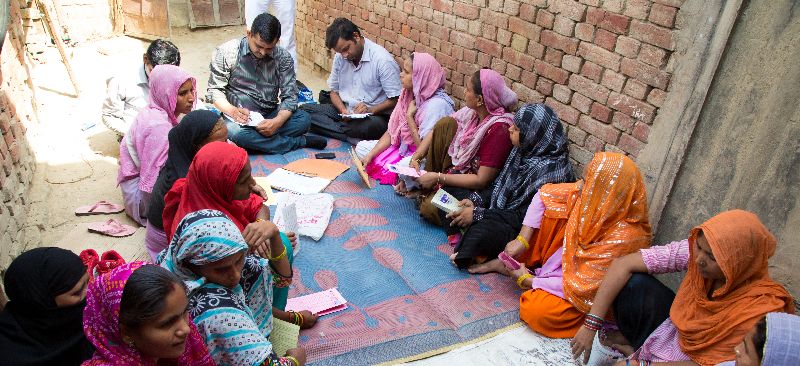
The Reserve Bank of India (RBI) has encouraged the use of Business Correspondents (BCs) as a means for promoting financial inclusion in India. This IFN examines the viability of the BC model for MFIs, based on field experiences in India.
This IFN defines the Business Correspondent Model and identifies the key stakeholders involved in the Indian case. It highlights the key growth impediments both at the policy and the operational levels, and examines the viability of the Business correspondent model in India.
Responsible Finance Why it is Timely Now
In this video, Kate McKee, Senior Advisor, CGAP, discusses responsible finance and shares why it is the need of the hour. Kate further discusses how success of MF has attracted the attention towards client protection and transparency. She also mentions the formation of industry associations and drafting code of conduct as a step towards more transparency. The client protection and responsible finance in microfinance gained media attention due to some events like Compartamos crisis in Mexico and cases in India.
Lessons Learned from MicroSave’s Action Research Programme 2007-2009: Market Conditions for Microfinance in India
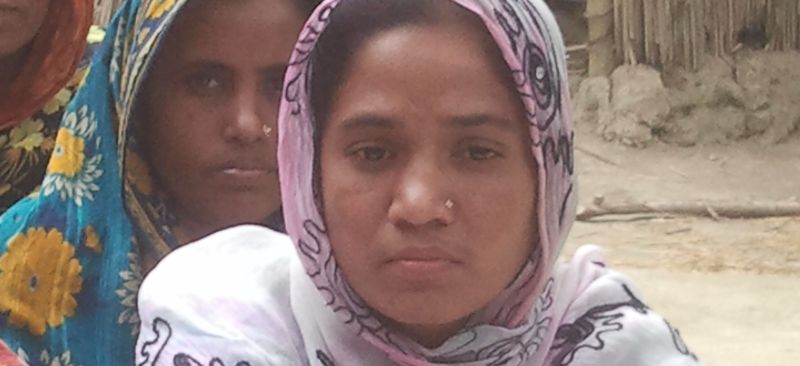
This note discusses the lessons learned from MicroSave’s two years of working in the Indian microfinance market. It highlights some of the broad issues and how these have been addressed by MicroSave and its partners, as well as where additional documents are available. It essentially highlights the growing competition in the Indian microfinance market, the issue of savings and the “No Frills Accounts” opened by banks, and electronic and Mobile banking techniques. In addition, the IFN addresses the credit crunch and the challenges of reaching under-served areas, along with social performance management, and the issues related to training and technical assistance