This paper synthesizes the findings from two studies carried out in Uganda, Kenya, and Tanzania. It examines the demand for risk management tools by the poor and gathers experience of seven institutions providing microinsurance to satisfy this demand. This paper identifies three major risks faced by poor people in East Africa: death of an income earner, illness, and property loss resulting from theft and fire. It reviews poor people’s current options for managing these risks and differences by gender and wealth levels. It then discusses implications for microinsurance, considering issues of coverage, access, timeliness, and affordability. The research findings reveal a huge opportunity for microinsurance in the low-income markets of these countries as the formal insurers cover only the top five to ten percent of the population and the rest are left to fend for themselves. The paper includes practical lessons for designing and delivering insurance products drawing on the views and experiences of clients, potential clients, and the institutions that aim to serve them.
Innovative approaches to delivering microfinance services: Credit indemnity in South Africa
This study documents Credit Indemnity’s process of transformation. Credit Indemnity started as a small, short-term lender that commenced operations more than a decade before the rest of the South African micro lending industry really started. Today they are part of a listed company and operate on a cash loan and repayment basis out of 118 branches covering the whole country. This study documents the process, its success and hurdles, through the eyes of its management, staff, clients and other stakeholders in the financial industry. It also identifies areas in which the organization needs to improve.
Meeting the Challenge –The Impact Of Changing Technology On MicroFinance Institutions (MFIs)
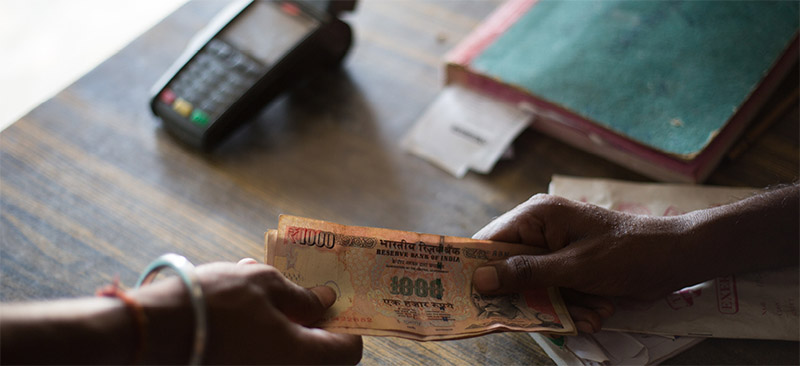
The conventional banks rarely provide banking services to the low income segment due to high costs associated with it. However, technology has resulted in lowering down the costs per transaction, and thus impacted the banks to consider the options of servicing the low income segment. This note talks about the gains from various technologies such as ATMs, plastic cards, mobile phones, used by the present banking system to serve the people belonging to lower income strata.The conventional banks rarely provide banking services to the low income segment due to high costs associated with it. However, technology has resulted in lowering down the costs per transaction, and thus impacted the banks to consider the options of servicing the low income segment. This note talks about the gains from various technologies such as ATMs, plastic cards, mobile phones, used by the present banking system to serve the people belonging to lower income strata.
Taking banking services to the people: Equity’s Mobile Banking Unit
Equity serves some customers that live and work in remote rural areas, through a network of rural branches and through a system of mobile banks. In addition to providing services the mobile banking units are used for public relations and marketing purposes. Whilst banks such as Barclays and Kenya Commercial Bank closed their mobile services, Equity is rapidly expanding its mobile services. This paper explains the structure of each of the mobile units and their further evolution. Lessons from the mobile banking project are considered, and the performance of the units is explained. Client perspectives are aired.
The competitive environment in Uganda: Implications for microfinance institutions and their clients

This study explains competitive scenario in the microfinance sector in Uganda. It provides overview of the Ugandan microfinance market and chalks out its characteristics. Going further, the study also underlines various concerns to respond to the challenges relating to competition. It details out overview of international experience on competition relating to over-indebtedness, clients behaviour, niche markets, pricing and mergers and acquisitions. The study also discusses donors’ role in various degrees of competition—monopoly, competition and saturation.
An in-depth assessment of the Ugandan microfinance market—Qualitative-side study report
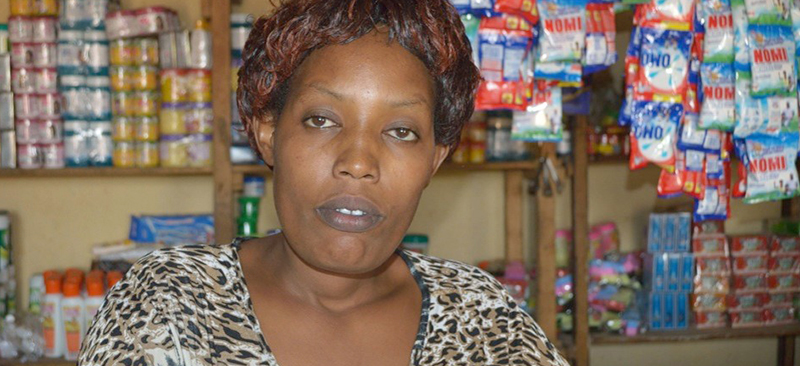
This study aims to understand why and how clients make the various choices to use different financial service providers in the main markets in Uganda; how and why clients have moved between financial service providers; understand how clients are using the many options available to them (including accessing financial services from several sources simultaneously) and assess the implications for the MFIs operating in these areas.