
MicroSave’s goal is to promote the development of high-quality financial services for poor people. This report documents the progress made under the Action Research Programme during 2002. It presents MicroSave’s package of services, summarises the lessons learned from MicroSave’s Action Research Programme, covers the selection of ARPs, presents an overview of results, and then details the activities undertaken with each of the partners.
Innovative approaches to delivering microfinance services: The case of Capitec Bank

This paper briefly captures the origin, history and the structure of Capitec Bank. It is a story of institutional growth, formalisation, and the development of products, which serve clients with what they want, where they want it. The paper discusses the nature of business and the bank’s operating mechanism. Key issues discussed in the paper are – market and attributes accessibility, affordability, simplistic transaction methodology developed by the bank; its range of products and pre conditions required for a loan. In short it discusses the management and governance of the bank, its administrative and operating systems and associated risks and achievements. Additionally it documents the bank’s strengths and challenges and outlines the lessons for the mainstream MFIs.
Reducing Vulnerability: The Supply of Health Microinsurance in East Africa

This paper addresses the supply side of micro-insurance. The authors identified seven institutions in the region as case studies to help understand supply side products and operations. These institutions were selected based on having an active health care financing product serving the low-income market (except one). It also focuses on a variety of delivery mechanisms and different organisational structures vis-a-vis various kinds of urban and rural institutions. These institutions ranged from the start-up Community Health Plan in Kenya with 100 clients to the Tanzanian Government’s Community Health Fund with its reported 330,000 members. It also provides lessons from different institutions which focus on issues relating to management and governance of the institutions, micro-insurance products, operations and accounting, marketing, risk management and relationships among insurers, service providers and intermediaries.
Use of Financial Services over Time in Uganda

This note summarises the findings of a study based on a time series analysis of “MFI Use over Time” tool to examine carefully selected clients’ use of financial services over a twelve-year period. It also encapsulates the findings relating to preferences of clients for different types of institutions, products and services delivery related issues, customer care and staff behaviour. The study further dwells into the issues related to speed of services, security for hard earned money of the clients and collateral required in accessing these services.
Lessons from MicroSave’s Action Research Programme (2002)
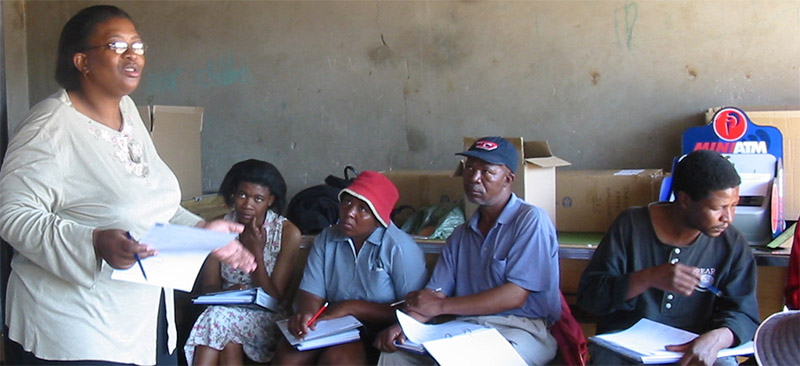
This note documents the lessons learned in 2002 under the Action Research Programme of MicroSave. Evoking thoughts on market led microfinance, the note focuses on responsiveness towards clients concerns as a key to profitability. It also discusses the importance of strategic marketing, corporate branding, marketing audits, proactive risk analysis and management, and organising rolling out of products. The note recommends the MFIs to learn from the formal financial sector, build a strong management team, testing the product with existing MIS before its roll out, good product costing, strong financial projections, and developing strategic collaborations to improve efficiency in serving the clients.
Market Research and Client-Responsive Product Development

This paper describes the need for client responsive products and a step-by-step process for product development, together with the tools currently available for those interested in rising to the challenge.