
Changes to loan arrangements attracted attention when Grameen II was announced in 2002. The ‘flexi’ loan – a system for quickly rescheduling loans in repayment arrears – aroused concern: Grameen’s loan portfolio was known to have been weakened by floods and other problems in the 1990s, so some worried that wholesale rescheduling of loans would make things worse rather than better. However, this did not happen. This note describes the new loan arrangements and how staff and borrowers have reacted to them. (The analysis of the bank’s financial performance is in another Note in this series, No. 4.)
Process mapping in practice

This paper summarises the experience that MicroSave has gained in process mapping through working with its Action Research Partners. It highlights key benefits, which can be achieved through process mapping. It presents brief case studies detailing the experience of Tanzania Postal Bank and Equity Bank in Kenya. Finally it provides tips on how to overcome common challenges faced during the process mapping exercise.
Member Savings
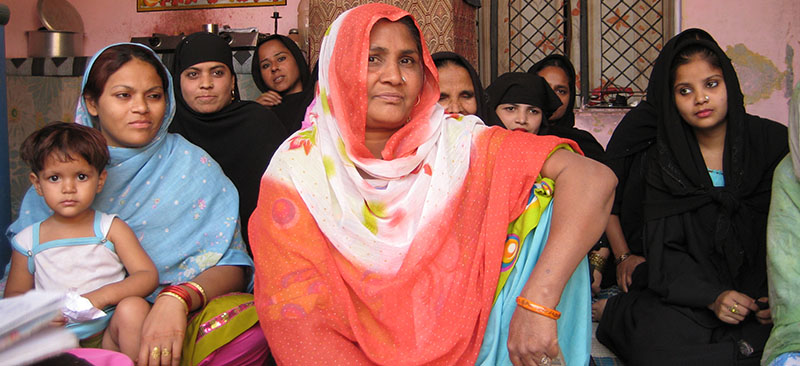
India has a vast banking network in the world. This note discusses about recent trends in the microfinance sector in India, which places a focus on efficiency, sustainability and need based product diversification. It provides evidence of existing gaps in Indian financial sector in meeting the financial needs of poor people through various studies. This note also gives learning from Indian experience in order to create an inclusive, competitive and vibrant financial system that offers high quality, client-responsive products and services to all sectors of society on a commercial basis.
Implementing Risk Management at MicroSave’s Partner Microfinance Institutions

Recognising the need for proactive risk management the present note throws light on risk management in MFIs. It is based upon a study undertaken by MicroSave and ShoreBank on the current status of risk management in four of MicroSave’s Action Research Partner (ARP) organisations. The note describes the risk identification process, management and measurement of risks. It addresses issues like – managing risks and the process of institutionalising risk management, monitoring of risk management programme. The note suggests that the Microsave’s “Toolkit for Institutional and Product Development Risk Analysis” if rigorously applied, will help in the early detection and management of risks, especially in the development of new products.
Serving depositors: Optimising branch-based banking

A key challenge for financial institutions serving the low-income market is how to optimise branch networks to serve high volumes of customers – to provide high quality financial services at a low unit cost. This paper examines the strategies used to optimise branch based services for depositors by MicroSave’s Action Research Partners – a network of more than ten very different financial institutions based in East and Southern Africa.
Employee Relationship Marketing
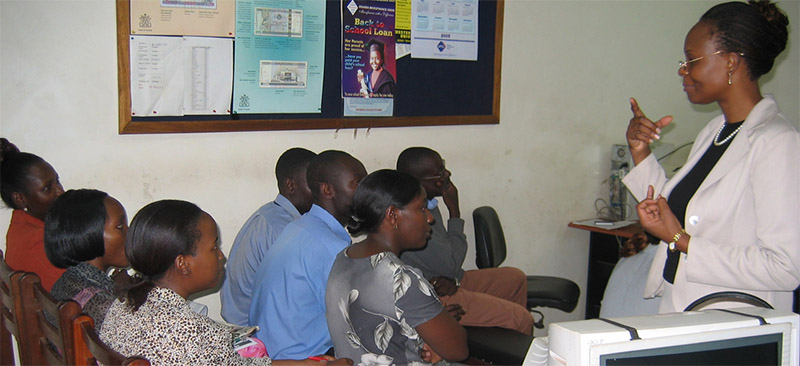
Employee Relationship Marketing (ERM) is the process of creating, maintaining and enhancing strong, value-laden relationships with staff. This note focuses on various facets of ERM like – features of a well developed ERM strategy, where does ERM begin, how to meet the customers needs – internal and external customers of the MFIs. The note describes how ERM as a powerful communication tool provides staff with information that enables them to meet the needs of the customer, whilst working towards corporate objectives. Other aspects of ERM discussed in the note include – hiring the right people and ways to measure changes in service quality that demonstrate improvements made so far.