
This research study is part of the Micro-Insurance series produced by MicroSave and the Microinsurance Centre.The paper describes the Community Health Plan (CHeaP), a project of the microfinance organisation CENT, in Kisumu, Kenya and how it uses a savings-based methodology for collecting health insurance premiums. CENT undertakes a preventative and holistic approach to health and development in general, including an orphans health project, HIV prevention, nutrition programs, clean water initiatives, a bed net program, and community based health care services in addition to the new health insurance plan.This paper outlines the CHeaP’s products, organizational structure and governance, operations, overall performance, risk management strategies, lessons learned and a SWOT analysis.
Kitovu Patients Pre-Payment Scheme (Kitovu Hospital, Masaka, Uganda)
Kitovu Patients’ Pre payment Scheme (KPPS) is a hospital-based model of health care provision operating in Masaka, Uganda. This paper briefly reviews the health care prepayment scheme of the hospital. At the same it also looks at the institutional structure of KPPS and its sustainability. Through a detail SWOT analysis the paper explores the strengths, weakness, opportunities and threats associated with the scheme. Finally it suggests lessons that other MFIs and donors can learn from this experience.
CIDR – Community Based Health Prepayment Programme, Uganda

This village-based program uses a mutual insurance model that has as its objective complete “ownership” of the activities by the members. CIDR-Uganda management defines “ownership” in this case as “a feeling of people that they manage and make all the decisions for the scheme. That they know the scheme is theirs.” CIDR-France has concluded that such “ownership” and the resulting autonomy are not likely to happen with this project within the next ten years. It thus no longer warrants (per CIDR policies) an expatriate manager after the first three-year phase. CIDR is now transferring project management to a newly created NGO (while retaining the same staff and members) called Save for Health Uganda, under local management and with some oversight by CIDR France.
Client-Focused Microfinance: A Review of Information Sources
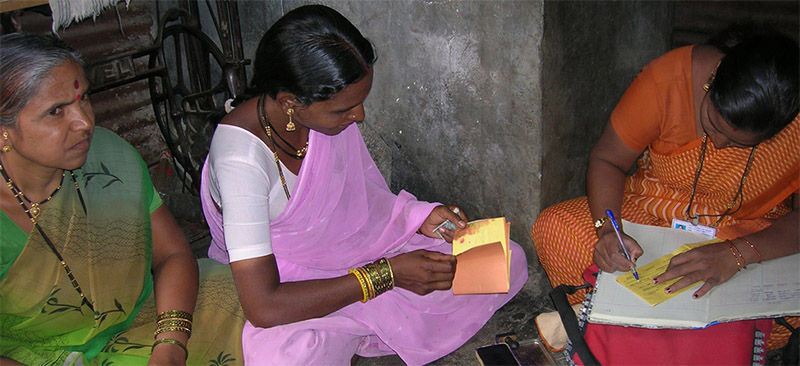
This briefing note proposes to focus on clients’ needs rather than on institutions or products. It discusses various sources of information, which play an important role in assessing the needs of the clients such as local government & network, MIS and competition analysis, frontline staff, clients’ responses, and primary market research methods. Given the maturing of microfinance market, the note suggests the MFIs to become more sophisticated in their approaches to understanding the markets within which they operate
Microcare Ltd. Health Plan (Uganda)

This paper summarizes the interventions of Microcare, a not-for-profit organisation involved in the provision of heath care financing services in Uganda. Microcare offers a single comprehensive health care coverage package and provides third-party administrative services to other companies in addition to being involved in developing information systems for health insurers. The paper briefly outlines Microcare’s products, and its institutional structure, covering health scheme operations, accounting, marketing strategy, sustainability, management and governance and partnerships.
The paper also highlights the relationship between the partners, namely the health service providers and the MFIs, and Microcare. While discussing the likelihood of sustainability, this paper also addresses relevant operational issues, the organizational risk management strategy and clients’ level of satisfaction with the product. A summary of the strengths, weaknesses, opportunities and threats related to Microcares’ program is also provided.
Developing Staff Incentive Schemes

Examines what lessons can be learned from staff incentive schemes from Latin America, Eastern Europe and Africa.