
This note focuses on understanding of processes and costs structures which in turn facilitates improvements in efficiency and allows more informed pricing decisions to be made. It discusses activity based costing (ABC) at length and its significance for the MFIs such as reducing costs, redefining/rejecting loss making products etc. It also draws lessons from costing experience of MicroSave. The note recommends having management commitment, trained staff, careful background work and necessary resources in order conduct a successful costing exercise.
Designing Staff Incentive Schemes
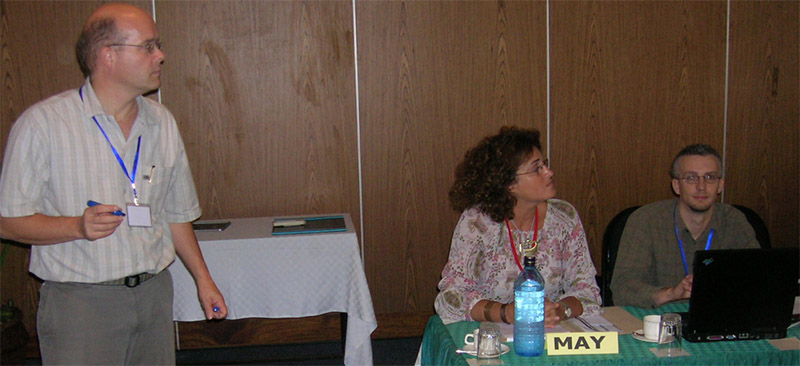
This note lays out the principles and steps for designing effective staff incentive schemes. It focuses primarily on transparency and fairness in designing and implementing staff incentive scheme. It addresses critical design issues such as timing, frequency of incentive payout, and weight of bonus in total remuneration in implementing staff incentive scheme. The note briefly discusses five types of incentive schemes—individual incentive schemes, team based incentive scheme, employees’ stock ownership plan (ESOPs), profit sharing & gain sharing schemes and delayed benefits. The note also outlines 10 major steps of designing an effective incentive scheme.
One Step Beyond: Challenges and Opportunities in Promoting Quality Financial Services in Remoter Areas
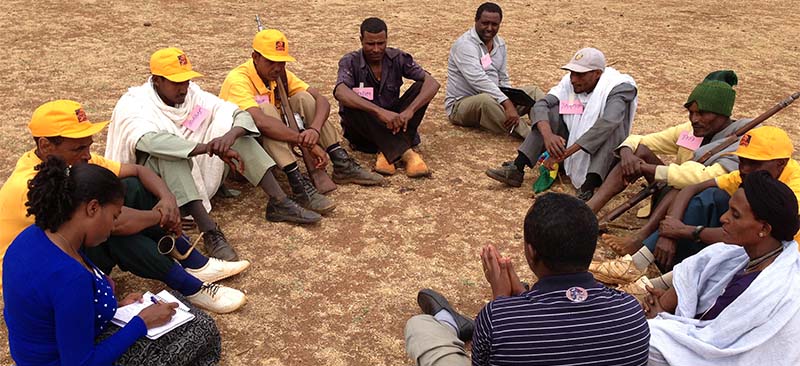
The last decade of microfinance practice, particularly in East Africa, has neglected rural finance. Support to the sector has concentrated on turning credit programmes into sustainable microfinance institutions (MFIs). The result of this has been a focus on small-scale businesses and especially traders, who can manage these relatively inflexible products, and consequently also a concentration of their activities in urban environments and market centres. At the same time there is evidence of innovation in Kenya in the form of managed ASCA programmes, Financial Service Associations and the emergence of ‘non-traditional’ SACCOs. This paper describes models of provision in Kenya that are reaching remoter areas or appear to have the potential to do so; analyses the characteristics of these models and presents the outline of an action research project to promote rural financial service provision.
Systematic Product Development

This note briefly outlines the stages of product development for an MFI and categorises it into five distinct phases—evaluation and preparation, market research, concept/prototype design, pilot testing and its launch and roll out. It also gives a brief of various toolkits that have been developed by MicroSave enabling MFIs to better understand their clients’ needs and serve them efficiently.
Governance Challenges and Possible Solutions for Small to Mid-size BPRs
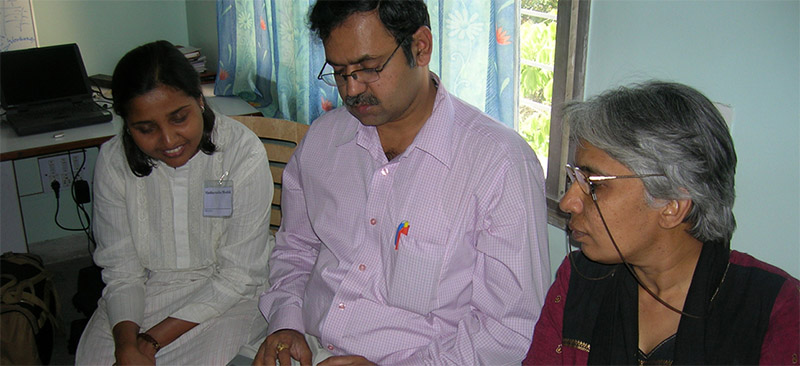
In both the 2008 and 2009 Microfinance Banana Skins reports, corporate governance was ranked as one of the topmost pressing risks facing the sector. The Banking Banana Skins report 2012 also recognised the need of stronger governance and risk management practices. Key industry players including regulators, donors and investors highlighted the need for appropriate governance structures and processes. This Note addresses the most common challenges faced by small to mid-size rural banks in Indonesia and highlights possible solutions. It concludes that for a small to mid-size rural banks and MFIs good governance can establish the right long-term foundation (guiding principles, vision, mission and so on) to ensure that the institution stays on track to achieve its business and social goals. Rural banks and MFIs face increasing governance challenges to address issues such as rapid growth, sustainability and formalisation. Without a governance structure designed so that the institution’s stakeholders (board of directors, managers, owners, regulatory authorities, etc.) can adequately oversee the effective management of the institution, financial solvency and long-term sustainability will be at risk. Establishing a good governance system requires an appropriate combination of board members and their full participation. Promoters, governing board members and the chief functionary have to work in collaborative coordination to ensure effective governance.
Money Managers: The Poor and Their Savings

This note briefly discusses the savings needs of poor people in various stages of their lives and categorises the expenditures into life cycle events, emergencies and opportunities, which are often more than their savings back up. It also suggests three ways to covert the savings into a good lump sum—savings up means putting aside a small sum of money till it accumulates in a large sum, savings down in which poor receive an advance against future savings, and savings through where the poor continuously saves on a regular basis, and a matching lump sum is made available at some point in time during this flow of savings deposit. It suggests designing products which are convenient, quick, appropriate, flexible and affordable.