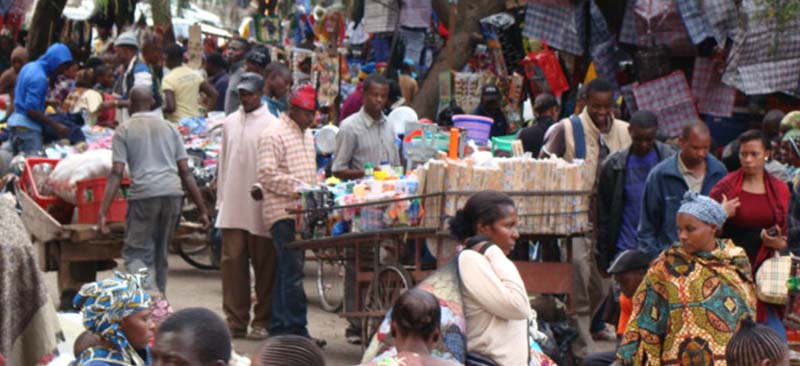
This study focuses on building the knowledge and understanding of how poor people in Kenya save to meet their various lump sum needs. This study further delves into the mechanisms adopted by various service providers including microfinance institutions (MFIs) – generally in the business of providing credit only – and the needs of poor people and their enterprises. It also discusses the ways and means through which poor people use different savings services and systems. Moreover, the impact of these systems on households’ financial, social and economic management in relation to gender and age is examined. This study also emphasises on the role of enabling regulatory environment for accepting savings from the clients.
Innovations in Financial Services Lessons from Bangladesh for East African MFIs
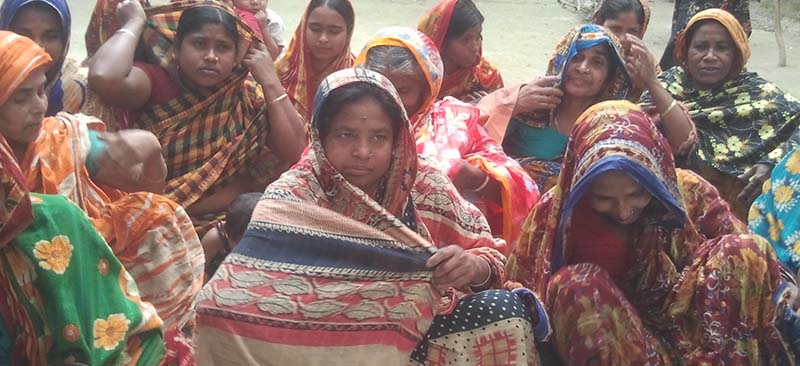
This paper documents the lessons learned for Uganda from a trip to Bangladesh to examine the MFIs operating there and the products being offered by these MFIs.
Drop-outs Amongst Ugandan Microfinance Institution
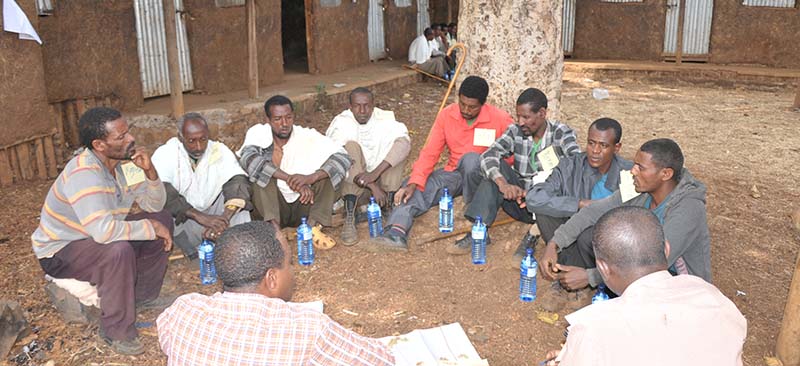
The document examines why the MFIs in Uganda suffer such remarkably high levels of drop-out amongst their clients. The field study also seeks to improve understanding of why the current systems and services being provided by the Microfinance Institution’s appear (on the basis of these drop-out rates) to be failing to meet the needs and demands of the clients, and draws lessons for MFIs that wish to effect change.
Use and Impact of Savings Services Among the Poor in Uganda
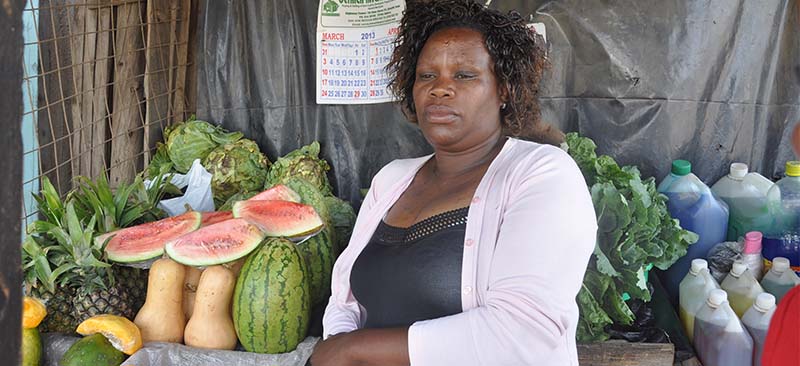
This study challenges the basic proposition that “the poor cannot save”, through its study in Uganda, where there is a vibrant and diverse informal financial sector. This report shares findings that improve knowledge and understanding of how poor people in Uganda save like in the formal sector—with the informal mechanisms like banks, moneylenders, pawnbrokers, money guards, deposit collectors, ROSCAs, ASCAs etc. which are the most commonly preferred by the poor. In between, MFIs constitute the semi formal sector. The study highlights the impact of savings on the poor people’s lives through which they can meet their life cycle needs, cope up with exigencies and opportunities to build up their wealth. It also presents impact of savings on various kinds of institutions.
Beyond basic credit and savings: Developing new financial service products for the poor
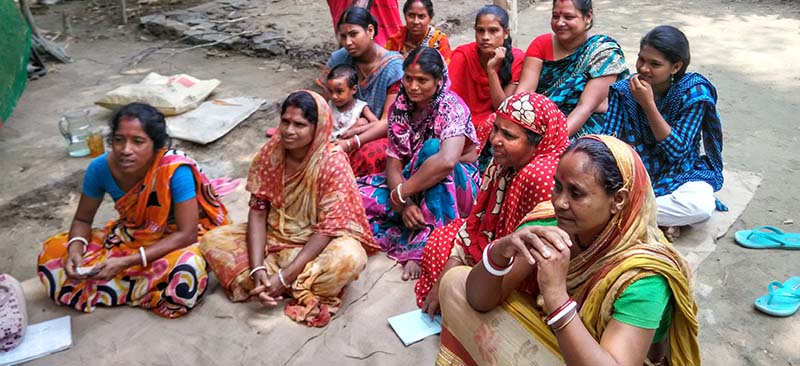
As the microfinance revolution continues, increasing number of microfinance institutions (MFIs) are seeking to diversify the financial services they offer to their clients. In particular, there is a growing awareness that improved client-friendly saving facilities can provide not only an important financial service to the poor, but also that such facilities will actually provide more capital funds for the MFI than the compulsory savings systems that have been so prevalent. The present paper examines the need for MFIs to offer their clients new financial products. It is written on the basis of the experience of BURO Tangail, an MFI in Bangladesh working to provide flexible and responsive financial services to its clients. It operates in what is perhaps the most competitive market in the world of microfinance.
Savings Are a human right (and good business too): The case for voluntary, open access savings facilities
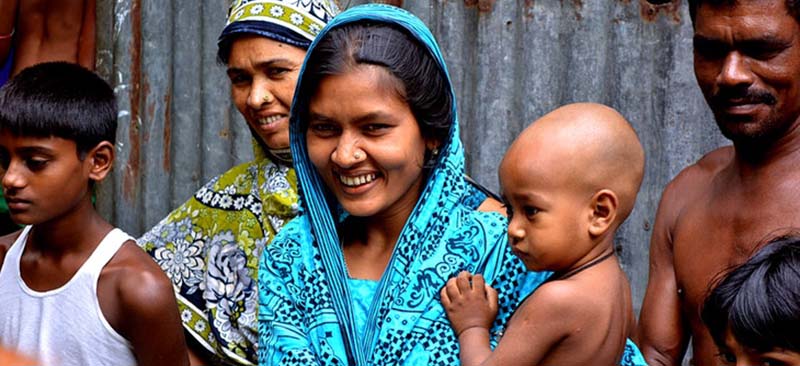
Based on experiences drawn from Bangladesh, this essay puts forward a case for voluntary, open-access savings schemes as a profitable alternative to compulsory, locked-in savings schemes. It quotes examples from the experiences of BURO as opposed to that of Grameen Bank and BRAC. Locked-in “Group Fund” savings acted as de facto loan guarantee reserves and had allowed the larger MFIs to develop a huge capital fund for their lending operations. It was feared that allowing members to withdraw would result in huge outflow of funds.
The paper also analyses and shows how BURO has indeed demonstrated that voluntary open-access savings schemes can mobilise more net savings per member, per year, than compulsory locked-in savings schemes and provide a valued, and well used, financial service while doing so.