
The Mumbai market is unique and needs to be approached in a different way by MFIs. Since Mumbai is a busy place, MFIs need to make their operations efficient and faster: weekly group meetings are likely to be unpopular. This Note analyses the way poor entrepreneurs in Mumbai currently finance their businesses, and the options and opportunities for MFIs in Mumbai. It then provides some pointers on how best to design products for this unique urban market, and concludes that with care, and thoughtful product design, Mumbai promises to be a very lucrative market for microfinance.
Blog
Risk Management Poverty Scoring Part 1
In this video series-1, Mark Schreiner, Director, Microfinance Risk Management, explains what exactly poverty scoring means and how could it benefit MFIs
Risk Management Booklet
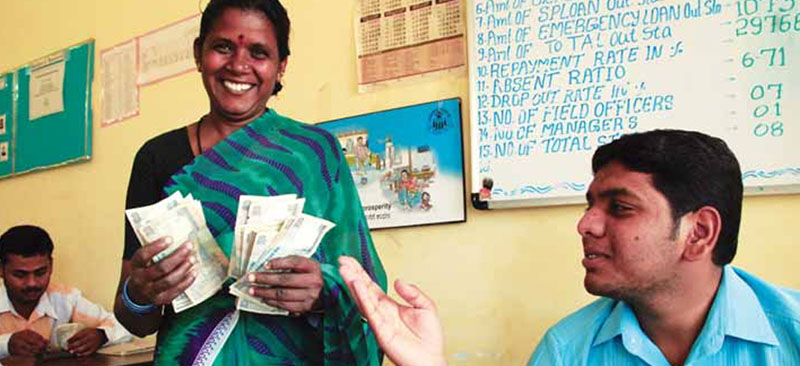
The Risk Management Booklet is the fourth publication under the Optimising Performance and Efficiency Series (OPES). The OPE Series brings together key insights and ideas on specific topics, with clear objective of providing micofinance practitioners with practical and actionable advice.
The Risk Management Booklet is a compendium of MicroSave’s Briefing Notes and India Focus Notes which focus on a wide range of opportunities, issues and challenges.
This brief publication mines MicroSave’s rich experience and blends it with that of leading consultants and practitioners in the field of Risk Management. Risk Management is more important in the field of microfinance due to absence or near absence of traditional risk mitigation mechanisms like collaterals and guarantees.
The monitoring, analysis and management of credit risk under group or individual lending models is core to the effective functioning of an MFI.
The Overlap between Customer Service and Social Performance Management

MicroSave has worked with a variety of banks and MFIs across Africa and Asia to implement customer service programmes that have made significant impact on the organisations’ social performance. MicroSave’s customers focus interventions involve the following activities:
– Understanding client needs to develop tailored products and services
– Studying client drop outs to prevent the same in the future
– Collecting client feedback to design suitable client protection strategies
– Client reach- out strategies for better beneficiary-targeting
– Studying staff motivation for better service to the clients
– Crafting client -delight strategies to offer them services far in excess of their expectations.
– Aligning systems and processes towards the objective of client delight articulated clearly in the Mission statement.
Through SPM diagnostics, MicroSave helps MFIs to prioritise and choose concrete steps to take in the implementation of proposed SPM improvements. It helps in providing expert technical assistance to ensure implementation of the recommended measures.
Integrating Social Performance Management into Governance of MFIs
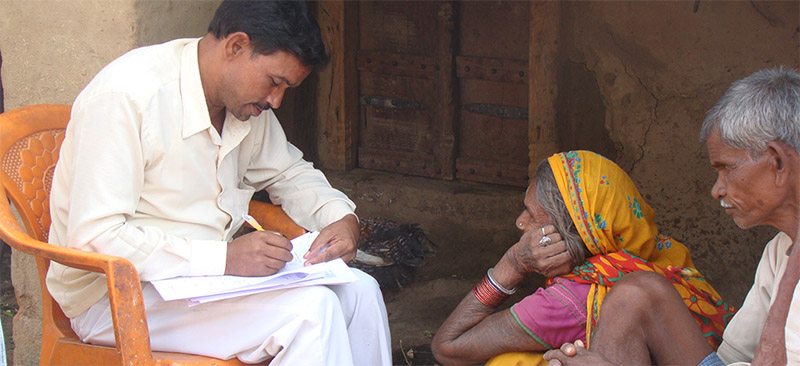
MicroSave has worked with Imp-Act to integrate a social lens into its Governance training. MicroSave SPM diagnostics have increasingly been focussing on the role of governance structures in managing the growing financial and social risks since in view of the global financial crises and the oft repeated criticism of MFIs being primarily commerce-driven ventures. Structural/functional features which skew the balance in favour of commerce have emerged from such studies:
– Board composition of an MFI, particularly of an MFI transforming from a non-profit to a for-profit endeavour may be focused on having experience and expertise in financial rather in social aspects
– MIS not incorporating social performance assessment indicators
– Lack of periodic reviews of ‘achievement of mission’ which clearly states organisational purposes
– Lack of involvement and motivation of staff, including appropriate performance reviews and incentives towards social performance
MicroSave’s SPM recommends stakeholder involvement – especially clients’ or representatives of clients’ in strategic decisions, through periodic client consultative group meetings; informal feedback from field staff or other forums and regular client and employee feedback (grievance systems, market research, client committees and customer satisfaction surveys, etc.). It also recommends effective designing of motivation packages for staff as well as putting in place client protection measures for preventing over-indebtedness, fraud, abusive collections, client privacy along with other aspects.
Integrating Social Performance Management into Strategic Business Planning of MFIs
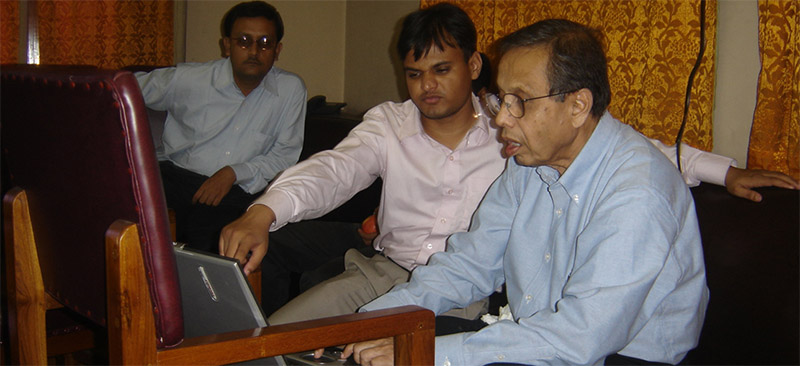
MicroSave has run Strategic Business Planning (SBP) in over 100 MFIs across Asia and Africa including several of the leading NBFCs in India and the top tier MFIs in the Philippines. The SBP enables MFIs to improve synergies between excellence in market-led financial services and social performance.
The approach of MicroSave has been of viewing SBP and social performance management (SPM) as integrated rather than stand alone processes. Hence, while the SBP lays out the goals, key objectives, measures/targets and activities of an organisation (KOGMA), SPM consists of (re)designing key operational policies, processes and systems to reflect an MFI’s social aspirations. Stated synergy is value-adding.
Aforesaid integration involves the following distinct steps:
– Periodic assessment of the mission, values and vision of an organisation in order to evaluate the extent of achievement of the mission and to lay down strategies to prevent possible ‘mission drift’ away from social orientation.
– Competition analysis and institutional analysis to better understand the ‘environment’ and devise policies/strategies for competitive edge.
– Evolving strategies to better serve social ends
– Evaluation of strategies in the context of financial projections and budgets
– Work planning and system analysis with a social perspective
– Creating measures and targets for goal achievement
Implementing and monitoring KOGMA (Key Objectives, Goals, Measures, Activities)/ Goals Analysis, for organisational alignment from top to bottom in terms of the stated parameters, through the process of cascading.