
Blog

Building a Bridge Between MFIs and the Health Sector, Innovative Health Care Financing Scheme for the Low-Income Community

The Health Care Financing (HCF) Project brings together a diverse consortium comprising of AAR Health Services, AAR Credit, K-Rep Bank and K-Rep Development Agency to develop and test an innovative, private sector-driven, commercially viable and replicable health financing scheme to reach low-income groups. Through the project and its consortium, a range of health care financing products have been developed and are being pilot tested. These products will contribute towards quality, accessible and affordable health care financing services for the low-income groups. This is achieved through the establishment of franchised health centres in the low-income areas of Nairobi city that offers both fee-for-service and also provide health care to families covered by the AAR Afya health care financing plans.

During the product development phases and the pilot test period, the project faced several challenges that resulted in its slow growth. Despite these challenges, the results of the Afya products are promising. Overall, the findings from the project provide reassuring indications that the health care product(s) tailored for low-income groups do indeed have a huge market in Kenya.

Grameen II’s Membership

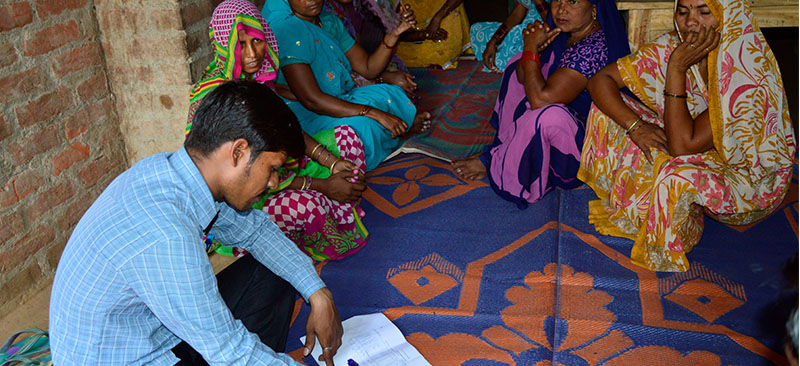
Grameen’s ‘members’ are its clients, who own a share of the bank and gather in small groups to receive its services. The most startling fact about membership since the launch of Grameen II has been its rapid and accelerating growth. This note looks briefly at the reasons for this growth, reviews Grameen’s membership policies, and then offers some observations on the composition of the membership.

What CEOs Need To Know About Software Implementation 

Once the right software system is chosen, it has to be put into place properly. Inadequate planning often leads to project delays and unmet expectations. This note distils some of the lessons (good and bad) gleaned while implementing the selected software solution. Key issues addressed in the note include – planning and project management skills, sponsorship, roll out process, communication and connectivity, hidden costs, scope creep, vendor relationship, training staff etc.

What CEOs Need To Know About Software Selection

MicroSave Action Research Partners meet regularly and during one of these meetings, IT Managers met to discuss issues relating to their information systems. This note presents and discusses following issues that were discussed in the meeting: why institutions upgrade, avoiding introductory problems by institutions, defining institutional needs, planning for growth, managing new software’s and key software selection issues.

Cash, Children or Kind? Developing Security for Low-Income People in Old Age in Africa

The number of people aged over 60 in the developing world is predicted to rise from 375 million in 2000 to 1,500 million in 2050. This note outlines the economic and social challenges which come with old age. It documents some of the common traditional practices adopted as a security measure against these challenges. It outlines the general saving methods, focuses on educating people on why and how to save. Further it discusses the potential market for long-term contractual savings services which provides security in old age.

Entering new markets with new products – Costs and benefits of following new product development process – based on a case study of MDF-Kamurj (Armenia)

The case presents a successful implementation of product and market diversification. The case draws from the experience of MDF-Kamurj – an Armenian microfinance institution which developed and launched a new credit product directed to rural microentrepreneurs involved in agriculture and livestock breeding. The case seeks to present how the process of market research and pilot testing helps in mitigating risks related to entering new areas with a new product (a product not meeting clients’ needs, inefficient procedures, resistance among staff towards innovation). Simultaneously it discusses the requirements of conducting market research and pilot testing (including financial and non-financial costs as well as the golden rules of the process).