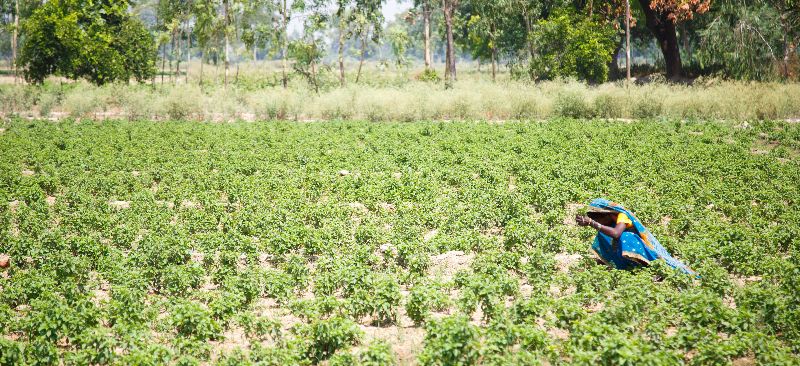
Who Says You Can’t Do Micro Savings in India? Part 1: Community-Based/Owned

Financial institutions in India were so far more focussed on providing group based microcredit. But the need of the poor for quality market-led financial products does not end here. Poor need a range of financial products and not just microcredit. Considering this fact financial inclusion has become a part of the mandate of Indian government system. This makes micro savings an often-discussed topic now-a-days among financial institutions and development practitioners.

It is a common misconception that micro savings is not possible in India because of the strict regulatory rules. There are several ways in which saving options are available in India. These can be categorised into two major categories.

The less regulated informal sector that comprises of SHG’s, cooperatives and chit funds, etc., and
The regulated formal sector and this includes banks, regional rural banks, postal services, etc.

Informal sector presents some challenges and have their own strengths. This note attempts to provide a brief profile, of some of the micro savings options provided by informal and community-based/owned methods.
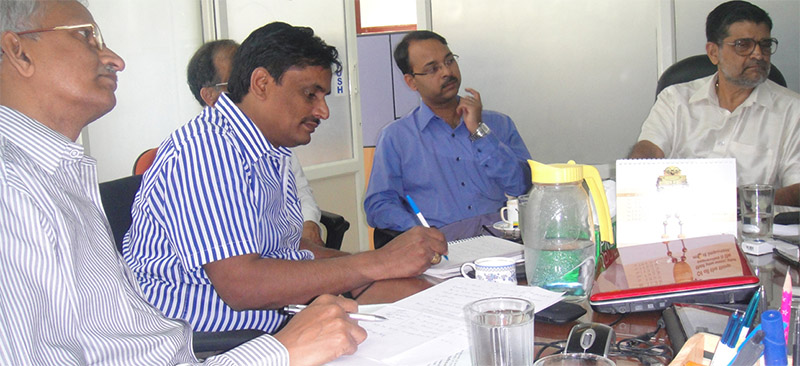

Micro and Small Enterprises Lending for MFIs -Strategic Issues to Consider First

For a successful product offering detailed market research and professionally managed product development process are the important pre requisites. Individual lending (IL) to the poor is no exception and for a successful IL product the institutions first need to know their client needs.
Strategic issues that need to be on the top priority of the higher management of an MFI venturing into the business of individual lending include:
– Institutional mission
– Industry and competitive environment
– IL client segmentation
– Institution’s capacity to deliver the product
This note attempts to highlight the importance of these strategic issues in detail.

Portfolios of the Poor: Expert Review 1

In this video William Easterly Professor of Economics at New York University explains how the book ‘Portfolios of the Poor’ has given a more realistic human view at the life of poor people and how it changes the perspective on the “consumption smoothing” concept.