
This multi-region study focuses specifically on the services business correspondents provide in rural areas – and whether or not this particular customer segment thinks the greater convenience and other potential benefits are worth paying for.
Blog
Exploring dormancy in no frills savings accounts in Rajasthan

This MicroSave research aims to understand the reasons for widespread dormancy in No Frills Accounts opened through various service providers like public and private sector banks, RRBs and business correspondents.
Cost and willingness to pay in Uttar Pradesh

This multi-region study focuses specifically on the services business correspondents provide in rural areas – and whether or not this particular customer segment thinks the greater convenience and other potential benefits are worth paying for.
Cost and willingness to pay in Tamil Nadu

This multi-region study focuses specifically on the services business correspondents provide in rural areas – and whether or not this particular customer segment thinks the greater convenience and other potential benefits are worth paying for.
Exploring reasons for dormancy in no frills savings accounts in Tamil Nadu

This research aims to understand the reasons for widespread dormancy in No Frills Accounts opened through various service providers like public and private sector banks, RRBs and business correspondents.
Relevance of Customer Service Post the Andhra Crisis
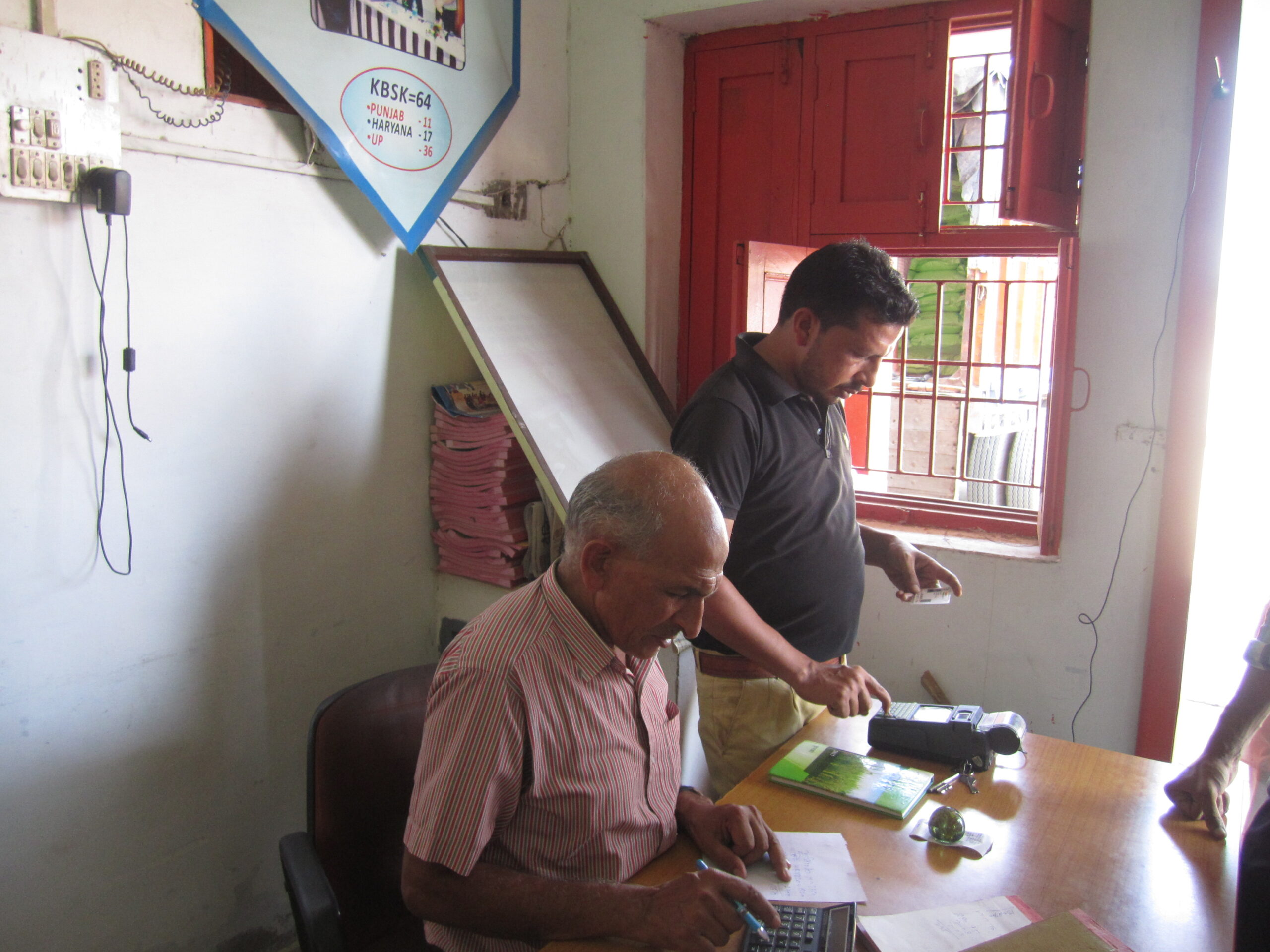
Post the Andhra crisis, the question confronting Indian MFIs is not just to manage their way through the present crisis but also on how to survive and thrive in the long term.
Following questions confront Indian MFIs:
How to maintain the required yield on portfolio given the interest rate cap and other restrictions?
How to ensure that current portfolios remain intact?
How to ensure that multiple borrowing does not affect portfolio quality?
This note highlights the role and importance of customer service as an answer to these questions. Moreover, this note gives practical examples on how to listen to clients and more importantly how to integrate and institutionalise the best practices on customer service.