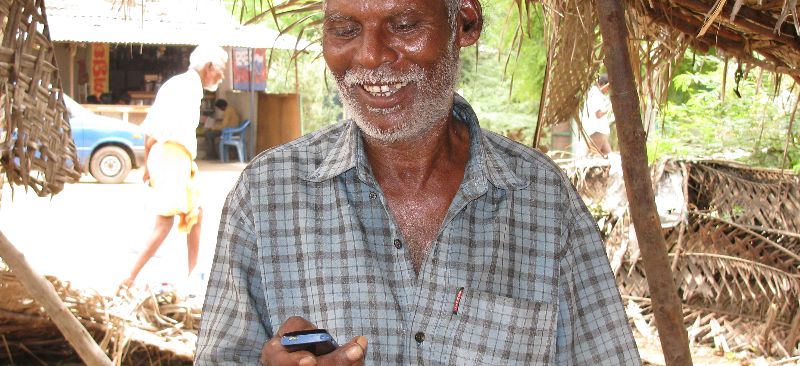
In the long-term, as multiple products are offered across the mobile money platforms, this will revolutionise financial inclusion, and the poor will have access to savings, remittances, payments, insurance, individual cashflow-based loans and air time top-up, plus a host of other services through agents based with a few yards of their houses. It is the deepening of this relationship that will allow the banks to better manage credit risk, and thus begin to make small advances to customers on the basis of their savings/insurance histories. The stage in India is set for very significant change …
Blog
Mobile Banking: Focus on Savings
In this video Bob Christen, Director, Bill & Melinda Gates Foundation talks about the strategy of the Foundation in mobilising savings account for people who live on less than 2 dollars a day. Bob explains the various agent models that could support savings services. He says the successful mobilisation of small-scale savings requires dramatic reductions of transaction costs where mobile banking and electronic payment platforms play a central role. Talking about the opportunities ahead, Bob says many countries are thinking how banks can utilise retail networks to provide financial services and mobile phones is the way ahead.
Mobile Banking: Why are We Evolving to Mobile Money Marketing?
In this video, Evelyn Stark, Senior Program Officer, Bill & Melinda Gates Foundation, talks about the importance of marketing in successful mobile-money deployments. Evelyn discusses the features of marketing of mobile money to consumers which includes awareness of services, agents, documents required etc
The Andhra Pradesh Crisis: Clients’ Perspective
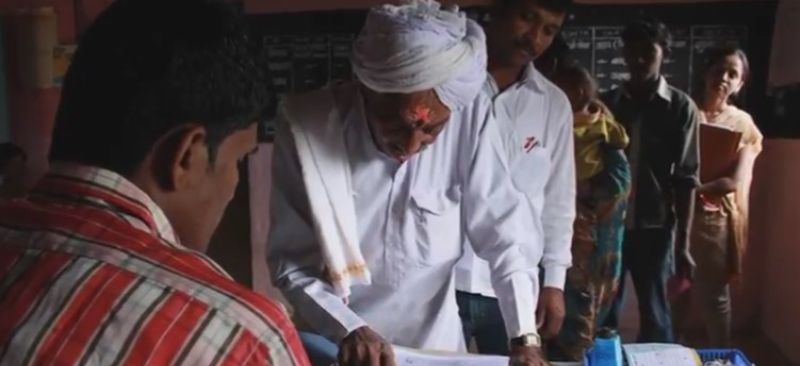
This Note focuses exclusively on clients’ perspectives, before and after the crisis, gathered by the MicroSave team at various points of time, in a wide variety of locations, across Andhra Pradesh after the crisis broke in October 2010. The credit discipline, which was carefully nurtured by MFIs has been almost completely eroded. The implications for the credit risk associated with lending to the poor in India, whether through joint liability groups or through SHGs, are enormous.
Relative risk to the savings of the poor in Uttar Pradesh
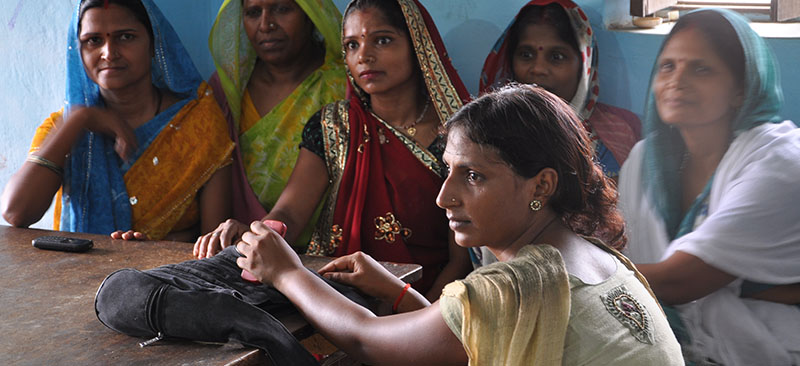
In order to understand how poor people save and the relative risks involved, MicroSave conducted a study in three different Indian states – Rajasthan, Uttar Pradesh, and Tamil Nadu this past year. This report focuses on Uttar Pradesh.
The Andhra Crisis:The Beginning Of An End Or End Of A Beginning?
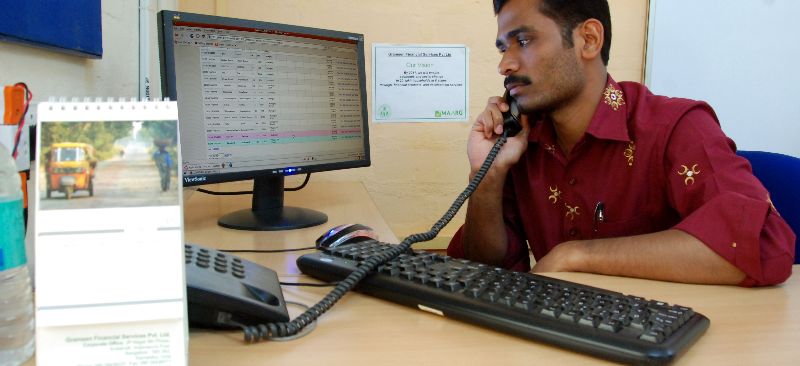
This presentation discusses the causes of Andhra Pradesh crisis, how it all started and the possible after-effects. It also examines how the Indian MFIs and the government should respond post this crisis. The presentation concludes with reactions from the clients.