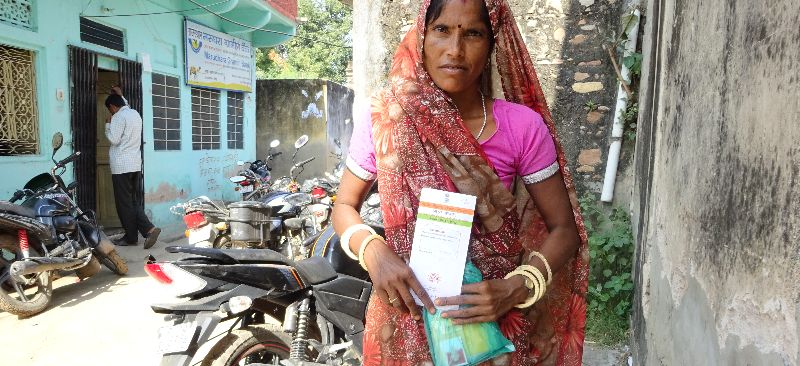
Financial inclusion efforts in the last six years have yielded disappointingly little. The BC model, despite its promise as a vital tool for financial inclusion and for G2P payments, has several drawbacks and its proposition for the unbanked poor is far from compelling. These deficiencies are now well understood and amongst other progressive steps undertaken, the Aadhaar platform from the UIDAI is increasingly recognised as a way of overcoming many of the barriers. This Note examines how UIDAI and Aadhaar platforms offer a solution to the many challenges that have undermined the BC model. It also brings out the lessons learned from select pilot programmes in a few districts that have received considerable attention (from media and others) for their innovative and outcome oriented approaches leveraging Aadhaar. Also outlined are challenges that would need to be surmounted, despite the potential and promise behind UIDAI platforms.
Regulations, challenges and next steps in M-Banking in India
One of the chronic issues with most of the mobile banking implementations has been to create a compelling business case for the agents/ retailers. This is possible only when the agents have significant volume of transactions and offer a suite of products through their outlet. Piyush Gupta, Vice President — Business Development at Eko discusses the parameters basis which such a product suite could be put together.
Making a business case for agents/retails in India
One of the chronic issues with most of the mobile banking implementations has been to create a compelling business case for the agents/ retailers. This is possible only when the agents have significant volume of transactions and offer a suite of products through their outlet. Piyush Gupta, Vice President — Business Development at Eko discusses the parameters basis which such a product suite could be put together. He talks about the recent initiatives taken up by Eko through institutional partnerships with government departments and microfinance institutions, and his take on offering non-financial services such as health through m-banking agents.
Making the Business Correspondent (BC) model work for Self-Help Groups (SHGs)
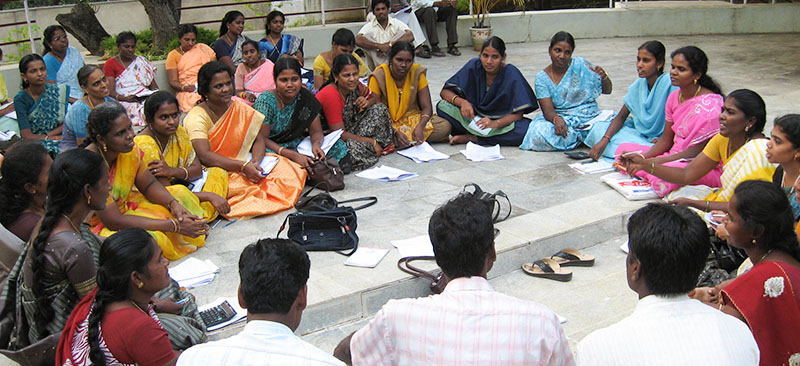
This case study highlights the SHG-BC model, how the model can be further improved, and factors that contributed to the success of the model.
Vodafone in India and its strategy to offer value proposition to all stakeholders
“Krishna Kumar, GM-Marketing at Vodafone Essar talks about the unique advantages that an MNO has and how they seek to leverage them to repeat their African success in India. These are their wide distribution network, telecom network and strong brand.
Implementing a Bank Supervised Agent Network
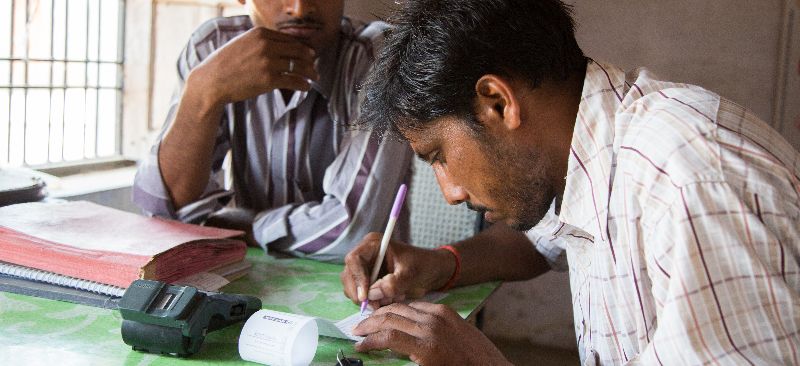
In the India Focus Note 102 we highlighted some of the challenges associated with pursuing a “bank managed/supervised” approach to agent networks in the business correspondent model. In this Note, we explore how banks can potentially address some of these challenges. This is discussed by looking at different aspects of the way a bank must manage its agent network and is completed with a case study of State Bank of India which has excelled in developing its bank-managed agent network. The Note looks at: Operational integration of the agent network with bank branches Equipping branch staff to understand and play their role in agent network management Integration of technology platforms Setting up agent support systems: structure, staffing, liquidity management and technology.