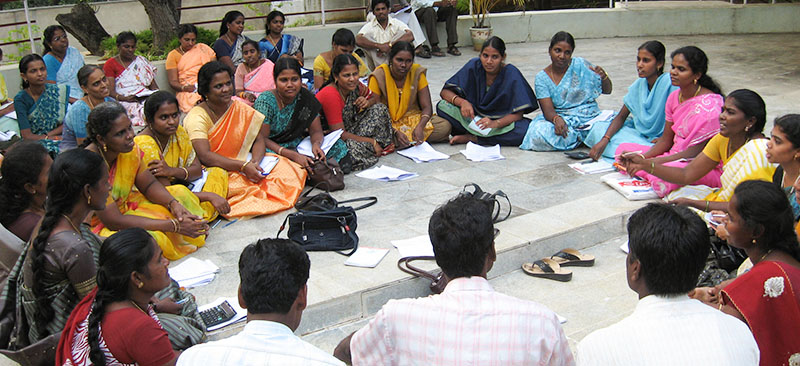
MicroSave conducted this study to assess the reasons for women not joining or dropping out from SHGs in Andhra Pradesh, and to provide recommendations to financial service providers to address the issues and concerns of clients by devising appropriate solutions.
Blog
Poverty Measurement: Challenges and Benefits
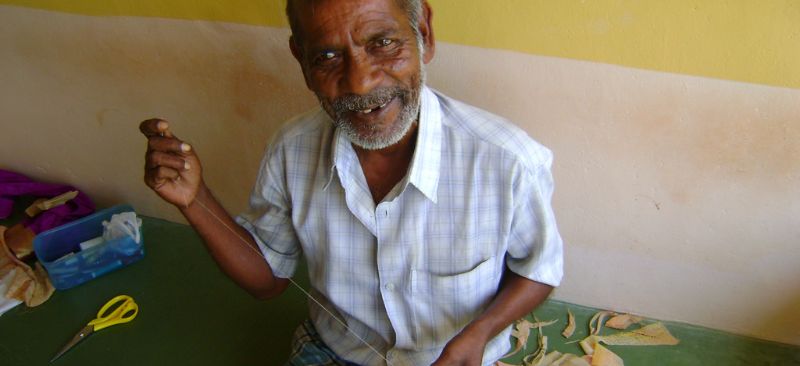
Poverty is multifaceted and highly complex. This Note highlights the practical challenges in the use of poverty measurement tools, as well as the benefits of their use for MFIs. If meaningful interventions are to be made to improve the lives of poor clients, it is essential that we collect relevant information. The poverty measurement tools available may not be perfect, but they provide a fairly good understanding of the client base. While quantitative poverty tools may be useful when used correctly, MicroSave believes qualitative research techniques such as focus group discussions and participatory rapid appraisal tools are essential to capture deeper insights for better understanding of clients.
Responsible Finance: Concepts and Challenges

Responsible finance (RF) is simply offering financial services in an accountable, transparent and ethical manner. By definition, responsible finance must focus on financial service providers, (their practices, what they do or do not do) and on clients, (mainly aimed at improving their capacities to access and use high quality financial services). Responsible finance is clearly essential for the longer-term success of any financial service business serving the poor. This Note highlights the relationship between responsible finance, social performance management and client protection and discusses the opportunities and challenges for MFIs trying to deliver services to the poor in a responsible manner.
Clients on Client Protection
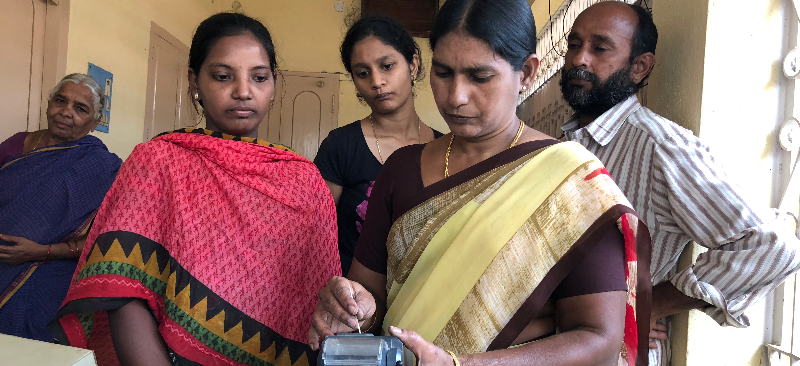
MicroSave conducted Client Research on Client Protection in three countries – India, Bangladesh and the Philippines – during February 2012 to April 2012 with 357 clients. For the purpose of research, MicroSave developed a qualitative market research tool – ServQual – to gain clients insights on CPPs. This report presents (a) the evolution of the research tool, (b) results from the research including clients’ perspective on relative importance of each of the CPPs and performance of the organisations in implementation of CPPs, and (c) suggestions on the way forward.
What Makes ServQual a Distinctive Tool for Client Protection?
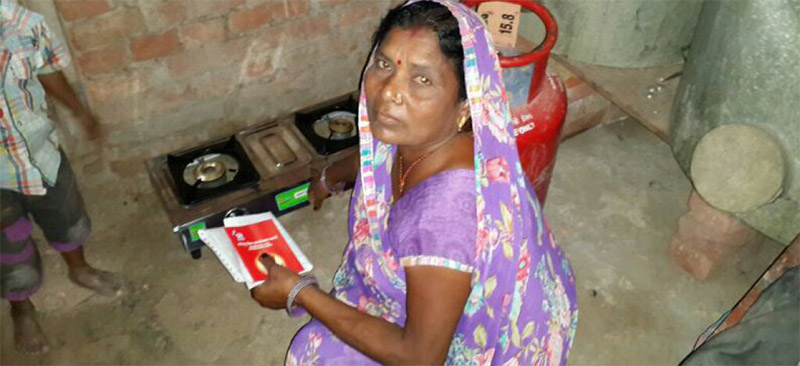
This Note discusses the MicroSave CPP ServQual tool further and highlights what makes it a distinctive tool for unveiling clients’ insights on the client protection. When the tool is used correctly, it can be an effective way to bring clients’ voices on client protection to the fore. Bringing out clients’ voices using qualitative research, while quantifying the results, can provide excellent insights for service providers, support organisations, the Smart Campaign and policy makers for decision making.
Developing a Tool to Assess Client Protection
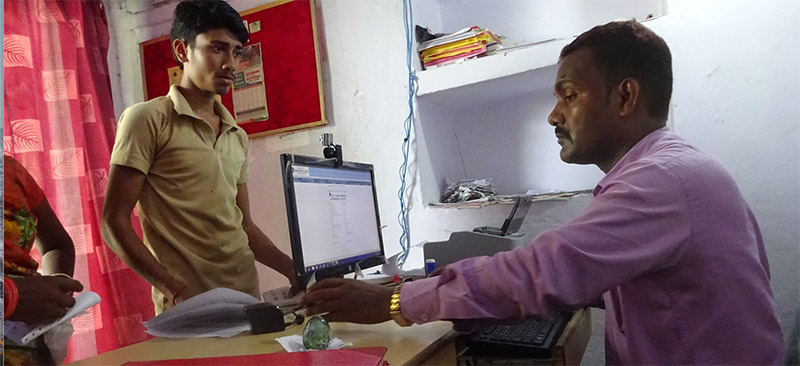
The Smart Campaign’s Client Protection Principles aim to protect the interest of the clients in a largely unregulated MFI industry. MicroSave’s ServQual CPP tool was developed to incorporate clients’ perspective on the relative importance of each CPP. This Note highlights the steps required to implement the ServQual tool, the rigorous process taken to develop and test the tool and the potential of the tool to assist financial service providers optimise their client protection and customer satisfaction.