Blog

The Business Case for Branchless Banking: What’s Missing?

We are in the process of reinventing how these people send and receive money in remote locations, how they pay bills and loans. How they save and insure against emergencies, and for increasing numbers, how they enjoy greater freedom and control over their financial future.

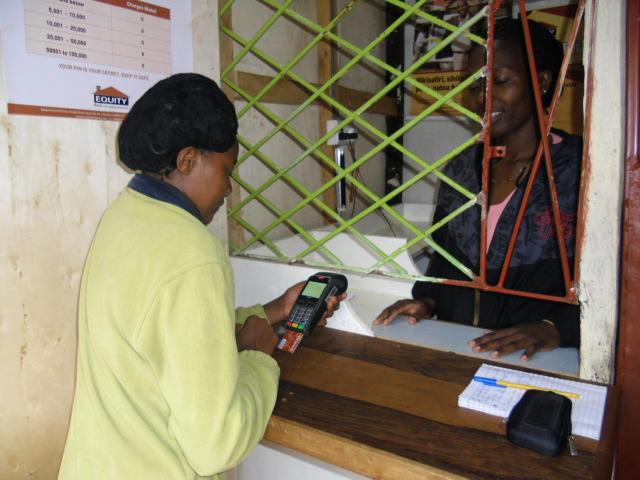
The dilemma is how to make all these new ways of banking—by mobile phone, via card readers and enhanced ATMs, and with third-party agents who act on behalf of branch staff—either profitable or at least sustainable. Every other industry has had to revise how they make money in new markets with new technology. Banking may finally be forced to as well. There may be no traditional “business case” for financial inclusion. The scope and needs of these customers are too different. This reality may ultimately persuade banks to share risks, and rewards, with MNOs and—watch this space—the post office, global consumer brands, and technology service providers. Each brings new value and possible solutions that banks alone cannot solve.

BancoSol: How to Become a Leader in Deposit Mobilization Part 4

In this video series-4, Kurt Koenigsfest, CEO of BancoSol, Bolivia, talks about the challenges they faced in the beginning. He mentions liquidity was a major issue. So, to promote savings the bank chose a mix of staff from both savings and lending background. He further describes the four key success factors that are critically important for any MFI that wants to engage in savings mobilisation. He talks about BancoSol’s experience with introducing a savings-based organisational culture and how appropriate incentives are helping staff to focus on savings.

Failures in Microfinance Lessons Learned 2

“In this video series-2 Alex Silva, a microfinance pioneer, explain in detail the major reasons for the failure of microfinance institutions – an important topic that – so far- has not been talked about. Without doubt, practitioners from around the world stand to benefit from this seminal study of Latin American MFIs. Explaining these failings, Alex talks about the methodological flaws in the credit technology. He says many times microfinance entrants particularly bank mistakenly assume microfinance market is similar to the other areas they are operating.

Failures in Microfinance Lessons Learned 3

In this video series-3, Alex Silva, a microfinance pioneer, summarises the details of the study of MFI failures, gives important recommendations for MFI sponsors, managers, and funders, such as: recognise microfinance as financial intermediation, focus on risk management systems, and create good corporate governance. Detailing on the specific conclusions of the study, Alex recommends donors or funders should not over supply the funds for rapid growth of MFIs. Similarly, he focuses on microfinance institutions must be very careful on dealing with risk including operational risk, systematic risk etc. Further, he emphasises good regulatory and governance body for microfinance.

BancoSol: Latin America’s First Commercial Microfinance Bank Part 3

In this video, CEO Kurt Koenigsfest talks about the unique positioning of BancoSol, Latin America’s and the world’s first bank fully dedicated to microfinance, how it evolved and become a role model for the industry. He outlines the challenges of transformation and how BancoSol became a leader in deposit mobilisation. Kurt further highlights the role of management in putting a relentless focus on the design of new and adequate products for BancoSol’s customers.

Failures in Microfinance Lessons Learned Part 1

In this video series-1Alex Silva, a microfinance pioneer focuses on the need to study the failures of microfinance institutions so the new generation practitioners can avoid those pitfalls and learn from the past mistakes. Studying the 10 unsuccessful MFIs in the past 10 years in Latin America, Alex outlines six major reasons for the downfall of MFIs, namely, because organisations abandoned their methodology, systematic frauds within the organisation, organisations grew too fast, inability to adapt to new atmosphere, government’s intervention and lack of focus.