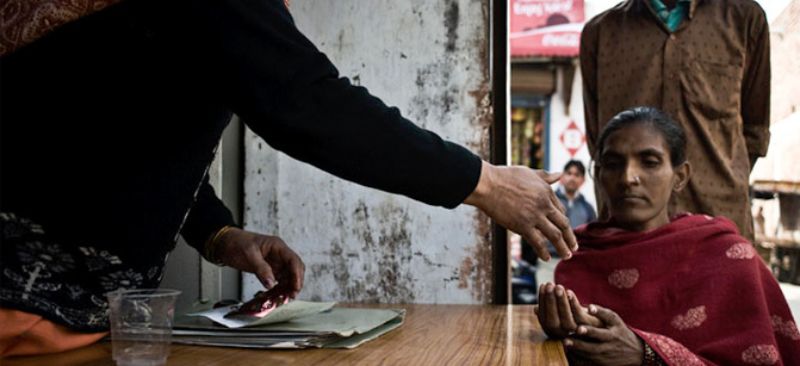
This is a joint report focussing the impact of microfinance among the clients before and after the Andhra Pradesh crisis arising from the Andhra Pradesh Microfinance Institutions (Regulation of Money lending) Act, 2010. The report highlights the similar findings from quantitative study conducted by the Centre for Microfinance (CMF) at IFMR Research and qualitative study conducted by MicroSave. This paper features findings related to multiple borrowing, household indebtedness, loan purpose and client perspectives on availability of financing. Both studies validate the fact that the members of the community face issues raising credit in the absence of MFIs. Members of the community have reduced their spending on important aspects such as health, education and business because of non availability of adequate credit from alternative sources. Moneylenders are having a field day with the absence of MFIs. Members of the community are falling back to moneylenders who charge usurious rates of interest to meet their credit needs. The study also highlights the failure of MFIs when designing market led products and processes. MFIs, in the process of rapid scale up and single minded pursuit of exponential growth targets, ignored the needs of the clients. The study clearly shows the discomfort of the clients with inflexible repayments, interest rates and behaviour of the staff especially when it comes to repayment.
Public Relations Policy in MFIs – A “Nice To Have” or Necessity?
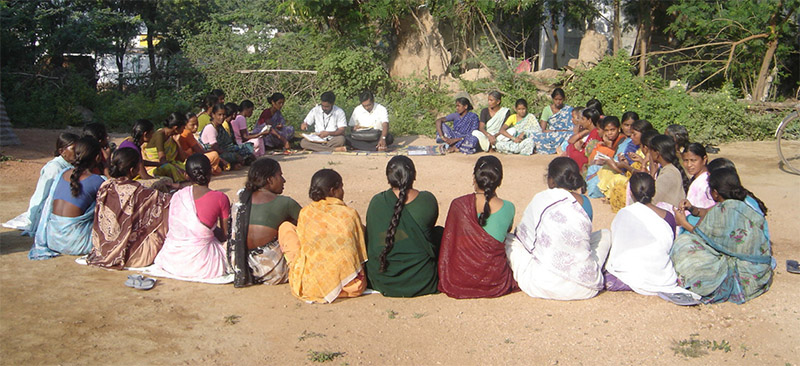
This Note highlights the increasing importance of public relations (PR) policies, and need for a structured approach to handle PR for a microfinance institution (MFI). The PR function has come a long way from being an external media communicator, to one that now plays the role of a “catalyst of change” – change in belief, perception of organisation’s internal and external public. As the financial services market for the low income segment grows, and matures, public relations will necessarily have greater influence over organisations’ strategic decisions. The key is appropriate, transparent communication measures, and effective relationship management, which will involve concerted efforts from all stakeholders. A well executed PR policy can play a game changing catalytic role in creating loyal customers, quality portfolio, and a strong market reputation.
Customer Service Through Call Centres
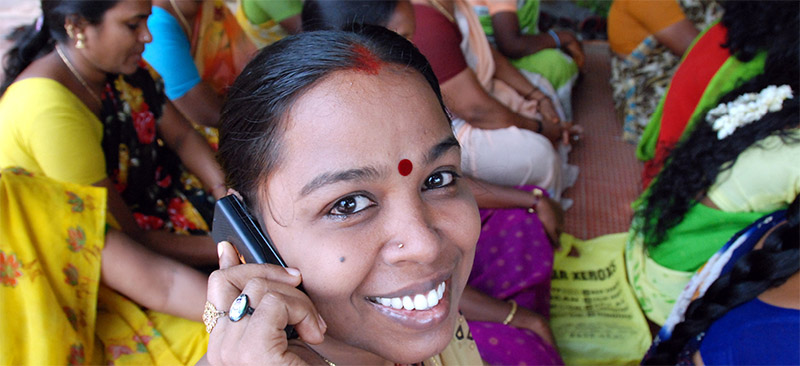
This Note details the role played by call centres in reaching out to customers targeted through FI initiatives, and the considerations and challenges which go into setting up and managing these call centres. As FI initiatives mature and competition increases, call centres to support customer service will become key differentiators. Indeed, it is not unreasonable to argue that a quality call centre is essential to build trust in emerging e/m-banking systems.
Customer Support for E/M-Banking Users
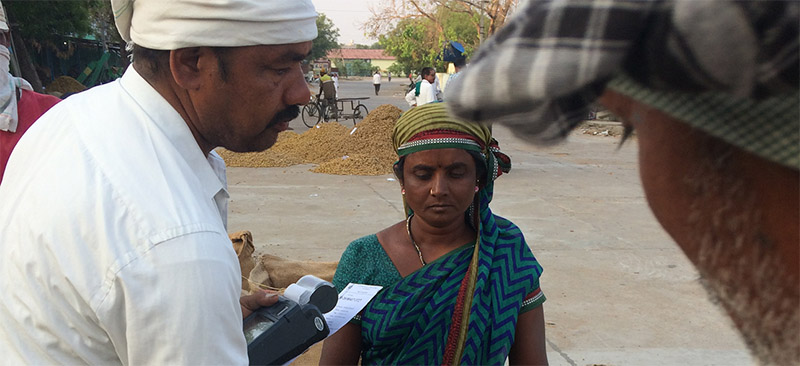
Customer delight is no longer a ‘nice-to-have’ strategy, but increasingly recognised as integral to any sound business-model. While customer service and support is important for any product, it is vital for financial services that deal with people’s money. It is even more significant in the context of the illiterate/semi-literate poor, having their very first experience with financial services delivered through non-traditional channels, outside bank branches through retailers or business correspondent agents. This Note examines various dimensions around enhancing customer experience. E/M-banking systems depend on above all on clients’ trust. Customer service is key to building and maintaining that trust.
E/M-Banking in India: State of the Agent Network
MicroSave and College of Agricultural Banking (CAB), RBI recently organised a conference in Pune on the subject – ‘Business Correspondent Model for Financial Inclusion – Lessons Learned and Mapping the Future’. The aim was to focus on the changes in financial landscapes of the country and its issues and challenges faced; and stimulate discussion and exchange of perspectives amongst the banks, BC networks, mobile network operators, and technology service providers, researchers, MFIs and other stakeholders.
Why Do People Not Join or Drop Out of SHGs?
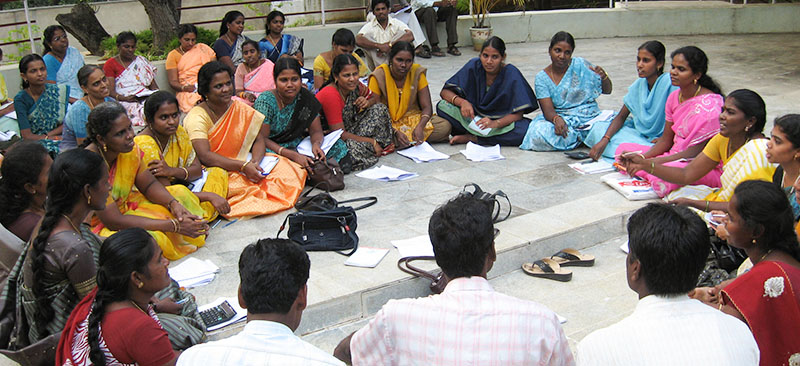
MicroSave conducted this study to assess the reasons for women not joining or dropping out from SHGs in Andhra Pradesh, and to provide recommendations to financial service providers to address the issues and concerns of clients by devising appropriate solutions.