In this video Aleeda Fazal, Head of Mobile Commerce, Sicap, shares the inner workings of an agent network and talks about the different strategies that has been used to create world’s successful agent networks. She explains the challenges agents face in delivering the mobile banking services and what measures can be taken to improvise the agent network for effective delivery of the services. Going forwards she discusses the opportunities available for ATM deployment and mobile money in development markets.
Are Banks and Microfinance Institutions Natural Partners in Financial Inclusion?

This report presents the case of MFIs as one potentially viable channel with which banks can collaborate to reach the base of the pyramid market more economically. It also details the top strategic and operational choices that MFIs need to make before they function as a BC as well as the way forward.
What Are Clients Doing Post The AP MFI Crisis?
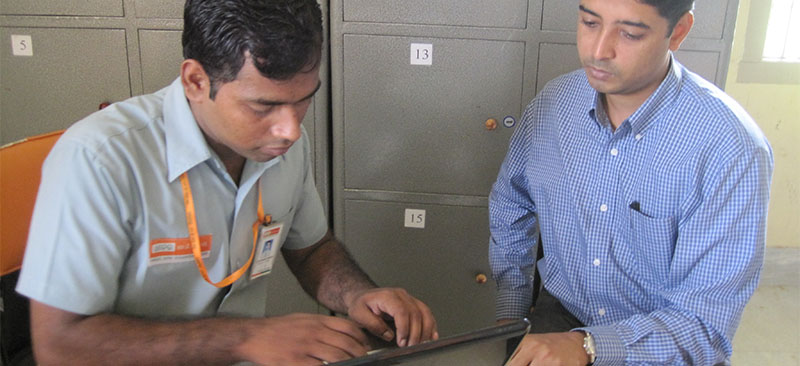
MicroSave conducted this study to examine the impact of the Andhra Pradesh crisis on borrowers, by collating client experiences, opinions and needs so as to help policy makers and key actors to devise solutions suited to client requirements. The study found that most clients have been forced to return to, or further expand their dependence on, moneylenders. The SHG-based system is too cumbersome and lends too little to sustain the businesses and other financial requirements of households used to accessing rapid and relatively large amounts of credit from MFIs in Andhra Pradesh.
In 59% sessions, respondents said that they have taken loans from moneylenders in the absence of loans from MFIs. The next most used source of credit for the respondents was the SHGs (37%) and “daily finance corporations” – another form of money lenders – (29%).
24% of respondents who had plans for business expansion have postponed them as access to credit had become difficult. Many (32%) respondents said that they had reduced the scale of their business because of lack of access to alternate sources of credit. In 12% of the sessions respondents said that they sold their assets such as house, vehicle, cattle, jewellery etc., to meet their productive (agriculture related expenses) as well as essential non-productive expenditure (school fees, marriage etc.).
The Answer is “Yes”—Cost and Willingness to Pay in India
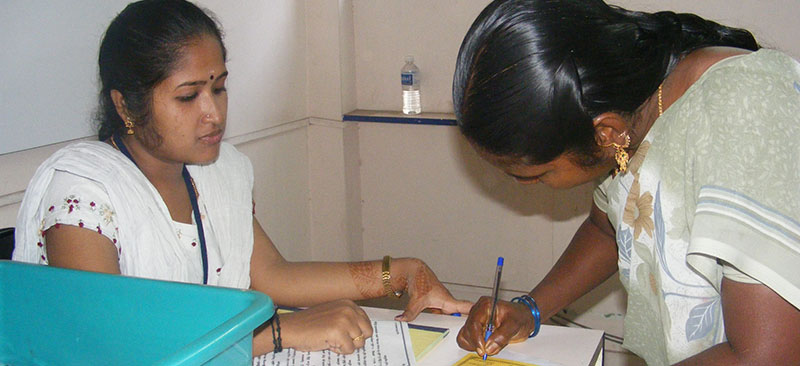
Estimates for the number of Indians without bank accounts vary from 400 million to approximately 600 million if one factors in 8.6% population growth in 2010-2011, dormant accounts, and the greater focus on the unbanked rural poor, rather than urban migrants and other indigent city-dwellers.
Public-sector and retail banks in India now have both a greater obligation and more opportunities, welcome or unwelcome, to enable poor people manage their money better. One solution is to charge small fees, particularly for “doorstep” or local services in areas without easy access to branches. RBI has sanctioned “reasonable service charges” since 2009 to help defray the banks’ costs of maintaining low-deposit accounts and to encourage business correspondents.
Until recently, the business case for Indian banks using business correspondents (BCs) to extend financial inclusion in rural areas has been an open question. MicroSave sought to resolve this question last year in a study in Rajasthan, Tamil Nadu and Uttar Pradesh. The needs of the customer, arguably the most important component in any business proposition, seem clear. More than two-thirds of the 748 respondents interviewed in 163 sessions claim they are indeed willing to pay for more convenient banking services closer to home and work.
Microinsurance in Uganda: Tectonic Shift in the Near Future?
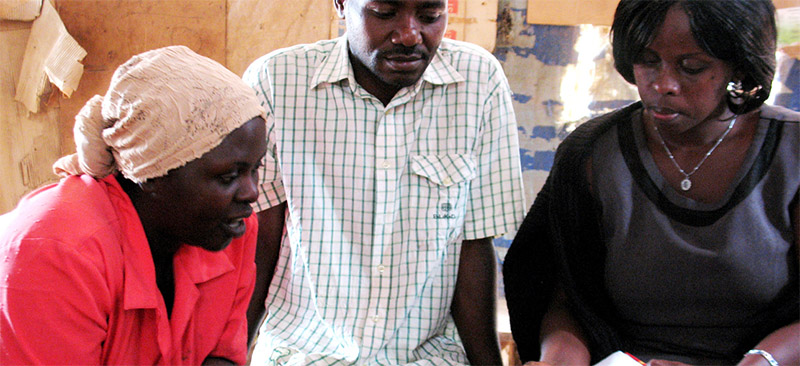
This Note analyses the possible impact of these regulatory and political changes on the microinsurance sector, and predicts the state of the sector in Uganda in near future. Our predictions are based on the assumption that the IRA will be a strong regulator and national policies will be sincerely and effectively implemented. Though it is still a speculative to pre-empt the market, we believe that conventional insurers, as well as microfinance players will soon be able to realise the strategic potential of microinsurance in their portfolio.
Micropensions: The Scope and Progress to Date
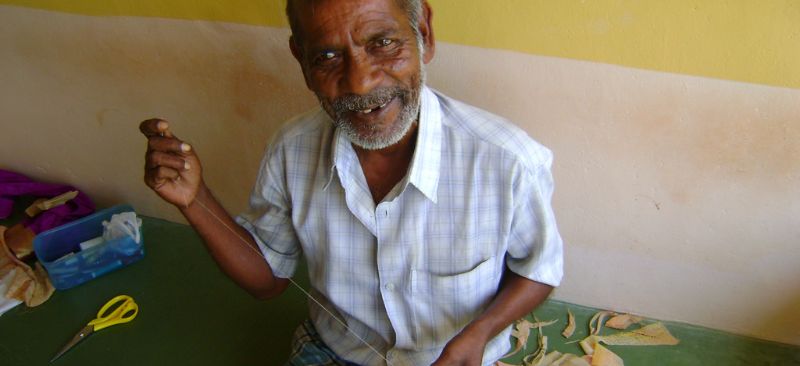
This Note assesses if there is an adequate business case for micropensions in India. It also identifies the uniqueness in the existing micropension models in India. Delivering a long term savings instrument like pensions to the low income segment is a huge distributional as well as behavioural challenge. The success of any micropension scheme will ultimately depend upon: 1) The level of trust a distributor enjoys from its clients, which is essential for a long term association; 2) The outreach of the distributor, to bring scale; 3) Efficiency, to handle operations in a timely manner, and 4)The revenue model of the scheme, which will decide whether the commission is sufficient to motivate the distributor to mobilise resources.