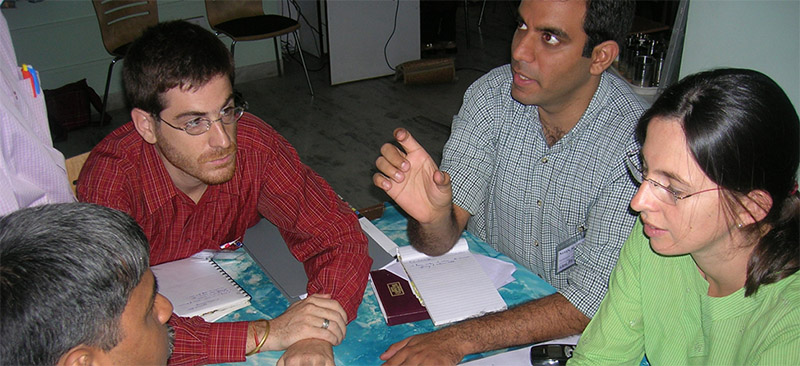
Process Maps are visual representations of a process, that use symbols, arrows, and concise wording to show inputs, outputs, tasks performed, and task sequence. The note discusses in detail about constructing process maps for risk analysis and process improvements in ten steps. These steps are— identifying and prioritising operational gaps, choosing processes to be mapped, assembling an appropriate team, defining processes and objectives of mapping, data collection, construction and validation of maps, analysis on risks and process improvements, should be and could be maps, distribution of findings and implementation. The symbols, process description, risks at each step, and risk mitigation tactics (controls) are four tiers through which the risks are analysed and suggestions are developed therein. The note also talks about various considerations in institutionalising process mapping, which are management thoughts, level of participation, time consuming and type of people engaged.
Virtual conference on electronic banking for the poor

In February 2004, MicroSave hosted a Virtual Conference on Electronic Banking for the Poor. This paper summarises the discussion which brought together 500 participants and generated 400 postings. Discussion topics were varied and included, technology, business case, pricing, distribution, and customer value.
Customer Service – Why It Is Important for MFIs
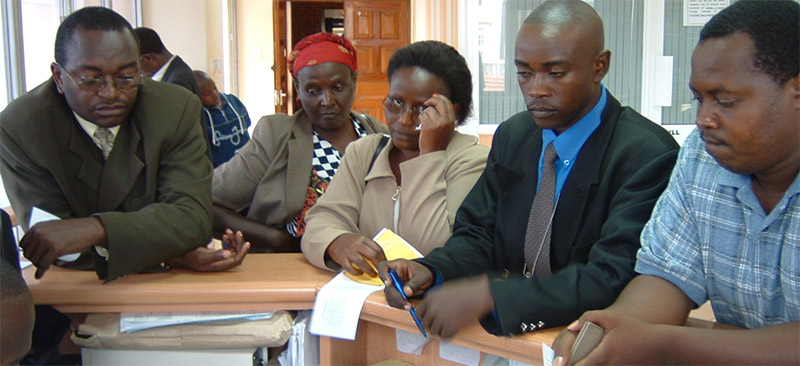
The note analyses the reasons for excellent customer services as a prime mandate for a market led MFI, which include retaining customers, building through word-of-mouth business, competitive advantages, and working efficiently. It also identifies certain variables responsible for customer service. These are organisation culture, product/service range, customer knowledge, delivery systems, service delivery environment, technology, and employees’ role in service delivery. The note also briefs about MicroSave’s process and tools for customer service.
Passing the buck in East Africa – Money transfers systems: The practice and potential for services in Kenya, Tanzania, and Uganda

This paper is a synthesis of a series of findings of MicroSave’s market research studies on how low-income individuals and small or micro-entrepreneurs transfer money and make payments in Kenya, Tanzania, and Uganda, the three countries comprising the East African Community (EAC). It analyses the reasons for sending money and the regulated services and other ways available to transfer money on the basis of interviews with microfinance clients as users and banks and other service providers in all three countries. Combining their perspectives with complementary research, the paper identifies gaps and weaknesses in the existing money transfer services. These gaps offer a market opportunity for new or different services, including the potential for services by microfinance institutions (MFIs)
Corporate Brand and Identity – Why They Are Important for MFIs
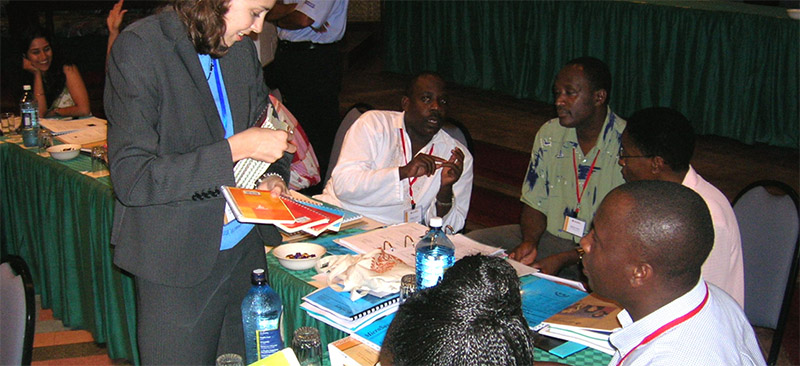
Branding decides the position, reputation or image of an organisation in the market whether they want one or not. This briefing note focuses on significance of corporate branding and lessons learned therein. It states that brand development should start with the MFI identifying its competitive advantage, or the advantage that it wishes to promote given its target market’s needs and expectations. It also discusses positioning statements and corporate identity for an MFI wishing to adopt/or has adopted the market led approach and role of corporate communications and public relations.
Adapting Market Research Tools to Diverse Environments – Lessons from Europe
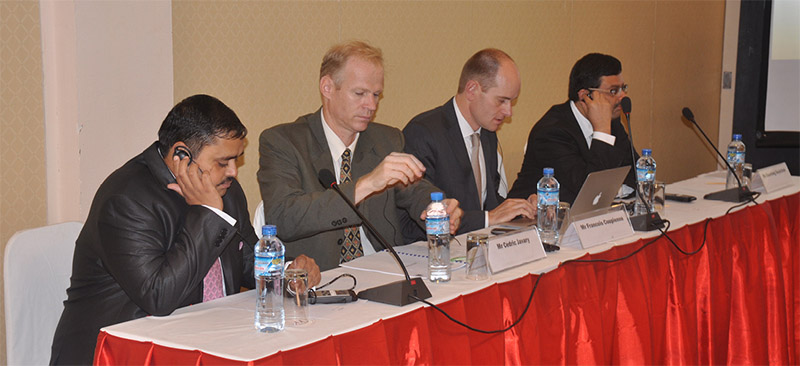
This note documents the lessons of several member organisations of MFC and selected microfinance institutions (MFIs) in Turkey, the Balkans, and the Caucasus that have applied the MicroSave toolkit, along with other tools, successfully. The note suggests prioritising the problems and opportunities before conducting any research and thinking creatively according to cultural sensitivities while adapting tools. It also suggests the MFIs to use a mix of techniques in doing a research while building the capacities of the existing staff in order to avoid biases. The note recommends for a careful selection of appropriate tools, open towards changes or modifications as per the need and its pre-testing before its implementation.